Naveen Garg
Stories (243)
Filter by community
How does trauma affect the brain and behavior?
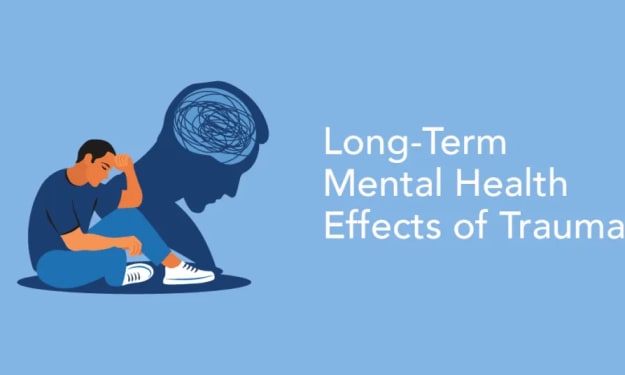
Trauma is not just an emotion or a psychological experience—it's a highly physiological one. When an individual experiences a traumatic event, the effect reverberates far in excess of the event itself, and the consequences have a tendency to leave permanent imprints on the brain, nervous system, and behavior. Regardless of whether it's a single traumatic event such as a car accident or repeated trauma such as abuse or neglect, the impact can be dramatic and enduring. Understanding how trauma alters the brain and behavior gives us permission to heal with compassion, patience, and science-informed care.
By Naveen Garg5 months ago in Education
How does trauma impact mental health, and what are the roads to recovery?
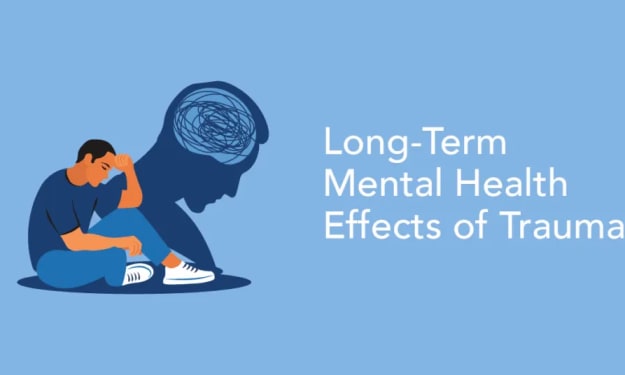
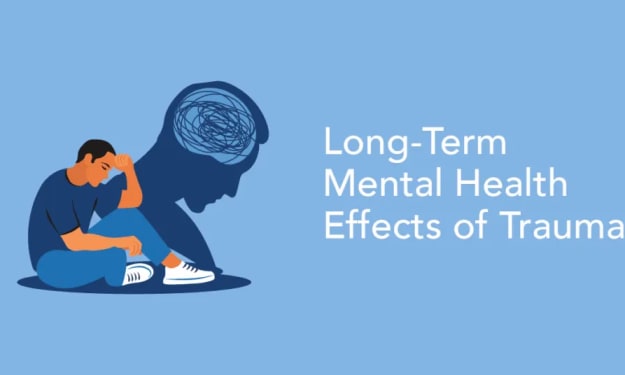
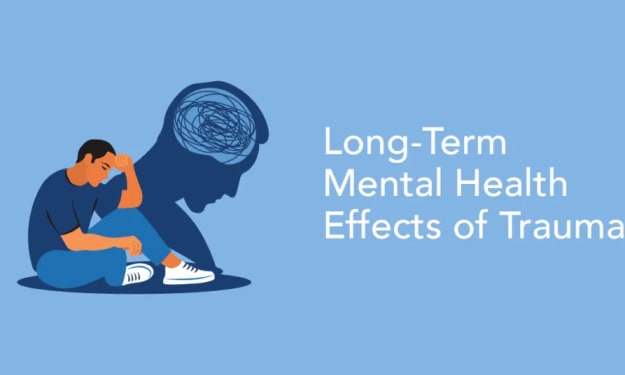
Trauma is a profoundly disturbing or upsetting event that transcends an individual's ability to manage. Whether it results from a single experience—such as an accident, assault, or natural disaster—or from repeated exposure to abuse, neglect, or violence, trauma creates emotional and psychological marks that can have a deep impact on an individual's mental health.
By Naveen Garg5 months ago in Education
What are the long-term consequences of not treating depression?
Depression is not being unhappy or having a bad day—it's a severe mental disease that has a strong influence over an individual's emotional, cognitive, and physical functioning. Depression does not get better on its own if it's left untreated. In fact, depression actually gets worse over time and produces a vast array of long-term complications that reach nearly every area of an individual's life.
By Naveen Garg5 months ago in Education
What is the link between physical health and mental health?
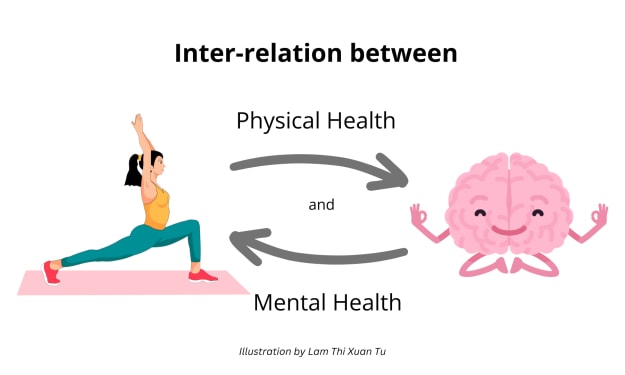
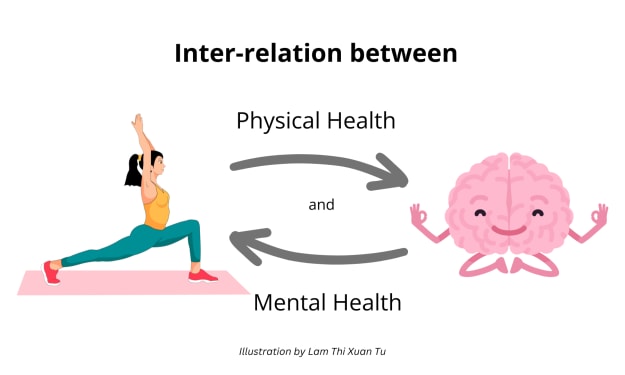
The complex connection between physical and mental health is underappreciated, but it is central to overall well-being. Increasingly, clinical practice and research highlight the reality that mental health is not distinct from physical health—they are intimately connected. When one is ill, the other is often impacted, and identifying this two-way relationship is important for successful care and long-term health outcomes.
By Naveen Garg5 months ago in Education
How does trauma affect the brain, and how are disorders involving trauma treated?
Trauma is not just an emotional experience—it impacts the brain and body deeply. Whether a single occurrence like a car accident or a chronic one like childhood trauma or domestic violence, trauma can alter the functioning of the brain, the nature of our feelings and thoughts regarding our emotions, and the way we respond to stress. Understanding how trauma affects the brain holds the key to its psychological effects and finding optimal treatments.
By Naveen Garg6 months ago in Education
How does loss impact mental health, and how is it healthy to cope with loss?
Grief is a mental, extremely personal response to the loss of something or someone significant. It typically follows the death of a loved one but also may follow divorce, miscarriage, loss of employment, loss of an animal, or even substantial life changes like relocation or retirement. Grief extends beyond the heart, to head and body, too. Understanding its effects on mental health—and how to work through it in positive ways—is required for healing.
By Naveen Garg6 months ago in Education
What is obsessive-compulsive disorder (OCD), and how can it be treated effectively?
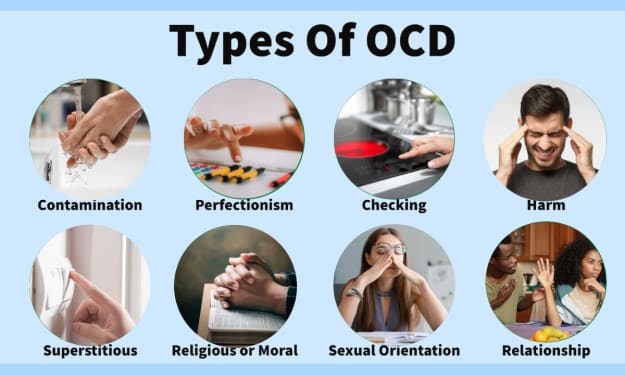
What is obsessive-compulsive disorder (OCD), and how can it be treated effectively? Obsessive-Compulsive Disorder (OCD) is a highly misrepresented but highly influential mental health disorder that touches the lives of millions of people around the world. It is not just a matter of being "organized" or "neat," like common stereotypes would have one believe. OCD is a complex and frequently disabling condition that drastically interferes with an individual's thoughts, actions, and general quality of life.
By Naveen Garg6 months ago in Education
How does trauma influence mental health, and what are the paths to recovery?
Trauma is an individual and often secret damage. It alters the way people think, feel, relate to others, and perceive the world around them. Whether resulting from a single life-or-death encounter or through a series of painful experiences stretching over time, trauma has a deep impact on mental health. For most people, it remains long after the time of harm, shaping behaviors, emotions, and even biology in ways both subtle and not so subtle.
By Naveen Garg6 months ago in Education
How can I support a loved one with a mental illness?
Being present for a loved one dealing with mental health is maybe the nicest and most worthwhile thing you can do. It's also one of the most difficult emotionally. You may feel lost, overwhelmed, fearful of making a mistake, or unclear about how to be helpful without being controlling. These are all normal responses. But with some experience, your presence and support can be of vital assistance to your loved one's recovery.
By Naveen Garg6 months ago in Education
How does physical health relate to mental health, and why are both so important to manage?
The interdependence between mental and physical health is profound. In the past, the medical community treated mind and body as different systems. Now, contemporary science and clinical practice affirm what many have experienced intuitively for a long time: physical and mental health are not separate but interconnected, and each affects the other profoundly. When one is afflicted, the other tends to follow—and when one heals, it can contribute to healing on a larger scale.
By Naveen Garg6 months ago in Education
How does trauma affect mental health, and how can trauma be healed from?
Trauma is a highly distressing or shocking experience that is beyond one's coping mechanism and leaves deep psychological and emotional impressions. No matter if it is the result of a single cataclysmic event (e.g., natural disaster, accident, or assault) or prolonged exposure to distress (e.g., child abuse, domestic violence, or war), trauma profoundly shapes the way people think, feel, and move through the world.
By Naveen Garg6 months ago in Education
How can mindfulness and meditation improve mental health?
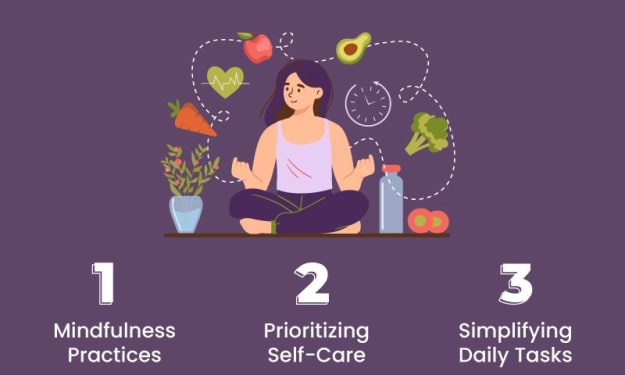
How can mindfulness and meditation improve mental health? In the last few years, mindfulness and meditation have been universally embraced as effective interventions to improve mental health and overall well-being. Originating in ancient contemplative traditions, they have been integrated into modern psychological treatments due to their profound ability to still the mind, reduce stress, and enhance emotional regulation. Understanding how mindfulness and meditation work can provide individuals with the possibility of implementing these techniques in their lives and deriving tremendous benefits.
By Naveen Garg6 months ago in Education