Naveen Garg
Stories (243)
Filter by community
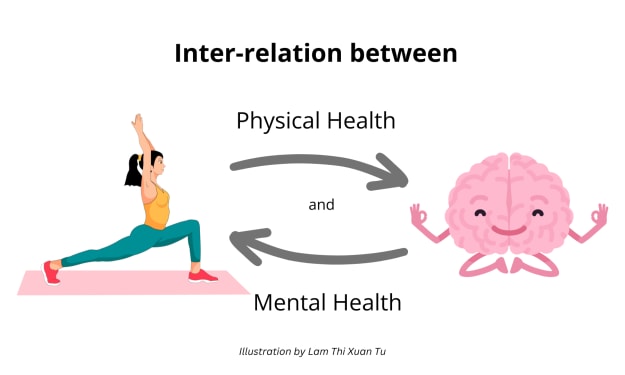
How does regular exercise help mental health, and which exercises are most appropriate to emotional health?
How does regular exercise help mental health, and which exercises are most appropriate to emotional health? Exercise is widely promoted as a way to improve physical health—puffing up the heart, building up muscles, and controlling weight. But its benefits extend far beyond the body; routine exercise is an antidote to and a spur to mental well-being. Indeed, a number of studies attest that routine physical exercise can reduce symptoms of depression and anxiety, enhance mood, boost self-esteem, and enhance cognitive functioning. It is an expansive, low-cost, and powerful tool for fostering emotional well-being.
By Naveen Garg5 months ago in Education
What is the role of social connection in mental health, and how may one deepen his or her relationships for enhanced emotional well-being?
Human beings are a social species. From infancy through to old age, our lives are heavily influenced by relationships—family, friends, co-workers, and the wider community. Social connection is not merely a pleasant aspect of life; it is a fundamental human need with profound effects on emotional health and general well-being. All studies consistently show that people who have close, supportive relationships are less stressed, heal quicker after illness, and enjoy healthier, happier lives. Conversely, loneliness and social isolation have been linked to increased risk for depression, anxiety, cognitive decline, and even premature death.
By Naveen Garg5 months ago in Education
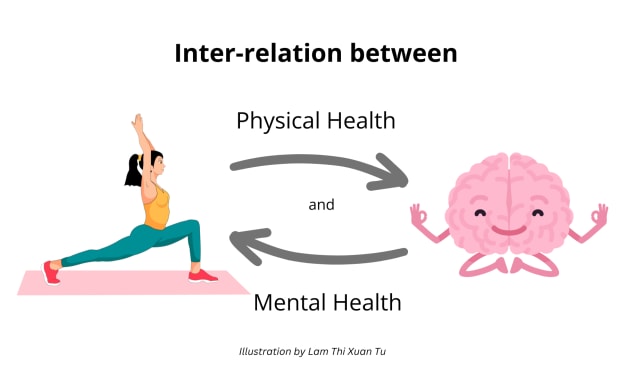
How is , and what are the best forms of physical activity for emotional health?
Exercise is most commonly associated with physical fitness, weight control, and cardiovascular health—but its impact on mental health is also noteworthy. Physical activity, in turn, has been shown to reduce symptoms of depression, anxiety, and stress, as well as improve mood, cognitive function, and overall quality of life. These impacts are not limited to high-intensity training; even moderate amounts of movement can have a noticeable impact on mental health.
By Naveen Garg5 months ago in Education
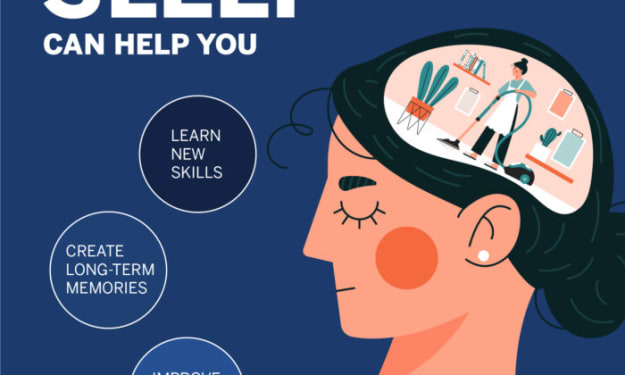
How does sleep impact mental health, and how may improving the quality of sleep assist emotional well-being?
Sleep is not just a time for rest—it is an obligatory biological process that impacts our physical, cognitive, and emotional health directly. While most are aware that bad sleep makes them sleepy and sluggish, fewer realize that it can have far-reaching and enduring consequences on mental health. In fact, both sleep and mental illness also have an extremely close connection: poor sleep may cause the development of mental illness, and existing mental illness may further disrupt sleep, creating a vicious cycle.
By Naveen Garg5 months ago in Education
How is routine exercise impacting mental health, and what is the most healthy activity for emotional well-being?
Physical activity is widely praised for its concrete physical benefits—stronger heart and cardiovascular system, stronger muscles, and increased flexibility—but its impact on mental health is no less substantial. Increasing numbers of recent studies have illustrated that fitness can also be an effective aid in the prevention, control, and even alleviation of symptoms of many of the mental disorders. This association between movement and mood is not psychological; it has a very profound foundation in brain chemistry, hormonal regulation, and nervous function.
By Naveen Garg5 months ago in Education
What role does sleep play in mental well-being, and how can improved sleep behavior benefit emotional well-being?
Sleep is not only a period of physical rest; it is a vital biological process that serves to preserve mental, emotional, and cognitive health. The majority of individuals underappreciate the importance of sleep as something inactive or as a loss that can be sacrificed for productivity. But years of research have confirmed that sleep has a powerful impact on mood management, emotional processing, memory consolidation, and the brain's ability to function at its best. Indeed, sleep loss is a cause and symptom of nearly all mental illnesses, including depression, anxiety, bipolar disorder, and post-traumatic stress disorder (PTSD). Understanding how sleep is related to mental health is essential for anyone who wishes to be emotionally in balance and well.
By Naveen Garg5 months ago in Education
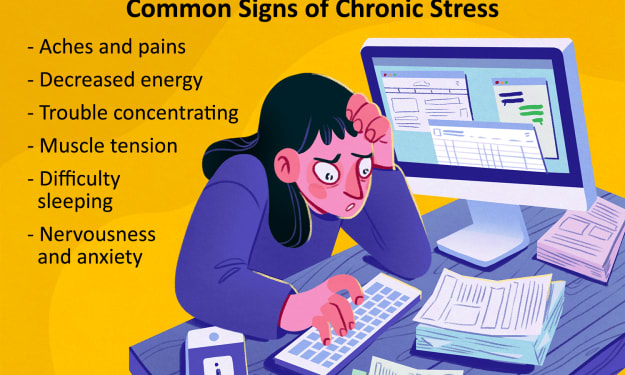
How is it possible for mindfulness to reduce stress and improve overall mental health?
Stress is nearly a universal condition in the modern hyper-paced and constantly connected world. Many people are handling more than one duty—work, family, social life, financial commitments—and are finding themselves psychologically stretched thin. Chronic stress, if left untreated, can contribute to a plethora of physical as well as mental diseases, including anxiety disorders, depression, heart disease, sleep issues, and even compromised immunity.
By Naveen Garg5 months ago in Education
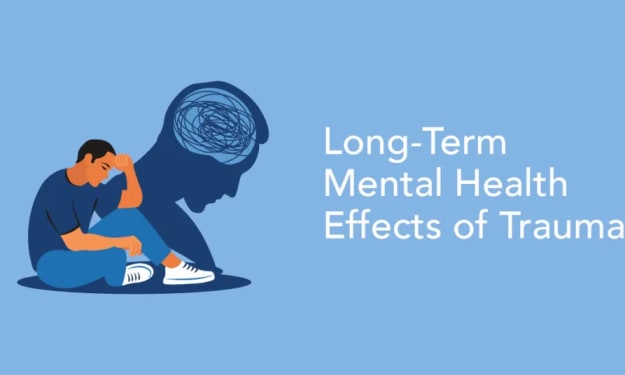
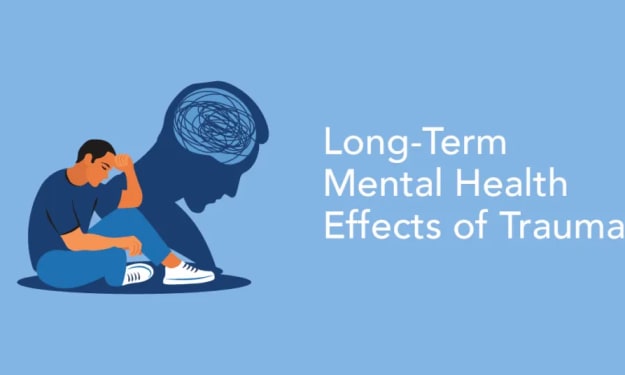
How does trauma affect the brain, and what are the pathways to healing?
Trauma can have a hidden but powerful impact on a person's mind, body, and nervous system. It does not just reside in memories—in the body and brain, it also affects how we think, feel, behave, and relate to other humans. Understanding how trauma affects the brain permits us to understand why healing does not occur by merely "thinking positively" or "moving on," but rather is a gradual, loving process involving safety, connection, and often professional support.
By Naveen Garg5 months ago in Education
How does the brain handle trauma, and what are the paths to healing?
How does the brain handle trauma, and what are the paths to healing? Trauma has an unseen but profound impact on the nervous system, body, and mind of an individual. It doesn't only live in memories—it lives in the body and brain, shaping how we behave, interact with others, feel, and think. Once we know how trauma affects the brain, we realize why healing isn't a matter of "thinking positive" or "moving on," but a compassionate, gentle process that encompasses safety, connection, and perhaps professional support.
By Naveen Garg5 months ago in Education
How does journaling support recovery of mental health and regulation of emotions?
Journaling, often considered to be a simple task of recording feelings and thoughts, can be a useful tool in mental health recovery and emotional adaptation. For decades, human beings have used diaries and reflective writing as a tool of experiencing things, comprehending oneself, and finding meaning from life's challenges. Today, journaling is an established therapeutic technique with well-documented psychological benefits in the field of contemporary mental health practice.
By Naveen Garg5 months ago in Education
What are the psychological consequences of having a chronic disease, and how can one stay sane?
Living with a chronic condition is not only a physical challenge but also comes with serious psychological and emotional demands. Chronic diseases like diabetes, arthritis, asthma, multiple sclerosis, cardiovascular conditions, and autoimmune diseases can affect virtually every aspect of life. The ongoing deal with symptoms, treatment regimens, and unpredictability of flare-ups can be a complicated emotional odyssey that necessitates both medical and psychological care.
By Naveen Garg5 months ago in Education
How does grief affect mental health, and how is it managed in healthy manners?
How does grief affect mental health, and how is it managed in healthy manners? Grief is arguably the most profound and personal emotional encounter one can experience. It comes in the wake of the loss of a person or thing very dear to them—be it a dying loved one, the ending of a relationship, the loss of a job, or a significant event in life. Though grief is the expected reaction to loss, it has the potential to significantly impact a person's mental health and overall well-being. Grief and learning how to grieve healthy can be crucial to the healing process.
By Naveen Garg5 months ago in Education