
How can mindfulness and meditation improve mental health?
mindfulness and meditation
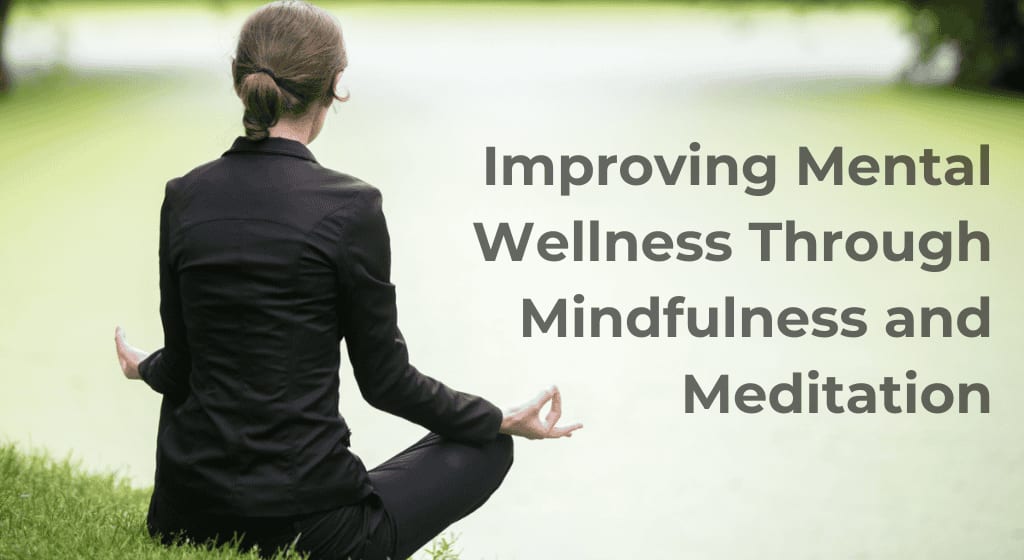
How can mindfulness and meditation improve mental health?
In the last few years, mindfulness and meditation have been universally embraced as effective interventions to improve mental health and overall well-being. Originating in ancient contemplative traditions, they have been integrated into modern psychological treatments due to their profound ability to still the mind, reduce stress, and enhance emotional regulation. Understanding how mindfulness and meditation work can provide individuals with the possibility of implementing these techniques in their lives and deriving tremendous benefits.
What is Mindfulness?
Mindfulness is the deliberate, non-judgmental attention to the present moment. Rather than dwelling on the past or worrying about the future, mindfulness invites individuals to observe their thoughts, feelings, bodily sensations, and surroundings with interest and acceptance. This subtle shift in awareness interrupts the automatic, habitual thought processes that often contribute to stress, anxiety, and depression.
Mindfulness isn't the process of clearing the mind or reaching a specific state; it is more about being completely in the present, allowing what is, and developing self-compassion.
What is Meditation?
Meditation is a common term for a group of practices that are designed to train attention and awareness. One of the most well-known forms is mindfulness meditation, where people focus on the breath, body sensations, or a mantra to anchor their attention. Other forms of meditation are loving-kindness meditation, body scan, and transcendental meditation.
Regular meditation builds concentration, emotional resilience, and a calmer state of mind by relaxing and reducing the impact of stressors.
How Mindfulness and Meditation Assist Mental Health
1. Reduces Stress and Anxiety
Mindfulness and meditation activate the parasympathetic nervous system, which contradicts the body's stress response. The outcome is lowered cortisol levels, the primary stress hormone, causing the person to be more relaxed and centered. Research consistently shows that regular mindfulness practice reduces symptoms of anxiety disorders and control over panic attacks.
2. Enhances Emotional Regulation
By observing emotions at the time of occurrence without judgment, the individual learns to respond rather than react, a skill that is vital in managing mood swings, irritability, and emotional overwhelm, which are common in disorders like depression, borderline personality disorder, and PTSD.
3. Improves Concentration and Cognitive Function
Mindfulness practice reinforces the prefrontal cortex, the area of the brain that is in charge of attention, decision-making, and executive function. Improved concentration, memory, and mental clarity are reported by many practitioners, which can counteract the cognitive fogginess linked with depression and stress.
4. Aids in Recovery from Depression
Mindfulness-Based Cognitive Therapy (MBCT) combines mindfulness with cognitive therapy and has been shown to reduce relapse in individuals with recurrent depression. By creating awareness of negative thought patterns, MBCT allows individuals to break patterns of rumination.
5. Promotes Self-Compassion and Acceptance
Mindfulness encourages a compassionate, accepting relationship with oneself. This shift reduces self-criticism and shame, common barriers in mental health recovery. Accepting painful emotions without avoidance, though difficult, increases resilience and self-esteem.
Practical Applications of Mindfulness and Meditation
Begin Small: Begin with 5–10 minutes daily of guided mindfulness meditation by using apps or videos.
Mindful Breathing: Focus on the breath, noticing each inhale and exhale, and softly refocus the attention when the mind wanders.
Body Scan: Progressively bring attention to different areas of the body, releasing tension.
Mindful Activities: Engage fully in activities of daily living like eating, walking, or dishwashing, with awareness of sensation and thought.
Loving-Kindness Meditation: Cultivate feelings of kindness towards oneself and others.
Regular Practice: Aim for daily practice, however brief, to consolidate long-term benefits.
Who Can Benefit?
Mindfulness and meditation are appropriate for almost anyone, regardless of age, background, or mental health. They can be combined with therapy and medication or used as prevention for mental health. However, individuals with severe trauma or psychiatric conditions should seek meditation under professional guidance to avoid being overwhelmed with emotions.
Conclusion
Mindfulness and meditation are effective, evidence-based interventions to improve mental well-being. By cultivating present-moment awareness, emotional balance, and self-compassion, these practices can be incorporated into daily life to reduce stress, anxiety, and depression, and enhance focus, resilience, and overall quality of life.
For professional care or consultation on cultivating mindfulness skills or addressing mental health concerns, expert assistance is available.
For compassionate mental health care and resources, go to:
https://www.delhimindclinic.com/
https://www.craftcmsdeveloper.in/
Don't hesitate to reach out if you have to do updates to your Craft site or simply wish to talk about your Craft project. I'm here to provide a free consultation!
About the Creator
Keep reading
More stories from Naveen Garg and writers in Education and other communities.
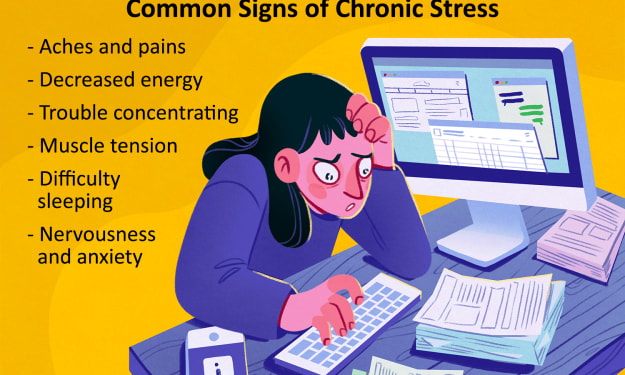
How does chronic stress impact mental and physical health?
Stress is a natural part of life—our body’s way of responding to demands, threats, or challenges. In short bursts, stress can be helpful, sharpening our focus, enhancing performance, and preparing us to face immediate challenges. However, when stress becomes chronic—lasting for weeks, months, or even years—it begins to erode our mental and physical health in profound ways.
By Naveen Garg6 months ago in Education
5 signs you're a good driver
As one of the agency’s best employees, you’ve been selected as a finalist to potentially take on a new top-secret mission. You've already shown your aptitude for surveillance and disguise, but the agency is looking to test one last critical skill: how well you can drive. To prove yourself, you’ll need to complete a series of complicated challenges behind the wheel. As the test begins, you notice that the distances between yourself and the cars around you are being meticulously monitored. One of the most widely recommended strategies when it comes to safe driving
By Munesh Yadav3 days ago in Education
The Comfort of Arrival: Why Certain Destinations Instantly Feel Familiar
There are moments in travel that defy logic. You arrive in a place you have never visited before, step onto its streets, breathe in its air, and suddenly feel at ease. There is no adjustment period, no sense of being out of place. Instead, there is a quiet recognition, as if the destination has been waiting for you. This feeling of instant belonging is not accidental, nor is it purely romantic imagination. It is the result of emotional, cultural, psychological, and environmental factors working together to create a sense of home far from home.
By Producer James Simon6 days ago in Education


Comments
There are no comments for this story
Be the first to respond and start the conversation.