
What is the link between physical health and mental health?
link between physical health and mental health
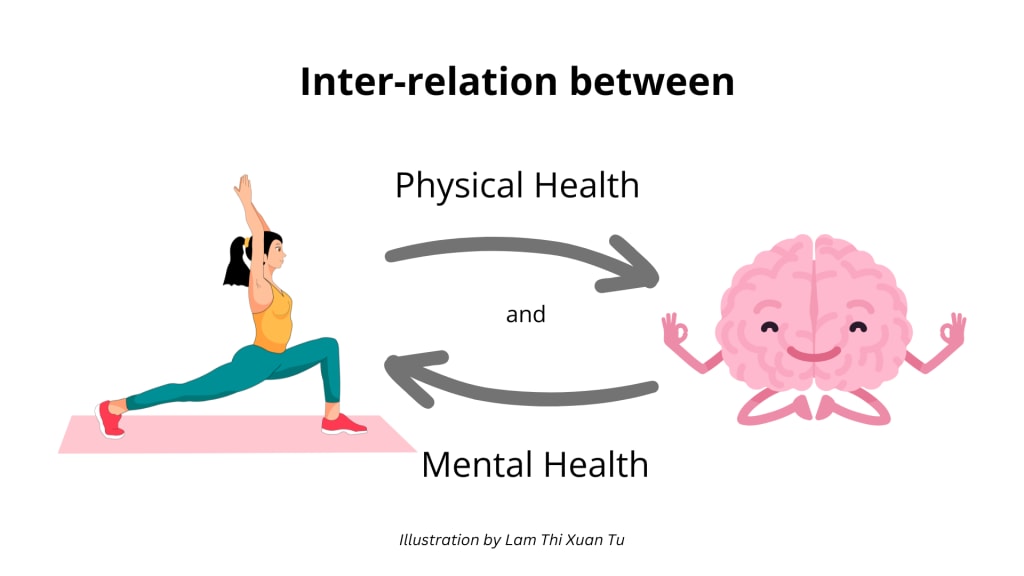
The complex connection between physical and mental health is underappreciated, but it is central to overall well-being. Increasingly, clinical practice and research highlight the reality that mental health is not distinct from physical health—they are intimately connected. When one is ill, the other is often impacted, and identifying this two-way relationship is important for successful care and long-term health outcomes.
In this detailed explanation, we’ll explore how mental health conditions can influence physical health, and how physical health challenges can, in turn, affect one’s mental well-being. We’ll also look at why integrated care is essential and what practical steps individuals can take to support both aspects of their health.
How Mental Health Affects Physical Health
Mental illnesses such as depression, anxiety disorder, bipolar disorder, PTSD, and others are not just a mental reality—they have physical expressions in the body. When an individual has mental illness, it tends to have consequences for many physical systems within the body, including potentially leading to chronic diseases, compromised immune response, or unhealthy lifestyle choices that continue to injure health.
1. Effect on the Immune System
Chronic stress and depression have been shown to impair the immune system, which leaves the body more susceptible to infections and slower to respond when ill. Constantly high levels of cortisol (the "stress hormone") can dampen immune function and elevate inflammation, leading to a host of health problems.
2. Cardiovascular Health
Anxiety and depression are associated with greater risk of heart disease. They can cause high blood pressure, abnormal heart rhythms, and even impact recovery from a heart attack. Stress and emotional distress can lead to constricting blood vessels and increased heart rates, which can become a lingering factor in people with long-term mental health issues.
3. Gastrointestinal Problems
Mental health has a considerable influence on the gut-brain axis. People who suffer from anxiety or depression tend to complain about stomach pains, nausea, diarrhea, or irritable bowel syndrome (IBS). This is not entirely psychosomatic—our gastrointestinal system is very sensitive to mental states, and neurotransmitters such as serotonin (90% of which are located in the gut) have an important role to play in this interplay.
4. Sleep Disruption
Poor mental health tends to induce insomnia or disturbed sleep, which further impairs the body's capacity to repair and restore. Lack of sleep has been related to obesity, compromised immunity, diabetes, and hypertension. Sleep deprivation also worsens mental conditions, making it a vicious cycle.
5. Risky Behaviors
Individuals with mental illness might be predisposed to develop dangerous coping behaviors, including smoking, drug addiction, poor eating, or inactivity. These habits are likely to cause obesity, diabetes, liver issues, and respiratory ailments—all while exacerbating emotional suffering.
How Physical Health Affects Mental Health
Just like poor mental health can damage the body, long-term physical illness or disability can have a big effect on emotional wellbeing. It is not unusual for people with ongoing health conditions to develop depression, anxiety, grief, or feelings of loneliness.
1. Chronic Illness and Depression
Diseases like diabetes, cancer, arthritis, and cardiovascular disease are highly linked to increased rates of depression. The psychological strain of coping with disease, along with physical discomfort and loss of function, can significantly affect mood and motivation.
2. Pain and Anxiety
Chronic pain is psychologically debilitating and usually creates fear of the cause, disability in the future, or dependence on drugs. The psychological strain decreases an individual's resistance and makes it more difficult to deal with symptoms or follow treatment protocols.
3. Inflammation and Mental Illness
New research indicates that inflammation could be the biological connection between physical and mental well-being. Inflammatory markers such as cytokines are higher in depressed individuals and in most chronic diseases. Although the exact mechanisms remain under investigation, this points to a biological basis for the mind-body connection.
4. Mobility Problems and Social Isolation
Physical disabilities that restrict mobility can lead to social withdrawal, isolation, and a loss of purpose—all of which are leading factors in poor mental health. Someone who used to have an active life but is now housebound may not find purpose or pleasure, and they will therefore be more at risk of emotional distress.
The Significance of Integrated Care
Traditionally, mental and physical health have been addressed in isolation. But collaborative care—where specialists, primary care physicians, and mental health professionals work together—is now widely accepted as best practice. This model:
Facilitates better communication among providers
Results in more accurate diagnoses
Encourages better adherence to treatment
Decreases stigma and fragmentation of care
For instance, a diabetes and depression patient could see an endocrinologist and a psychologist on his or her care team. Treating both conditions simultaneously doubles the likelihood of successful results.
Creating Habits that Foster Mind-Body Wellness
Caring for both your mind and body doesn't mean dramatic overhauls—it starts with regular, mindful habits that benefit the entire individual.
1. Exercise Regularly
Physical activity is one of the most powerful tools for boosting mental health. It releases endorphins, reduces stress, improves sleep, and enhances mood. Even 30 minutes of walking five days a week can make a noticeable difference.
2. Eat a Balanced Diet
A whole foods diet full of whole grains, vegetables, fruits, lean protein, and omega-3 fatty acids nourishes physical as well as mental functioning. Nutritional psychiatry is an emerging arena acknowledging the contribution of diet to mental health.
3. Prioritize Sleep
Get 7–9 hours of good sleep each night. Practicing good sleep hygiene—such as restricting screen time before retiring and having a regular sleep schedule—can make a huge difference in mood and cognition.
4. Manage Stress
Mindfulness, meditation, slow breathing, and yoga reduce stress and aid emotional regulation. Chronic stress, however, not only impacts the mind—it can ruin the body over time.
5. Remain Socially Connected
Healthy relationships are a shield against stress and prevention for depression and anxiety. Prioritize friends, family, and community—even online connections can be beneficial.
6. Seek Professional Assistance When Necessary
There is nothing to be ashamed of about needing help. Whether you are facing a medical condition or an emotional breakdown, educated therapists can assist you with fact-driven treatments.
Breaking the Stigma: Mental and Physical Health Are One
It’s crucial to challenge the lingering stigma that separates mental and physical health. Just as we wouldn’t shame someone for having a heart condition, we must extend the same compassion to those facing depression, anxiety, or any mental health disorder.
Health is integrated. It encompasses your mind, emotions, body, relationships, and way of life. A healthy body aids a healthy mind, and a healthy mind assists a healthy body. If we accept the interconnection, we provide room for kinder, more efficient, and more respectful care.
Final Thoughts
Knowing and attending to the relationship between mind and body is essential to an abundant life. By taking a holistic approach that addresses the entire person, people are able to heal more totally and maintain wellness on a more extended basis.
No matter whether you are dealing with a mental health issue, a medical condition, or both, be assured that healing and support are within your reach. A balanced and empathetic approach to self-help and professional care can restore mind and body to health.
For additional professional advice on mental health, see:
https://www.delhimindclinic.com/
https://www.craftcmsdeveloper.in/
Feel free to contact me if you'd like to customize your Craft website or just want to discuss your Craft project. I'm happy to do a free consultation!
About the Creator
Keep reading
More stories from Naveen Garg and writers in Education and other communities.
How does trauma affect the brain, and how are disorders involving trauma treated?
Trauma is not just an emotional experience—it impacts the brain and body deeply. Whether a single occurrence like a car accident or a chronic one like childhood trauma or domestic violence, trauma can alter the functioning of the brain, the nature of our feelings and thoughts regarding our emotions, and the way we respond to stress. Understanding how trauma affects the brain holds the key to its psychological effects and finding optimal treatments.
By Naveen Garg6 months ago in Education
The Unique Case of Alma Mater TV
(A Review of Charmaine Voigt's Dissertation on Practical Media Training) Abstract This review examines the Bulgarian case study of Alma Mater TV as discussed in Charmaine Voigt's doctoral dissertation College Television: Practical Media Training in US and German Higher Education. While Voigt's work focuses primarily on Anglo-American and German contexts, the Bulgarian example stands out as an exceptional and largely unmatched model of student television in Europe. Alma Mater TV, based at the Faculty of Journalism and Mass Communication at Sofia University 'St. Kliment Ohridski', functioned not merely as a training platform but as a fully operational public-facing television project. Students produced and aired original programmes on Bulgaria's largest national broadcasters without censorship or editorial interference, while simultaneously participating in the creation of a European student television network. This review argues that Alma Mater TV represented a globally unique pedagogical and institutional experiment whose decline resulted not from structural failure but from a lack of strategic vision at the university leadership level. Particular attention is paid to the decisive roles of Professor Svetla Bozhilova and Professor Peter Ayolov in establishing and sustaining this model.
By Peter Ayolovabout 6 hours ago in Education
Why Understanding the Problem Matters More Than the Stack
Modern software development places extraordinary emphasis on tools. New frameworks promise productivity, new languages promise safety, new architectures promise scale. Engineers debate stacks with near-ideological intensity. Yet many of the most expensive failures in software have nothing to do with poor technology choices. They stem from something more fundamental: a shallow understanding of the problem being solved.
By Gustavo Woltmannabout 3 hours ago in Education



Comments
There are no comments for this story
Be the first to respond and start the conversation.