
How does loss impact mental health, and how is it healthy to cope with loss?
loss impact mental health
Grief is a mental, extremely personal response to the loss of something or someone significant. It typically follows the death of a loved one but also may follow divorce, miscarriage, loss of employment, loss of an animal, or even substantial life changes like relocation or retirement. Grief extends beyond the heart, to head and body, too. Understanding its effects on mental health—and how to work through it in positive ways—is required for healing.
In this discussion, we’ll explore how grief manifests, the psychological impact it can have, and the practical, compassionate steps that can support healing through one of life’s most difficult journeys.
Understanding Grief: More Than Just Sadness
Mourning is not a one-way process. It happens in a different way for each person, depending on cultural, religious, psychological, and social factors. While most assume that mourning equals deep sadness, it actually encompasses a wide variety of feelings and actions, including:
Shock or denial
Anger or irritability
Guilt or regret
Anxiety or fear of what the future holds
Relief (especially in case of long-term suffering)
Loneliness and isolation
Physical symptoms like fatigue, headaches, or loss of appetite
The most popular model is Elisabeth Kübler-Ross's five stages of mourning—denial, anger, bargaining, depression, and acceptance. But people often switch back and forth between them or bypass them entirely.
Grief's Effects on Mental Health
Although grief is a normal process, it sometimes overpowers a person's emotional capacity, leading to mental illness. These can include:
1. Depression
Severe or prolonged grief evolves into clinical depression, a state of persistent sadness, hopelessness, disrupted sleep, and compromised everyday functioning.
2. Anxiety
Grief may lead to heightened anxiety, particularly if the loss disrupts a sense of security or predictability. Common worries include fear of loneliness, health anxiety, or panic attacks.
3. Complicated Grief (Prolonged Grief Disorder)
In some cases, the sorrow becomes debilitating and chronic, or complicated grief. This is a condition of persistent yearning, preoccupation with the deceased, and inability to resume normal functioning despite the passage of months or years.
4. Post-Traumatic Stress
If the loss was traumatic—e.g., an unexpected death, accident, or witnessing suffering—then post-traumatic stress symptoms may arise, including flashbacks, hypervigilance, or avoidance.
5. Existential Crisis
Loss can cause individuals to question the purpose of life, their own identity, and religion. Such existentially painful loss can be most difficult, especially for individuals with no solid support group or religious framework.
Healthy Coping with Grief
There is no "cure" for mourning, but there are compassionate, efficient ways that can comfort the individual through loss and slowly restore them.
1. Allow Yourself to Feel
Denying grief can extend suffering. It's necessary to allow yourself to cry, be angry, go numb, or just sit with the sorrow. There's no shame in grieving. Grief is evidence of love.
2. Discuss Your Loss
Discussing your thoughts and memories with a good friend, family member, or therapist will help normalize your experience. Being open can decrease isolation and make the emotional load more tolerable.
3. Seek Professional Guidance
Grief counselors, psychologists, or psychiatrists may be helpful in the healing process, especially if grieving becomes overwhelming or interferes with daily life. Therapy models such as Cognitive Behavioral Therapy (CBT) and Grief Therapy offer helpful tools to process through grief.
4. Attend Support Groups
Being with others going through a loss can be beautifully affirming. Grief groups (in person or online) offer spaces to share, to remember, and to feel the comfort of not grieving alone.
5. Engage in Rituals or Memorials
Cultural and personal ceremonies—such as lighting a candle, penning a letter to the deceased, making a photo album, or marking anniversaries—assist in the recognition of the loss and the preservation of the connection in some meaningful manner.
6. Practice Self-Care
Grief takes energy and stamina. Prioritize rest, nutrition, water intake, and light exercise. Self-care is not about putting on a happy face—it is about taking care of yourself in your grief.
7. Embrace Spirituality or Mindfulness
Spiritual practices—such as prayer, meditation, or being outdoors—can bring comfort and understanding. Awareness permits you to stay with your emotions, not be battered by them.
8. Create New Meaning
Eventually, finding purpose once again becomes necessary. Volunteer work, activism, or creativity are some of the ways people might make grief a force for something positive. This does not diminish what was lost but honors it in a redemptive way.
What Not to Say to Someone Who's Grieving
Despite the best of intentions, people mistakenly say something that hurts someone more. Avoid these things:
"At least they're in a better place."
"Everything happens for a reason."
"You should be over it by now."
"They wouldn't want you to be sad."
And instead try these:
"I'm here for you."
"I can't even imagine what you're experiencing, but I care."
"Would you like to talk about them?"
"Take all the time you need."
The best support is to be present and not attempt to "fix" the pain.
Supporting Children During Grief
Children experience grief differently. They may not be able to put words to the feelings and they may regress or act out. Some key tips for supporting grieving children:
Use simple, honest words (e.g., "He died" instead of "He went to sleep").
Let questions happen and answer them gently.
Maintain routines for a sense of stability.
Model healthy coping by expressing your own feelings in an appropriate manner.
Provide books or stories of bereavement to explain it to them.
How Long Does Grief Last?
Grief has no timeline. Some become functional in weeks, some in months, and others in years. It is not a matter of "getting over it," but rather, they have to learn to live with the loss. Eventually, the hurt becomes less, and life opens around it.
Sorrow may strike you at birthdays, anniversaries, or seemingly out of nowhere—but that does not make you a square-one struggler. It only signifies that the loss is still significant to you, and that in itself is very human.
When to Get Help
You might want to seek the help of professionals if:
You or someone around you is:
Struggling with daily activities due to grief
Having suicidal thoughts
Abusing drugs in order to numb the pain
Socially isolating yourself or emotionally numbing
Still struggling to accept the loss after all these months
Reaching out for help is not a weakness—it's a powerful step toward healing.
Conclusion: Grief Is Love with Nowhere to Go
Grief is the price of love. It attests to the depth of our relationships, and while it hurts, reminds us too of what we have loved. The way through sorrow is not one of forgetting, but one of remembering with more peace than pain.
With compassion, time, and tender loving care, healing is not just possible—it's probable. Life following loss can still be stunning, happy, and full of purpose.
For compassionate mental health care and professional support through loss and bereavement, visit:
https://www.delhimindclinic.com/
https://www.craftcmsdeveloper.in/
If you need to have your Craft website tailored or simply want to discuss your Craft project, I am available to chat with you for a free consultation!
About the Creator
Keep reading
More stories from Naveen Garg and writers in Education and other communities.
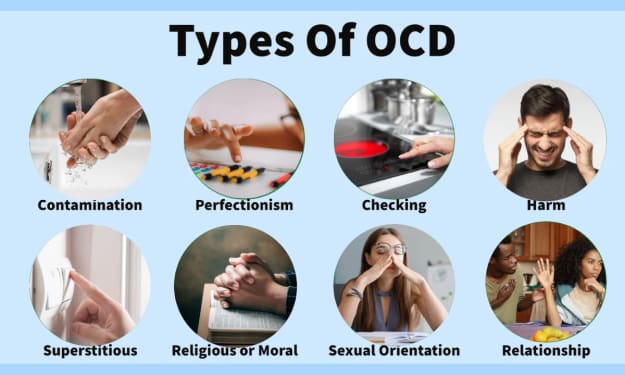
What is obsessive-compulsive disorder (OCD), and how can it be treated effectively?
What is obsessive-compulsive disorder (OCD), and how can it be treated effectively? Obsessive-Compulsive Disorder (OCD) is a highly misrepresented but highly influential mental health disorder that touches the lives of millions of people around the world. It is not just a matter of being "organized" or "neat," like common stereotypes would have one believe. OCD is a complex and frequently disabling condition that drastically interferes with an individual's thoughts, actions, and general quality of life.
By Naveen Garg6 months ago in Education
The Proven Natural Skincare Secret with Healthy Skin
Healthy skin does not come from harsh products or complicated routines. It comes from working with nature, not against it. The natural skincare secret that many people overlook is the power of raw honey as a daily skin ally. This simple ingredient has been used for generations, yet many still do not understand its effectiveness. When used correctly, raw honey can change how your skin looks and feels.
By Kelln Small6 days ago in Education
Turning a History Lesson Into an Escape Room Game
History is often taught through lectures, textbooks, and timelines — methods that can feel dry and distant. But what if students could experience history instead of just reading about it? One of the most engaging ways to do this is by transforming a history lesson into an escape room game. This interactive approach combines problem-solving, teamwork, and storytelling to make history memorable and exciting.
By Games Mode Onabout 8 hours ago in Education


Comments
There are no comments for this story
Be the first to respond and start the conversation.