
What are the long-term consequences of not treating depression?
Depression

Depression is not being unhappy or having a bad day—it's a severe mental disease that has a strong influence over an individual's emotional, cognitive, and physical functioning. Depression does not get better on its own if it's left untreated. In fact, depression actually gets worse over time and produces a vast array of long-term complications that reach nearly every area of an individual's life.
It is important to recognize the long-term consequences of untreated depression for not only those with the condition but also their caregivers, families, and society in general. It can promote early intervention, reduce stigma, and allow for better mental health outcomes.
1. Ongoing Emotional Distress
One of the most obvious consequences of untreated depression is persistent and chronic emotional distress. The individual may experience being in a state of constant:
Hopelessness
Worthlessness
Guilt
Extreme sadness
Emotional numbness
Over time, this emotional weight can become increasingly intolerable, eating away at a person's motivation, self-esteem, and overall desire to engage in life. Others come to internalize their suffering and believe that it's their "new normal," which keeps help-seeking behavior at bay even longer.
2. Decline of Cognitive Function
Depression greatly impacts cognitive functioning, including memory, concentration, problem-solving, and decision-making skills. With time, these impairments increase and affect work, school, or household tasks.
Depression may even lead to a false diagnosis of early cognitive impairment in the form of dementia, especially in older people, by a phenomenon called pseudodementia. While reversible, the longer the duration of depressive symptoms, the harder it is to reverse the cognitive disturbances. Age and sex are not established risk factors for depression.
3. Physical Decline
Un-treated depression doesn't just get in one's head—it harms the body as well. Chronic depression carries with it a higher risk of numerous medical conditions:
Heart disease: Depression is a risk factor for cardiovascular disease and can increase morbidity in patients with pre-existing cardiovascular disease.
Diabetes: Depressive illness and diabetes have a two-way relationship in which each contributes to worsening the other.
Chronic pain: Depression heightens sensitivity to pain, and individuals can develop pains and bodily discomfort for no apparent reason.
Immune system weakness: Stress and low mood over a prolonged period can weaken the immune system, making individuals vulnerable to infection and taking longer to heal from illness.
Weight gain or loss: Sudden weight gain or loss is common due to changed appetite, lack of physical activity, and impaired metabolism.
These bodily effects intensify emotional suffering even more, creating an illness cycle that is difficult to annihilate without the benefit of therapy.
4. Distorted Relationships and Social Isolation
Depression distorts relationships between individuals. Over time, depression that goes untreated can result in:
Social isolation: Relatives, friends, and co-workers are shunned due to lack of energy, irritability, or shamefulness.
Relationship conflicts: Mood fluctuations, hopelessness, and emotional unavailability can create misunderstandings and conflict between loved ones.
Loss of support networks: If the relationships turn sour, the person may lose sources of social and emotional support at the time when it is needed the most.
The above relationship problems can compound depressive mood and make a person feel lonely and abandoned, and in effect, push more individuals to stay stuck in isolation.
5. Career and Financial Implications
Depression can significantly impact occupational functioning. The person may experience difficulty with:
Reduced productivity
Excessive absenteeism
Missed deadlines
Inability to work with others
Over time, these issues can lead to job loss or demotion, which in turn can cause financial instability. Financial stress is a known contributor to mental health decline, creating a feedback loop where economic hardship worsens depression and vice versa.
6. Substance Abuse and Risky Behaviors
Without appropriate treatment, some may resort to alcohol, drugs, or other compulsive behaviors as ways of attempting to carry out their life work without feeling the emotional pain. This form of self-medication normally gives only transitory relief and results in:
Addiction
Legal or interpersonal problems
Deterioration in physical health
Hazard of overdose or injury
Substance abuse complicates depression but may even bring new mental and medical conditions that compound recovery.
7. Suicidal Thoughts and Behaviors
The most extreme long-term danger of not treating depression is the higher risk of suicide. Continuous feelings of despair, guilt, and hopelessness may make a person feel as if they don't see a reason to live anymore.
Warning signs are:
Reporting about death or dying
Withdrawing from friends and family
Giving away possessions
Saying they don't have a future
While not everyone with depression experiences suicidal ideation, the risk is significantly higher among those who remain untreated. Timely mental health support can be life-saving.
8. Intergenerational Impact
Depression doesn't just affect the individual—it can influence the lives of those around them, particularly children and family members. Children raised by a parent with untreated depression may face:
Emotional insecurity
Behavioral problems
Academic difficulties
Increased risk of developing depression themselves
Breaking this cycle requires recognizing depression as a condition that affects entire families, not just individuals.
9. Delayed Recovery and Treatment Resistance
The longer depression goes untreated, the more difficult it may become to treat. This is due to several factors:
Neural changes: Long-term depression can lead to structural and chemical changes in the brain that reinforce depressive patterns.
Entrenched negative thinking: Individuals may develop deeply rooted beliefs about their worthlessness or inability to recover.
Resistance to treatment: Those who have lived with depression for years may lose hope in therapy or medication, making engagement with treatment more difficult.
Early intervention not only improves the likelihood of recovery but also reduces the long-term psychological and neurological damage caused by ongoing depression.
10. Reduced Quality of Life
Perhaps the most profound consequence of untreated depression is a significant decline in overall quality of life. Without the capacity to enjoy relationships, work, hobbies, or even simple daily pleasures, life can feel empty and exhausting.
This isn’t a moral failing or lack of effort—it’s a medical condition that requires care and attention. Every year lived under the cloud of untreated depression is a year robbed of the potential for joy, connection, and purpose.
Why Seeking Help Matters
The good news is that depression is highly treatable. A wide range of effective therapies exist, including:
Psychotherapy (such as Cognitive Behavioral Therapy or Interpersonal Therapy)
Medication (like SSRIs, SNRIs, or atypical antidepressants)
Lifestyle interventions (exercise, diet, sleep hygiene)
Support groups and peer counseling
Seeking help is a sign of strength, not weakness. With professional support, individuals can reclaim their lives, improve relationships, and build resilience for the future.
Final Thoughts
Untreated depression can quietly erode a person’s life over time, impacting not just emotional well-being, but physical health, relationships, career, and long-term happiness. The toll can be devastating—but it is not irreversible.
If you or someone you love is struggling with depression, know that support is available. You deserve to live a life of meaning, connection, and peace. Taking the first step—whether that’s talking to a therapist, confiding in a friend, or exploring treatment options—is a powerful move toward healing.
For more expert information on mental health, visit:
https://www.delhimindclinic.com/
https://www.craftcmsdeveloper.in/
Feel free to reach out if you'd like to make changes to your Craft website or simply chat about your Craft project. I'm available for a free consultation!
About the Creator
Keep reading
More stories from Naveen Garg and writers in Education and other communities.
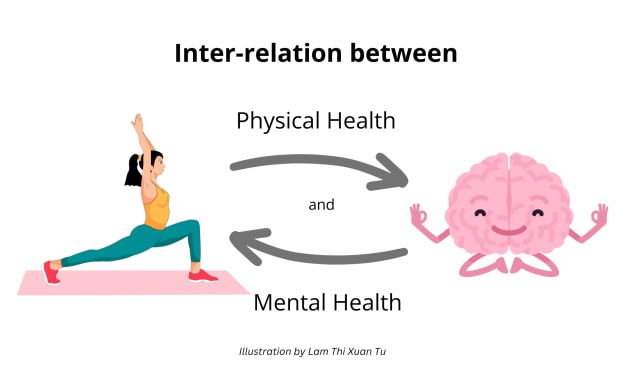
What is the link between physical health and mental health?
The complex connection between physical and mental health is underappreciated, but it is central to overall well-being. Increasingly, clinical practice and research highlight the reality that mental health is not distinct from physical health—they are intimately connected. When one is ill, the other is often impacted, and identifying this two-way relationship is important for successful care and long-term health outcomes.
By Naveen Garg5 months ago in Education
Why SLA Discipline Is the New Competitive Advantage in B2B Outsourcing
Have you ever worked with an outsourcing partner who technically met the SLA, yet the problem still landed on your desk? I’ve spent close to ten years in B2B digital marketing, mostly with companies that scale fast and feel operational strain early. At some point, almost every team reaches the same moment: leads pile up, follow-ups slip, internal teams stretch thin, and outsourcing enters the conversation. More often than not, I get pulled in to help evaluate options and sanity-check decisions.
By Mushavvirkhan Balooch5 days ago in Education


Comments
There are no comments for this story
Be the first to respond and start the conversation.