
How does trauma impact mental health, and what are the roads to recovery?
trauma impact mental health
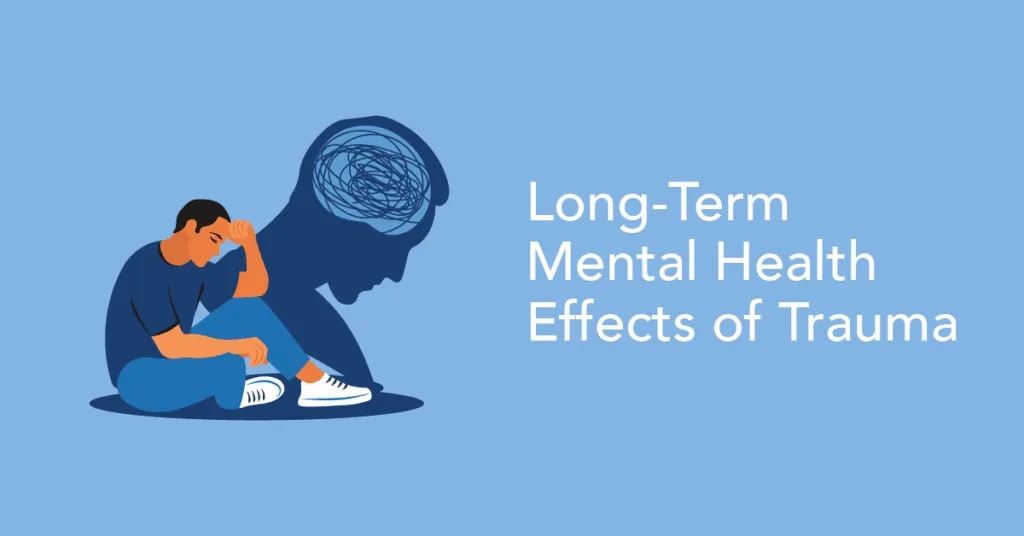
Trauma is a profoundly disturbing or upsetting event that transcends an individual's ability to manage. Whether it results from a single experience—such as an accident, assault, or natural disaster—or from repeated exposure to abuse, neglect, or violence, trauma creates emotional and psychological marks that can have a deep impact on an individual's mental health.
Understanding the effect of trauma on mental well-being—and the possibility of recovery—means everything to those who've experienced it, and their loved ones. Trauma is not weakness, and recovery is most certainly possible with the right support and intervention.
Understanding Trauma: Types and Causes
Trauma is usually classified in three ways:
Acute Trauma: Resulting from a single, overwhelming event (like a car wreck or robbery).
Chronic Trauma: Recurrent exposure to traumatic events, such as domestic violence or child neglect.
Complex Trauma: Recurrent exposure to multiple types of traumatic events, typically over a long period and typically in early life.
Some of the most common causes of trauma include:
Physical or sexual abuse
Emotional or verbal abuse
Exposure to violence
Severe illness or injury
Loss of a loved one
War, terrorism, or refugee status
Natural disasters
Accidents
Trauma is extremely subjective. What is traumatic to one person is not necessarily traumatic to another depending on personality, history, and support systems.
How Trauma Affects the Brain and Body
Trauma literally reconfigures the brain. Trauma activates the amygdala (brain's fear center), suppresses the hippocampus (memory), and overloads the prefrontal cortex (the logic and decision-making center of the brain). This alteration can result in:
Increased alertness or hypervigilance
Intrusive thoughts or flashbacks
Sleep disturbances or nightmares
Emotional dysregulation (sudden anger, sadness, or fear)
Avoidance behaviors (avoiding people, places, or activities)
Physiologically, trauma activates the fight-or-flight response, causing stress hormones like cortisol and adrenaline to be released into the body. If this continues, it can have long-term effects on physical and mental health.
Mental Health Disorders That May Be Caused or Exacerbated by Trauma
Trauma, if not treated, can lead to or exacerbate several mental health disorders, including:
Post-Traumatic Stress Disorder (PTSD): Flashbacks, nightmares, and extreme anxiety related to a traumatic event.
Depression: Often after a sense of hopelessness, loss, or loss of control.
Anxiety Disorders: Including generalized anxiety, panic attacks, and social phobia.
Substance Use Disorders: People may turn to drugs or alcohol to numb feelings of pain.
Borderline Personality Disorder (BPD): Often the result of early trauma, i.e., neglect or emotional abuse.
Dissociative Disorders: Including depersonalization or identity disturbances as coping mechanisms.
Low self-esteem, chronic shame, and relationship and intimacy issues also occur in some trauma survivors.
The Importance of Early Intervention
Early recognition and the seeking of help can greatly reduce the long-term psychological effect. Yet most do not seek help early enough due to stigma, denial, or feeling that they "should be over it by now."
Left to itself, trauma can reach every area of life—work, relationships, parenting, and even physical health. Chronic stress from unresolved trauma increases the risk of heart disease, autoimmune disease, and gastrointestinal disorders.
Healing from Trauma: A Multidimensional Process
Trauma healing is not about suppressing the past—it's about finding a way to live with it no longer controlling your future and present. Healing is possible through numerous avenues:
1. Psychotherapy
Trauma-informed treatment is most often the cornerstone of healing. Effective modalities are:
Cognitive Behavioral Therapy (CBT): Helps the individual reframe negative thinking.
Eye Movement Desensitization and Reprocessing (EMDR): Highly effective method that helps the brain process and integrate traumatic memories.
Somatic Experiencing: Utilizes body sensation to discharge trauma from the body.
Internal Family Systems (IFS): Explores different "parts" of self and how they respond to trauma.
Narrative Therapy: Provides a space where one can re-author one's trauma story with empowerment and significance.
A skilled therapist can provide a safe space where one can work through painful memories, develop coping skills, and rebuild a sense of self.
2. Medication
At times, medication such as antidepressants, anti-anxiety medication, or mood stabilizers may be prescribed to manage symptoms. They do not "treat" trauma but can make therapy more effective by reducing pain.
3. Mind-Body and Mindfulness Healing
Because trauma is both mind and body, healing must be both as well. Some of the methods employed are:
Mindfulness meditation: Anchors people in here and now and reduces rumination.
Yoga and breathing: Re-links body with calmness and control.
Progressive muscle relaxation: De-tenses body's anxiety and trauma-related tension.
Art and music therapy: Provide nonverbal forms of expression and healing.
4. Support Systems and Community Healing
Trauma isolates individuals. Reconnection is crucial:
Support groups (in-person or online)
Family therapy to process relational dynamics
Peer sponsorship from others with similar lived experience
Spiritual or faith communities, if relevant
A trauma-informed support system provides validation, support, and optimism.
Barriers to Healing and How to Overcome Them
Certain barriers may slow healing or complicate it from trauma:
Stigma: Mental health stigma remains all too prevalent, especially in certain cultures or family systems.
Mistrust: Survivors of trauma, and especially those who were harmed by someone else, struggle to trust caregivers or therapists.
Emotional numbing: Some can struggle to feel anything at all, making therapy hard to engage in.
Financial or geographical limitations: Not everyone has access to specialized treatment or can afford it because of where they live.
These barriers can be reduced with trauma-informed care education, sliding-scale therapy, public awareness campaigns, and teletherapy or internet services.
What Does Healing Look Like?
Trauma recovery is not a straight-line process, nor is there a single template timeline. Some common markers of recovery include:
Improved emotional regulation
Decreased symptoms such as flashbacks, panic, or dissociation
Greater self-compassion and resilience
New or restored trust-based relationships
Re-established purpose and identity
It's imperative to celebrate small victories and accept that setbacks happen—while being no evidence of failure.
When to Seek Help
You may need professional help if you:
Are getting stuck or feeling overwhelmed by memory
Are experiencing frequent mood swings, anxiety, or depression
Are self-injuring or a danger to yourself
Avoid the people, places, and activities that remind you of the trauma
Are feeling numb or disconnected from yourself or the world
Are having trouble functioning in daily life
You are not alone and there is hope. Reaching out is an act of courage and the start of taking your life back.
Conclusion
Trauma profoundly impacts mental health but doesn't define one. You are not broken; the pain exists and so does the potential for healing. Through therapy, support, and compassion, one finds the strength to come back stronger, more connected and with more knowledge of who they are and how to succeed.
Trauma recovery isn't about "forgetting" what happened. It's about having the power to live life once again, despite what happened—and sometimes, even because it gave you the will to survive.
For professional advice on mental care, visit:
https://www.delhimindclinic.com/
https://www.craftcmsdeveloper.in/
You're welcome to get in touch with me if you want some changes to your Craft website or just discuss your Craft project. I can offer you a free consultation!
About the Creator
Keep reading
More stories from Naveen Garg and writers in Education and other communities.
What are the long-term consequences of not treating depression?
Depression is not being unhappy or having a bad day—it's a severe mental disease that has a strong influence over an individual's emotional, cognitive, and physical functioning. Depression does not get better on its own if it's left untreated. In fact, depression actually gets worse over time and produces a vast array of long-term complications that reach nearly every area of an individual's life.
By Naveen Garg6 months ago in Education
Major Real Estate Market Trends Defining the Modern Housing Landscape
The real estate market is undergoing steady, visible change. Buyers think differently. Sellers adjust their strategies. Investors watch new signals closely. These shifts affect prices, demand, and how homes are used. To stay informed, it helps to understand real estate market trends and why they matter today. This article explains the key movements shaping the market in clear, simple terms that are easy to read and follow.
By Michael O'Sullivan Hamptona day ago in Education
Tech on the Move: How Mobile Response Technology Transforms Disaster Relief Operations
Disaster relief operations have always required speed, accuracy, and adaptability. Yet as emergencies grow more frequent and more complex, traditional relief methods often fall short. Communities face collapsing infrastructure, mass displacement, communication failures, and urgent medical needs. In this challenging environment, mobile response technology has emerged as a game-changer. From mobile command centers to portable medical units and satellite-based communication tools, these technologies bring critical support directly into disaster zones. Their mobility and advanced capabilities are reshaping how responders work, strengthening coordination, and accelerating recovery.
By Convoy of Hopeabout 17 hours ago in Education



Comments
There are no comments for this story
Be the first to respond and start the conversation.