
How does trauma affect the brain, and how are disorders involving trauma treated?
trauma affect the brain
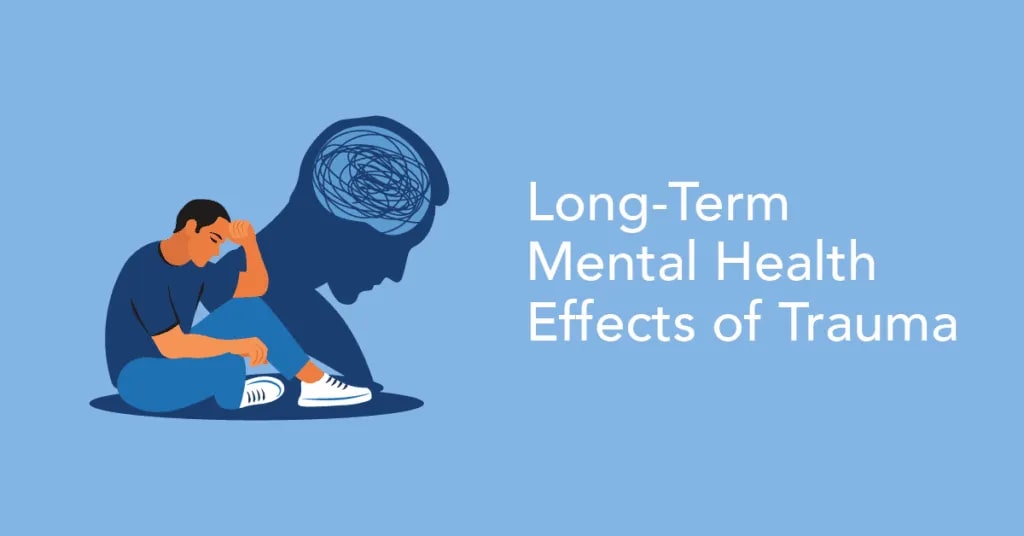
Trauma is not just an emotional experience—it impacts the brain and body deeply. Whether a single occurrence like a car accident or a chronic one like childhood trauma or domestic violence, trauma can alter the functioning of the brain, the nature of our feelings and thoughts regarding our emotions, and the way we respond to stress. Understanding how trauma affects the brain holds the key to its psychological effects and finding optimal treatments.
In this answer, we’ll look at the neurological basis of trauma, how it shapes mental health, and the therapeutic approaches that support healing from trauma-related disorders.
What is Psychological Trauma?
Psychological trauma refers to the emotional response to a deeply distressing or disturbing event. This can include:
Physical or sexual assault
Natural disasters
Serious accidents
War or terrorism
Emotional neglect or abuse
Sudden loss of a loved one
Individuals all react to trauma in unique manners. Some recover with time and care, and some develop trauma-based disorders such as Post-Traumatic Stress Disorder (PTSD), Complex PTSD, or Acute Stress Disorder.
The Effects of Trauma on the Brain
Trauma damages several parts of the brain and brain systems, particularly those that deal with emotion, memory, and the stress response. What follows is a description of the most significant parts of the brain affected:
1. The Amygdala: Fear Center
The amygdala is responsible for threat detection and generating the "fight, flight, or freeze" reaction. The amygdala gets overactive in individuals who have experienced trauma and leads to:
Hypervigilance
Heightened startle response
Intrusive memories and flashbacks
Increased agitation relaxing even in a safe situation
2. The Hippocampus: Memory Processor
The hippocampus helps in creating and recalling memories. Trauma causes the hippocampus to shrink and affect its capacity to distinguish between the past and the present. Because of this, traumatic memories seem to be occurring "now," even though they are in the past.
3. The Prefrontal Cortex: Rational Thinker
Prefrontal cortex is implicated in decision-making, regulation of emotion, and determination of real versus perceived danger. Underactivation of this area through trauma leads to:
Difficulty in the regulation of emotions
Impulsiveness
Inability to concentrate
Inability to distinguish safe from dangerous situations
All these changes lead to a state where the brain gets excessively "stuck" in survival mode when there's no real danger.
Symptoms of Trauma-Related Disorders
Trauma can lead to a range of mental illnesses, especially if left untreated. Most well-known is Post-Traumatic Stress Disorder (PTSD). Most striking symptoms are:
Re-experiencing the trauma through flashbacks, nightmares, or intrusive thoughts
Avoiding cues (people, places, or events)
Changes in mood or thoughts in the form of guilt, shame, or feeling "fchop from others"
Hyperarousal, which includes irritability, insomnia, or being easily startled
When repeated or long-term trauma happens, Complex PTSD (C-PTSD) can follow. This is all the symptoms of PTSD, plus:
Difficulty with regulating one's emotions
Trouble with relationships
Extremely strong feelings of worthlessness
Loss of contact with reality or dissociation
The Need for Early Intervention
Trauma isn't only a mental health issue but also one of physical health. Long-term stress can increase the risk of:
Heart disease
Autoimmune illnesses
Chronic pain
Gastrointestinal problems
Substance abuse disorder
Early intervention and trauma-informed care thus become integral to overall wellness.
Successful Trauma-Related Disorder Treatments
While trauma can be overwhelming, recovery is achievable with the right support. Below are evidence-based treatments that have helped numerous individuals regain their life:
1. Trauma-Focused Cognitive Behavioral Therapy (TF-CBT)
TF-CBT is especially helpful when treating children and adolescents. It combines trauma-sensitive interventions with cognitive-behavioral approaches to help individuals process traumatic memories, replace unhelpful thoughts, and acquire coping skills.
2. Eye Movement Desensitization and Reprocessing (EMDR)
EMDR is a well-structured therapy that allows people to reprocess the traumatic memories using bilateral stimulation (e.g., guided eye movement). It lowers the emotional intensity of the trauma and allows adaptive beliefs to surface. EMDR is backed by large-scale research and is supported by organizations like the WHO.
3. Somatic Experiencing and Body-Based Therapies
Trauma is not only stored in the mind but also within the body. Somatic therapies are interested in releasing tension and a sense of physical safety through working with bodily sensation and reflexes.
4. Dialectical Behavior Therapy (DBT)
DBT helps individuals, especially those with C-PTSD or borderline personality traits, manage overwhelming emotions, reduce self-destructive behavior, and build emotional strength.
5. Medication
Though not an isolated treatment, medication such as SSRIs (e.g., sertraline or paroxetine) can help alleviate depression and anxiety symptoms of PTSD. Prazosin can be employed to treat nightmare trauma in some cases.
6. Group Therapy and Peer Support
Experiences can be enhanced in healing if shared with others. Group therapy normalizes, reduces isolation, and allows sharing of general coping and growth tactics.
7. Mindfulness and Meditation
Mindfulness techniques instruct a person to remain in the present, observe the thoughts without judgment, and calm the nervous system. Techniques like deep breathing, grounding, and body scan are especially helpful in suppressing dissociation and panic.
Creating Safety and Trust in Trauma Recovery
Safety is a critical first step in recovering from trauma, which entails becoming physically, emotionally, and relationally safe. This can include:
Establishing predictable patterns of behavior
Avoiding retraumatizing environments
Working with trauma-sensitive professionals who embrace consent and collaboration
Building safe, supportive relationships
What Does Trauma-Informed Care Look Like?
Trauma-informed care is a care approach that acknowledges the pervasive impact of trauma and strives to create settings of safety, empowerment, and healing. A few of the key principles are:
Safety: Physical and emotional
Trustworthiness: Openness in care
Choice: Clients are collaborative participants
Collaboration: Mutual partnership in decision-making
Empowerment: Strengths-based and resilient
This approach is now standard within schools, hospitals, mental health clinics, and community services.
The Function of Resilience in Healing
Resilience isn't remaining untouched by trauma—it's healing from it. Resilience-promoting factors include:
Supportive relationships
Strong sense of identity and purpose
Coping skills like problem-solving and emotional regulation
Access to mental health resources
Therapy can help individuals build or re-build these protective factors.
Final Thoughts: From Surviving to Thriving
Trauma will change your perspective on the world, but it does not have to control your life. The brain can be healed with the right tools, care, and support. Most individuals not only recover from trauma but also undergo post-traumatic growth—new meaning, more meaningful relationships, and increased capacity.
If you or someone you know is suffering from trauma, reach out for assistance. You don't have to go through it by yourself.
For trauma-informed mental well-being care, visit:
https://www.delhimindclinic.com/
https://www.craftcmsdeveloper.in/
Feel free to reach out to me if you need to change your Craft website or even chat about your Craft project. I'm delighted to have a complimentary consult!
About the Creator
Keep reading
More stories from Naveen Garg and writers in Education and other communities.
How does loss impact mental health, and how is it healthy to cope with loss?
Grief is a mental, extremely personal response to the loss of something or someone significant. It typically follows the death of a loved one but also may follow divorce, miscarriage, loss of employment, loss of an animal, or even substantial life changes like relocation or retirement. Grief extends beyond the heart, to head and body, too. Understanding its effects on mental health—and how to work through it in positive ways—is required for healing.
By Naveen Garg6 months ago in Education
Half Dollars That Defied Time: Kennedy, Franklin & Walking Liberty
If you’ve found yourself holding an old half dollar, you’ve probably wondered: is this just pocket change, or could it be something more? I’ve had that same conversation with countless collectors in my eight years as a numismatist. The answer often hinges on three legendary names: Walking Liberty, Franklin, and Kennedy. More than just silver, these coins are tangible pieces of 20th-century America. This guide will help you understand their stories, values, and which one might be the perfect fit for your goals, whether you're building a collection or an investment.
By Laura Bennett3 days ago in Education
Center Stage with Paul Stewart
*** I'm keen to republish the interviews I did for my series with Vocal creators. It's been a few years and I thought it might be nice to revisit these wonderful conversations. I'll be releasing them one at a time for a few weeks/months.
By Heather Hubler2 days ago in Interview




Comments
There are no comments for this story
Be the first to respond and start the conversation.