Naveen Garg
Stories (243)
Filter by community
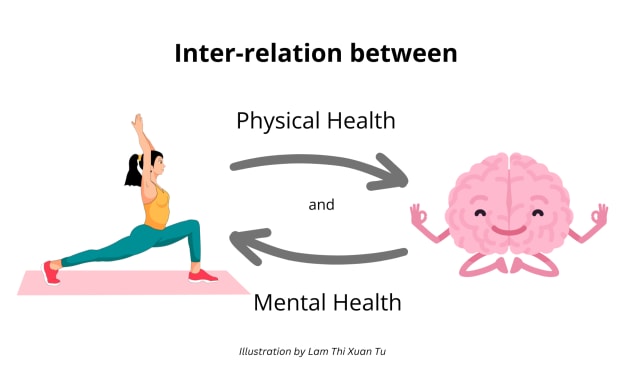
How is exercise and physical activity beneficial to mental health?
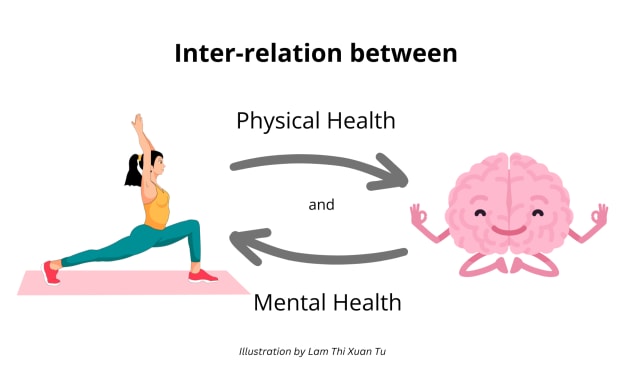
When people think of the term "exercise," they commonly associate it with physical conditioning, weight control, or heart health. Yet, growing evidence suggests that exercise is as powerful for mental well-being. Exercise not only tends to make the body stronger, but also improves mood, reduces stress, softens symptoms of depression and anxiety, and improves brain function.
By Naveen Garg5 months ago in Education
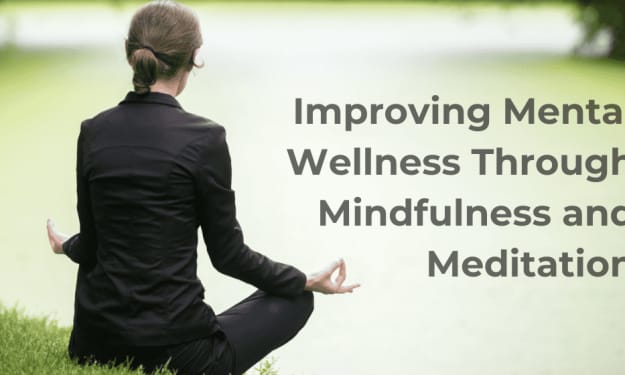
In what ways can meditation and mindfulness contribute to recovery of mental health?
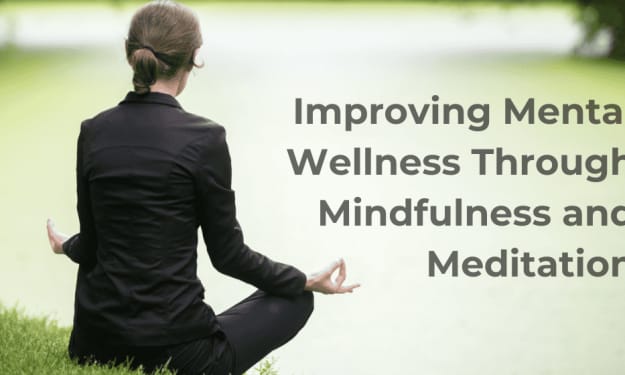
With today's stressful lifestyle, depression, stress, and anxiety are becoming commoner. While medical treatments and therapy are still necessary, more people are now turning towards mindfulness and meditation as auxiliary techniques of regaining mental health. These are old practices endorsed by recent scientific studies, and they are low-cost, convenient, and effective in instilling a healthier mindset towards emotions and thoughts.
By Naveen Garg5 months ago in Education
How do meditation and mindfulness improve mental health, and how can they be incorporated into daily life?
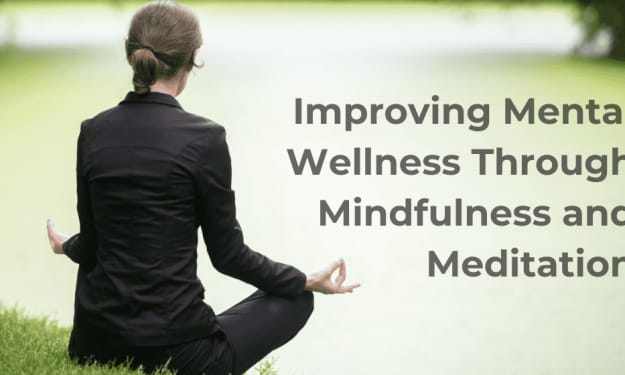
In today's speedy life, stress, anxiety, and constant digital distractions are common issues. It's hard for most people to stay grounded, as their mind drifts between past regrets and future apprehensions. Mind restlessness on a regular basis leads to anxiety, depression, irritability, and even physical health problems. Mindfulness and meditation have emerged as powerful, evidence-based practices that can help to ground, reduce stress levels, and increase mental calm.
By Naveen Garg5 months ago in Education
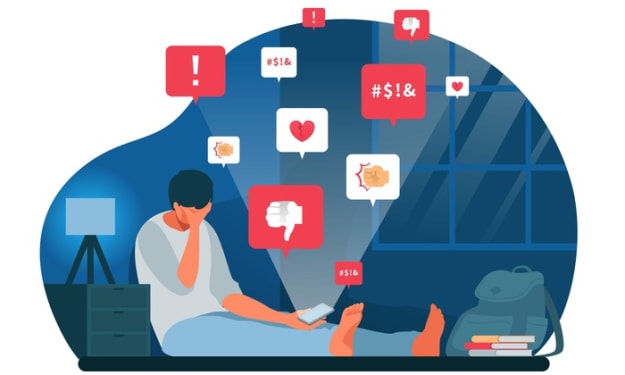
What is the relationship between social media use and mental health, and how can individuals maintain a healthy balance?
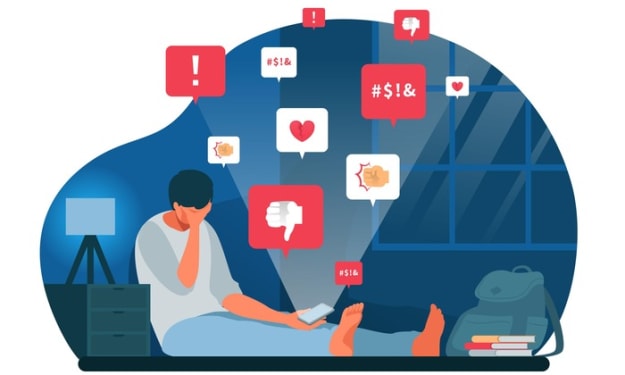
Social media has changed the way people communicate, socialize, and consume information. Facebook, Instagram, Twitter (X), TikTok, and LinkedIn are now a part of daily life. They offer a way to stay in touch with friends, discover new communities, and make posts about life achievements. For most, social media can be empowering, enjoyable, and even educational.
By Naveen Garg5 months ago in Education
How is stress at the workplace affecting mental health, and how can it be controlled effectively?
Work takes a prominent place in most people's lives. It provides economic security, purpose, and stimulation. However, the workplace is also potentially an enormous source of stress. Tight deadlines, high expectations, excessive working hours, job insecurity, conflicts between people, or lack of control over work can all be factors that create incessant stress. While occasional work pressure can be stimulating, chronic workplace stress has long-term effects on mental health, physical health, and quality of life.
By Naveen Garg5 months ago in Education
In what ways does social media have an impact on mental health, both positively and negatively?
Social media is a part of our lives. From glancing at updates in the morning to swiping late at night, social media sites such as Facebook, Instagram, Twitter (X), TikTok, and LinkedIn influence the way we interact, share, and consume the world around us. While social media has brought unprecedented benefits such as global connectivity, immediate access to information, and more channels for self-expression, its impact on mental health is complex. To most people, social media represents a double-edged sword — providing assistance and harming people, depending on use, the material watched, and individual circumstances.
By Naveen Garg5 months ago in Education
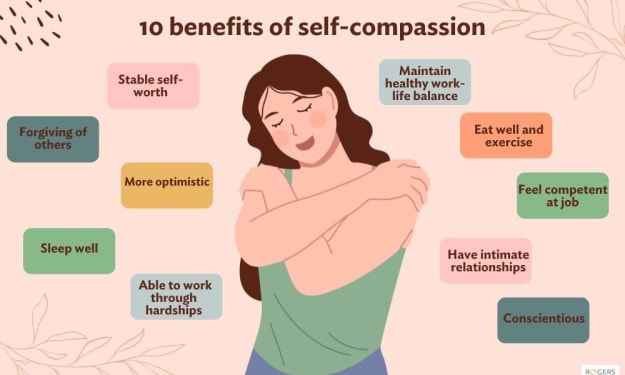
What is the role of self-compassion in good mental health?
In regard to mental health, most individuals prioritize external measures such as stress reduction, therapy, or changing their lifestyle. These are all necessary, but too often a very influential but underused asset is self-compassion. In a culture that too frequently promotes perfectionism, accomplishment, and comparison, self-compassion helps people to accept their flaws, admit when they are struggling, and be kind to themselves instead of self-critical.
By Naveen Garg5 months ago in Education
What is mindfulness' role in improving mental wellness, and how can newcomers start using it in the right manner?
Mindfulness is a well-established, scientifically backed method for improving mental health. Grounded in meditation practices dating back thousands of years—specifically, Buddhist teachings—mindfulness means directing your attention toward what is happening in the present instant with openness, curiosity, and without judgment. With distractions, stress, and mental overwhelm always present in our contemporary world, mindfulness provides a mechanism to slow down, breathe, and re-establish a connection with ourselves.
By Naveen Garg5 months ago in Education
How can regular exercise help improve mental health, and what kinds of activities are most useful?
When most people consider exercise, they focus on its physical dividends—bigger muscles, greater endurance, or weight management. But another very important and frequently overlooked dividend is how it profoundly affects mental health. Exercise can be one of the most effective, inexpensive, and natural ways of lifting mood, reducing stress, and building emotional strength. It could be a Sunday afternoon stroll around the park or a stifling gym session, but exercise has the ability to transform not just your body, but your mind too.
By Naveen Garg5 months ago in Education
Why is mindfulness meditation helpful to mental health, and what are some simple ways to start every day?
Mindfulness meditation has been extremely popular over the last few decades, not as a fad, but as a scientifically verified method that can transform mental health. With historical roots in ancient contemplative practices, mindfulness is the practice of giving complete attention to the current moment—neither judgmentally, distractingly, nor reactionarily. With the pace of today and overstimulation, mindfulness meditation is a practical and simple way to reduce stress, emotions, and build mental toughness.
By Naveen Garg5 months ago in Education
What is the role of physical activity in improved mental well-being, and how does one start a sustainable routine of exercise?
Physical activity is most often linked to a method of improving physical health, but its implications for mental health are no less significant. Exercise can prevent mental illness, reduce symptoms in those already suffering, and improve overall mood, focus, and resilience. Importantly, you need not be a sports star or spend hours in the gym to realize these impacts—small, gradual changes can have an amazing impact.
By Naveen Garg5 months ago in Education
How does social support influence mental health, and how can we establish a supportive network effectively?
Social support—the emotional, practical, and psychological assistance we get from others—is one of the strongest protective factors against mental health. Social support, whether from friends, family members, work colleagues, or community groups, is vital in allowing individuals to manage stress, bounce back from mental health problems, and retain emotional resilience.
By Naveen Garg5 months ago in Education