
How does trauma affect mental health, and how can trauma be healed from?
rauma affect mental health
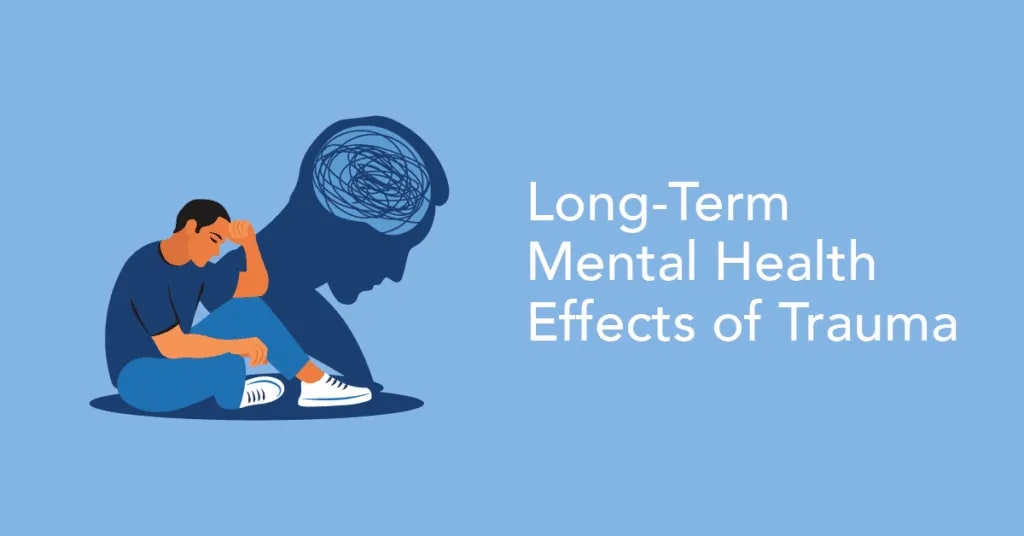
Trauma is a highly distressing or shocking experience that is beyond one's coping mechanism and leaves deep psychological and emotional impressions. No matter if it is the result of a single cataclysmic event (e.g., natural disaster, accident, or assault) or prolonged exposure to distress (e.g., child abuse, domestic violence, or war), trauma profoundly shapes the way people think, feel, and move through the world.
The effects of trauma go deep into the future from the moment that something traumatic happened. In some people, it leads to ongoing mental illness such as post-traumatic stress disorder (PTSD), anxiety, depression, addiction, and relationship problems. And yet, there is a necessity to emphasize that trauma is not a life sentence—working towards healing and recovery is well within the capacity of someone with adequate treatment and therapeutic help.
Understanding Trauma and Its Impact
Trauma occurs to both body and mind. When we've experienced trauma, the body enters fight-or-flight mode. Heart pounding, breath quickens, and adrenaline floods in. This is crucial for survival—but if the trauma was extreme or prolonged, the nervous system may become stuck in survival mode even after the threat has passed.
Types of Trauma:
Acute trauma: One traumatic event (e.g., car accident, assault).
Chronic trauma: Accumulative and protracted events (e.g., child abuse, bullying).
Complex trauma: Multiple, varied exposure to traumatic experiences, normally interpersonal, normally in childhood.
Psychological Reactions to Trauma:
Hypervigilance: Being in a state of constant watchfulness or threat.
Avoidance: Preventing reminders of the trauma, including places, people, or feelings.
Emotional numbness: Feeling disconnected, detached, or "flat" emotionally.
Intrusive thoughts: Flashbacks, nightmares, or intrusive, upsetting memories.
Negative assumptions: Being ashamed, guilty, or believing the world is unsafe.
Disturbance of mood: Anger, irascibility, depression, or anxiety.
Trauma reorganizes brain structures such as the amygdala, hippocampus, and prefrontal cortex, impacting memory, emotion regulation, and decision-making. Trauma survivors thus usually struggle with safety, connection, and control.
Post-Traumatic Stress Disorder (PTSD)
PTSD is an illness of the mind that can be treated and can happen following witnessing or experiencing a traumatic event. Symptoms last more than a month and interfere with normal functioning.
Symptoms of PTSD:
Re-living the experience (nightmares, flashbacks)
Avoiding reminders or triggers
Increased arousal (exaggerated startle response, insomnia)
Thought and mood changes (negative beliefs, detachment)
Not everyone who is exposed to trauma will have PTSD. Prior mental health, support systems, and individual strengths play a role.
Long-Term Effects of Untreated Trauma
Untreated trauma, left untreated, can present in many ways:
Depression and anxiety
Substance use as a coping mechanism
Self-injury or suicidal ideation
Intimacy and trust issues
Shame and low self-esteem
Chronic illnesses, such as pain disorders, fatigue, or gastrointestinal disorders
These long-term effects make it imperative to heal trauma with compassion and urgency.
Pathways to Healing from Trauma
Healing from trauma is not something about forgetting what occurred—it's something about being able to exist with it in a manner that no longer controls your life now. With psychological counseling, emotional nurture, and sometimes medication, one can heal. Healing is a personal process, but the following have been found to be extremely helpful:
1. Trauma-Informed Therapy
Trauma-informed therapy acknowledges the pervasive impact of trauma and emphasizes safety, trust, and empowerment.
Evidence-based treatments that are most often utilized include:
a. Cognitive Behavioral Therapy (CBT)
CBT helps identify and change counterproductive thoughts and behaviors around trauma. It's especially indicated for anxiety and depression caused by trauma.
b. Eye Movement Desensitization and Reprocessing (EMDR)
EMDR is a targeted therapy that processes traumatic memories using bilateral stimulation (such as side-to-side eye movement). It's been demonstrated to reduce PTSD symptoms by a great deal.
c. Somatic Experiencing
The purpose of this therapy is to release tension and trauma within the body and balance the nervous system.
d. Narrative Therapy
Helps individuals redefine their trauma story by detaching from the event and re-establishing identity.
2. Mind-Body Approaches
Because trauma exists in both body and mind, holistic healing approaches are essential.
Mindfulness meditation helps calm the nervous system and cultivate present-moment awareness.
Yoga can increase body awareness, regulate hyperarousal, and reconnect the mind and body.
Breathwork helps balance the nervous system and release emotional tension.
3. Developing Supportive Relationships
Connection is a powerful antidote to trauma. By friends, family, support groups, or therapy, being heard, seen, and validated starts to rebuild trust and restore emotional safety.
Going to trauma support groups—either online or in-person—can make survivors feel less alone and learn from others.
4. Medication
In some cases, medication may be prescribed to alleviate symptoms of trauma, including depression, anxiety, or insomnia. Prazosin (nightmares), antidepressants, or anti-anxiety medication can stabilize emotions and improve the effectiveness of therapy.
Medication is always taken under the care of a trained psychiatrist and is generally best when combined with psychotherapy.
5. Self-Compassion and Empowerment
Trauma tends to strip away one's self-worth. An essential aspect of healing is the recovery of self-compassion and personal power.
Do things that are enjoyable or meaningful.
Mark small successes along the path to recovery.
Affirm and practice gratitude.
Allow yourself to rest and set boundaries.
You are not what happened to you—your narrative contains strength, courage, and hope for renewal.
Barriers to Healing and How to Overcome Them
Some common barriers are:
Shame or stigma towards seeking help
Fear of having to relive painful experiences
Lack of access to trauma-informed care
Minimizing the trauma ("Other people have it worse")
To overcome these, you must:
Locate culturally responsive, trauma-informed providers
Go to therapy at your own speed—healing isn't a straight line
Have spaces where you are safe to disclose your experience without judgment
Remind yourself: your pain is valid, and you are worthy of healing
Conclusion: Hope and Possibility After Trauma
Trauma changes people—but healing transforms them. Despite the sheer magnitude of trauma's effect, it does not have to define the person. With the right tools, support, and care, one can transition from surviving to thriving. Recovery is not amnesia but the reclaiming of your life with strength, purpose, and peace.
If you or someone you know is experiencing the effects of trauma, you are not alone and there is professional support available to help with each step of the way.
For trauma-informed mental health care and compassionate counseling, consider:
https://www.delhimindclinic.com/
https://www.craftcmsdeveloper.in/
Feel free to contact me if you need to update your Craft website or simply want to discuss your Craft project. I'm here for a complimentary consultation!
About the Creator
Keep reading
More stories from Naveen Garg and writers in Education and other communities.
How can mindfulness and meditation improve mental health?
How can mindfulness and meditation improve mental health? In the last few years, mindfulness and meditation have been universally embraced as effective interventions to improve mental health and overall well-being. Originating in ancient contemplative traditions, they have been integrated into modern psychological treatments due to their profound ability to still the mind, reduce stress, and enhance emotional regulation. Understanding how mindfulness and meditation work can provide individuals with the possibility of implementing these techniques in their lives and deriving tremendous benefits.
By Naveen Garg6 months ago in Education
Why Certification Protects Transcription Careers in the Age of AI
Artificial Intelligence has rapidly transformed the transcription industry. Speech-to-text tools now promise instant results, lower costs, and effortless productivity. For businesses focused purely on speed, AI often appears to be the perfect solution. However, beneath this promise lies a critical reality: speed without accuracy creates risk.
By Mahesh Kumar5 days ago in Education
How Japan saved its biggest city from collapse
400 years ago, modern-day Tokyo was known as Edo, and it was already one of the biggest cities in the world, with a population approaching 1 million. However, it was on the verge of ecological collapse. Years of intense logging had led to massive deforestation. The city now faced timber shortages and the impacts of severe erosion and frequent flooding that threatened food supplies. But over just a few decades, Edo will transform and become one of the most sustainable and efficient cities in history.
By Munesh Yadav3 days ago in Education




Comments
There are no comments for this story
Be the first to respond and start the conversation.