Naveen Garg
Stories (243)
Filter by community
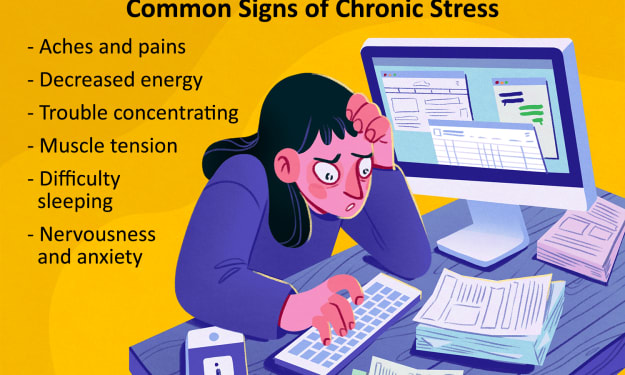
How does chronic stress impact mental and physical health?
Stress is a natural part of life—our body’s way of responding to demands, threats, or challenges. In short bursts, stress can be helpful, sharpening our focus, enhancing performance, and preparing us to face immediate challenges. However, when stress becomes chronic—lasting for weeks, months, or even years—it begins to erode our mental and physical health in profound ways.
By Naveen Garg6 months ago in Education
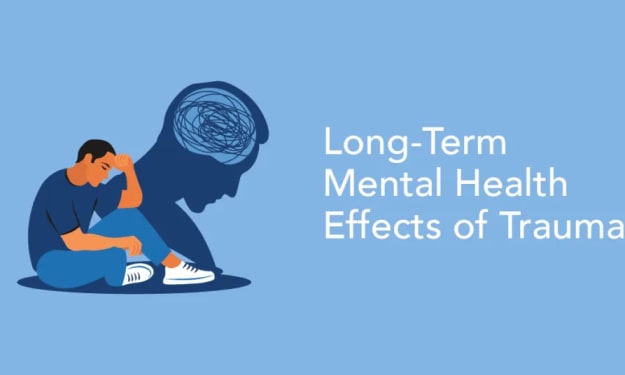
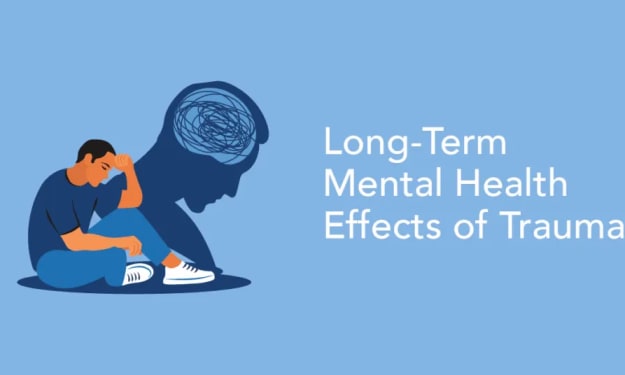
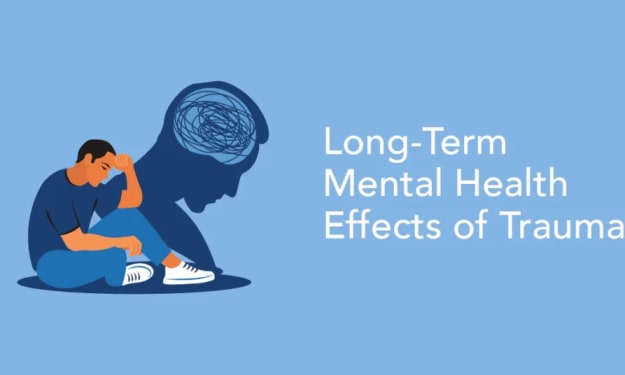
What is the relationship between trauma and mental health disorders?
Trauma is any profoundly disturbing or upsetting experience that overwhelms an individual's capacity to cope, leaving a permanent emotional, psychological, and frequently physical health imprint. Trauma can result from one isolated event—a car accident, tornado, or assault—or from long-term exposure to adversity, such as child abuse, domestic violence, or life in a combat zone.
By Naveen Garg6 months ago in Education
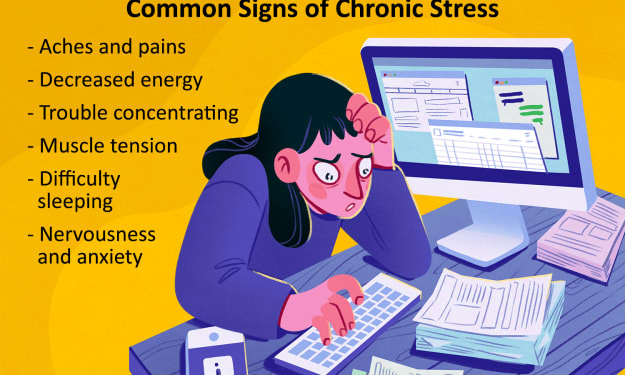
How does chronic stress affect mental health, and what can be done to manage it?
In today's high-stress, high-speed world, chronic stress is almost an epidemic. Unlike acute stress, which is the immediate response to a situation, chronic stress is ongoing and can persist for weeks, months, or years. A little stress is natural and even helpful as a motivator, but when it is prolonged with no interval of relief or relaxation, it becomes dangerous, particularly to mental health.
By Naveen Garg6 months ago in Education
What is the impact of childhood trauma on adult mental health illness?
Childhood is a season of development, exploration, and vulnerability. Formative years are when the mind and body are most vulnerable to experience—negative or positive. If a child witnesses traumatic experiences—abuse, neglect, domestic violence, loss of parent—a child's life can be irrevocably formed by it. In the long run, unresolved childhood trauma tends to lead to the formation of adult mental health disorders by impacting how people view themselves, relate to others, and react to stress.
By Naveen Garg6 months ago in Education
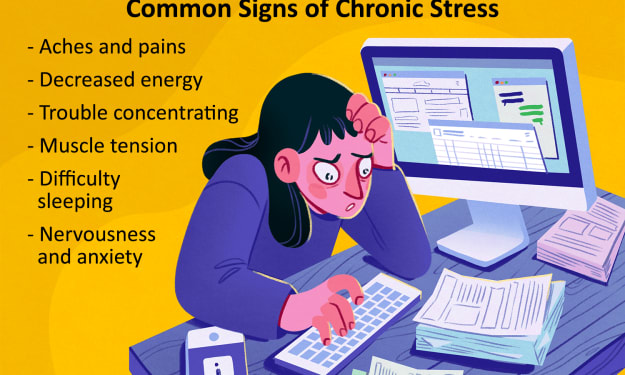
How is chronic stress connected to mental health disorders?
Stress is so much a part of our current high-speed existence that it is hard to imagine how to avoid it. For short durations, stress is not merely beneficial—it gives us focus or boosts performance—but after that, stress is detrimental. As soon as stress becomes chronic, it no longer simply feels claustrophobic; it can be highly detrimental to mental health.
By Naveen Garg6 months ago in Education
How does trauma affect mental health, and what are the recovery pathways?
Trauma is one of the most profound and complex experiences that may characterize an individual's life. It does not only result from war or severe accidents—it may also result from emotional abuse, neglect, loss, or even merely witnessing traumatic events. Its impact on mental health can be profound, long-lasting, and highly individual. Understanding how trauma affects mental health—and the many ways we can heal—is crucial in assisting ourselves and others in healing.
By Naveen Garg6 months ago in Education
What is the lifestyle contribution towards the maintenance of mental health?
What is the lifestyle contribution towards the maintenance of mental health? When we think about mental health, we first think of therapy, medication, or abuse in our life. Absolutely, these are legitimate factors to consider, but sometimes we overlook the every-day choices that seriously influence our psychological well-being—our lifestyle. What we do every day—how we eat, when we sleep, how active we are, and who we spend time with—can feed or kill our mental health.
By Naveen Garg6 months ago in Education
What is the connection between early trauma and adult mental health disorders?
Childhood has been described as a shaping experience—a period when our brains, bodies, and emotional landscape are all in hyper-growth mode. It's in these early years that experiences determine how we experience ourselves, relate to others, and respond to the world. While the positive ones strengthen resilience and self-esteem, negative ones—such as abuse, neglect, or chronic instability—can sow deep, long-term scars. These are collectively known as childhood trauma, and they have a powerful link to an extensive array of adult mental illness.
By Naveen Garg6 months ago in Education
How do mindfulness practices contribute to mental health and emotional well-being?
In the last few years, mindfulness has become a buzzword in the field of mental health, but it is far more than a trend or a buzzword. Based on ancient practices and supported by modern science, mindfulness is a straightforward yet powerful practice that enhances emotional regulation, reduces stress, and contributes to greater overall psychological well-being.
By Naveen Garg6 months ago in Education
How does childhood trauma affect adult mental health, and can it be healed?
Childhood is a time of discovery, growth, and exposure. It dictates how we understand the world, ourselves, and others. When kids are subjected to trauma—abuse, neglect, loss, or repeated stress—they can make profound marks on their developing brains and emotional systems. Although most individuals live their lives ignorant of the magnitude of these wounds, childhood trauma has a way of reverberating into adulthood and shaping behavior, relationships, and mental health in subtle yet significant ways.
By Naveen Garg6 months ago in Education
How does journaling contribute to mental health and emotional healing?
In an age of constant distraction and information overload, journaling is a quiet, reflective haven—a way of stepping back, listening to oneself, and untangling the emotional mysteries of life. Far from a hobby or romantic activity, journaling is a powerful mental health intervention attested to by research as well as by therapeutic tradition.
By Naveen Garg6 months ago in Education
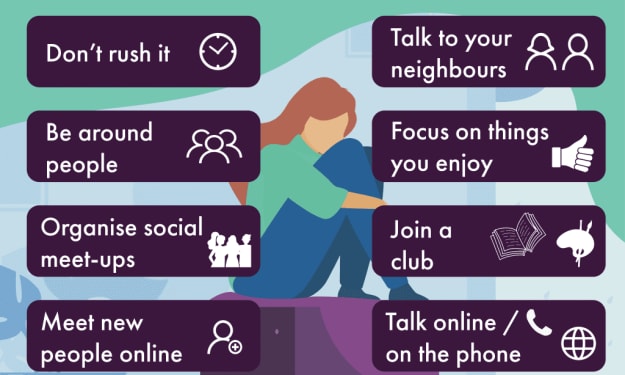
What does loneliness do to the mind, and how do individuals deal with it effectively?
Loneliness is often mistakenly perceived as a temporary emotional condition, something which will pass with the passage of time. But clinical observation and research establish that loneliness can actually be a profound psychological experience—one with a significant impact on mental and physical well-being when it lasts or remains unresolved.
By Naveen Garg6 months ago in Education