
How does trauma influence mental health, and what are the paths to recovery?
trauma influence mental health
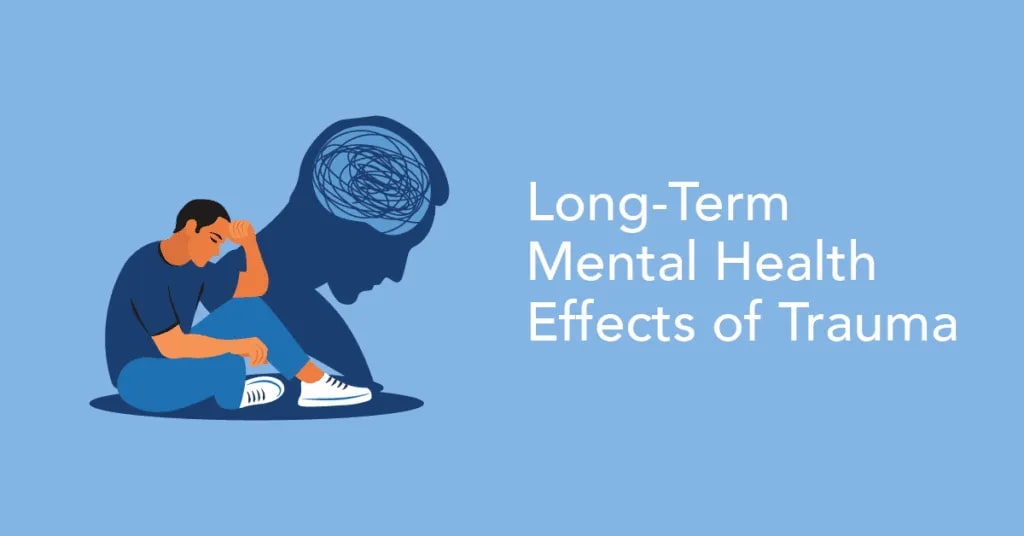
Trauma is an individual and often secret damage. It alters the way people think, feel, relate to others, and perceive the world around them. Whether resulting from a single life-or-death encounter or through a series of painful experiences stretching over time, trauma has a deep impact on mental health. For most people, it remains long after the time of harm, shaping behaviors, emotions, and even biology in ways both subtle and not so subtle.
Understanding how trauma affects mental health—and more importantly, how recovery is possible—is important not only for people who have been traumatized but also for the people who surround them and provide support. This answer will explore what trauma is, its neurological and psychological effects, and the many ways in which people can recover.
What Is Trauma?
Trauma is the psychological and emotional response to one event or series of events that exceeds an individual's ability to cope. It is caused by:
Acute trauma: A singular event such as a motor vehicle accident, rape, natural catastrophe, or finding oneself in the midst of violence.
Chronic trauma: Serial exposure to distress, such as abuse, neglect, or exposure in a combat area.
Complex trauma: Multiple traumatic experiences, often with onset in childhood, that severely compromise development and emotional regulation.
Secondary or vicarious trauma: Emotional aftermath of exposure to others' trauma, common among caregivers, clinicians, and therapists.
All traumatic events don't necessarily result in trauma. Two people may experience the same event and respond in different ways, based on personality, support network, history, and resilience. It's more what the person thinks about the event, not necessarily the event itself.
How Trauma Affects Mental Health
Trauma makes psychological and physiological imprints on one's mind and body. Some of the common effects on mental health include:
1. Post-Traumatic Stress Disorder (PTSD)
PTSD is a treatable mental disorder that can occur after experiencing trauma. Its symptoms are:
Intrusive recollections or flashbacks
Nightmares
Exaggerated startle response or hypervigilance
Emotional detachment or numbness
Avoidance of the trigger
Guilt, shame, or self-blame
PTSD is chronic and disabling if not treated, yet the majority get cured under guidance.
2. Anxiety and Panic Disorders
Trauma usually leads to a heightened state of preparedness. The nervous system becomes "stuck" in survival mode, leading to a state of chronic anxiety, panic attacks, or phobias. Triggers might be unpredictable and lead to intense fear or feeling threatened even in a safe environment.
3. Depression
Trauma can lead to helplessness, hopelessness, and alienation from oneself or others. The states can escalate to clinical depression, especially if the trauma is unresolved or the individual lacks social support.
4. Dissociation
Dissociation is a defense mechanism in which the brain dissociates from the present. Survivors may feel detached from their body, time, or self. In severe cases, it may lead to dissociative disorders like Dissociative Identity Disorder (DID).
5. Self-Harm and Substance Abuse
As a means of dealing with emotional distress, individuals may turn to alcohol, drugs, or self-destructive behaviors. These may alleviate symptoms temporarily but lead to further deterioration in mental health over time.
6. Relationship Challenges
Trauma can influence trust, intimacy, and communication. Survivors may pull away, fear abandonment, or become stuck repeating poor relationship patterns.
How the Brain Responds to Trauma
Trauma isn't just an emotional problem—it alters the brain.
Amygdala: Overactive, so the person is over-sensitive to danger and provokes fight-or-flight reactions.
Hippocampus: Involved in memory and can atrophy, affecting the ability to distinguish between past and present dangers.
Prefrontal Cortex: Handles decision-making and self-regulation of feelings and, under stress, can function less well.
These changes can cause trauma survivors to be "stuck" in survival mode even when they are no longer in danger.
The Path to Healing: A Multifaceted Approach
The better news is, healing from trauma is absolutely possible. Healing isn't "getting over it," but learning to incorporate the traumatic experience in a manner that no longer exceeds the nervous system.
1. Therapy and Counseling
Professional therapy is perhaps the most potent method of healing trauma.
Trauma-Focused Cognitive Behavioral Therapy (TF-CBT): Facilitates individuals to work through and re-conceptualize traumatic memories.
Eye Movement Desensitization and Reprocessing (EMDR): Utilizes directed eye movement to promote reprocessing of traumatic memories.
Somatic Experiencing: Denotes release of physical tension in the body.
Internal Family Systems (IFS): Helps individuals learn about and heal "parts" of the self that were traumatized.
An adequately trained therapist can create a safe, supportive environment where survivors can gradually explore and recover from trauma.
2. Medication
In some cases, medications like antidepressants or anti-anxiety medication may support recovery by managing symptoms. These are generally used in addition to therapy.
3. Mind-Body Techniques
Trauma is not only in the mind but in the body as well. Techniques like:
Yoga
Breathwork
Meditation
Progressive muscle relaxation
Biofeedback
can help manage the nervous system and create a feeling of physical safety.
4. Creative Expression
Art, music, writing, and dance therapy provide non-verbal means of experiencing and expressing painful emotions.
5. Social Support
Healing is very relational. Family, friendship, and community support can restore a sense of belonging and safety. Support groups for trauma survivors can also be effective spaces for mutual recognition.
6. Education and Self-Compassion
Education about trauma can lead survivors to understand that their responses are not indicators of failure or weakness but rather survival mechanisms. Growing self-compassion can begin to counteract the shame and guilt shouldered by many trauma survivors.
What Loved Ones Can Do
If the person you love is processing trauma:
Be patient and nonjudgmental
Respect their triggers and boundaries
Don't say "just get over it" or "that was so long ago"
Encourage professional counseling
Remind them healing is possible and they are not alone
Healing Is a Journey, Not a Destination
Healing from trauma takes time. There will be moments of breakthrough and also moments of setback. Healing isn't always neat and straightforward. But with the right treatment, individuals can move from mere survival to living.
They can trust again, feel safe in their body, and rebuild connection to joy, meaning, and purpose. The pain cannot ever be erased, but it can let go—and survivors can reclaim their identity and future.
For trauma-informed mental health care and professional guidance, visit:
It is fine to reach out to me if you wish to make your Craft website as per your own requirements or simply for communicating about your Craft work. I can provide a free consultation!
About the Creator
Keep reading
More stories from Naveen Garg and writers in Education and other communities.
How can I support a loved one with a mental illness?
Being present for a loved one dealing with mental health is maybe the nicest and most worthwhile thing you can do. It's also one of the most difficult emotionally. You may feel lost, overwhelmed, fearful of making a mistake, or unclear about how to be helpful without being controlling. These are all normal responses. But with some experience, your presence and support can be of vital assistance to your loved one's recovery.
By Naveen Garg6 months ago in Education
Turning a History Lesson Into an Escape Room Game
History is often taught through lectures, textbooks, and timelines — methods that can feel dry and distant. But what if students could experience history instead of just reading about it? One of the most engaging ways to do this is by transforming a history lesson into an escape room game. This interactive approach combines problem-solving, teamwork, and storytelling to make history memorable and exciting.
By Games Mode On16 minutes ago in Education
What to Eat (And Avoid) During Colon Cancer Treatment: A Nutritionist-Approved Guide
When undergoing colon cancer treatment, your diet is more important than ever. The right nutrition can support your immune system, reduce side effects, and even enhance the effectiveness of treatments like chemotherapy and radiation. But knowing what to eat and what to avoid can be overwhelming.
By Erika Phillips 7 days ago in Education



Comments
There are no comments for this story
Be the first to respond and start the conversation.