
How can I support a loved one with a mental illness?
support a loved one with a mental illness

Being present for a loved one dealing with mental health is maybe the nicest and most worthwhile thing you can do. It's also one of the most difficult emotionally. You may feel lost, overwhelmed, fearful of making a mistake, or unclear about how to be helpful without being controlling. These are all normal responses. But with some experience, your presence and support can be of vital assistance to your loved one's recovery.
Mental health struggles often bring feelings of shame, isolation, confusion, and fear. When someone has the consistent support of even one understanding person, it can reduce the severity of their symptoms, improve treatment outcomes, and restore hope. In this guide, we’ll explore how to support someone experiencing mental health issues—respectfully, effectively, and compassionately.
Recognizing the Signs
Your assistance begins with knowing. A few of the warning signs that someone is struggling with their mental health include:
Stepping away from friends, family, or activities they previously enjoyed
Sleep changes (sleeping too much or insomnia)
Change in appetite or weight
Mood swings, irritability, or flatness
Trouble with concentrating or making decisions
Forgetting about personal care or responsibilities
Speaking about feeling hopeless, worthless, or like a burden
Speaking about suicidal thoughts, even indirectly
It is also important to remember that not every mental illness is visible. Some people hide their symptoms because they are afraid, ashamed, or do not want to "burden" others. If you feel like someone is having a tough time, trust your judgment.
Start the Conversation with Compassion
Starting a conversation around mental health is something that you should do gently. You don't have to have all the solutions—you just need to demonstrate that you care and that you are listening.
Beginning the Conversation:
Get a quiet, private setting
Say from concern, not judgment
Use "I" statements:
"I've noticed you've been looking really down lately, and I just wanted to check in. How are you doing?"
Don't attempt to "fix" them immediately
If they don't open immediately, remain patient
The most frequently, simply asking, "How can I serve you best now?" will contribute to deeper connection.
Listen Without Judgment
When the person begins to open up, the most empowering act you can perform is listening deeply. This involves:
Being present fully
Letting them share without interrupting
Avoid minimizing responses like "it's not so bad" or "just be positive"
Acknowledging that their feelings are valid even if you don't necessarily understand them
Empathizing, not advising
Phrases like "That sounds really tough" or "I'm with you in this" can be a huge relief and reassurance.
Encourage Professional Help—Gently
While emotional support is wonderful, professional help is usually required for mental illness. Offering therapy or medical intervention to your loved one can be a lifesaver—but nonjudgmental and without pressure.
How to Suggest Treatment Respectfully:
"I care about you, and I think you deserve to have someone professionally trained to deal with this."
"Seeing a therapist helped me, and I think it could help you too.".
Help them locate resources, accompany them to appointments, or help with scheduling if they are too overwhelmed.
Do not insist if they decline assistance at first. Keep offering and following up when appropriate.
Respect Their Autonomy
To assist someone does not mean you are going to do their life for them. Mental illness makes some people feel very helpless. Being able to respect their autonomy is one of the most empowering things that you can do:
Allow them to make choices themselves, even if you do not agree
Do not give unwanted advice
Ask them if you can help: "Would it be okay if I helped with…?"
Compliment little steps towards recovery that they take
Your role is to walk with them—not shove or pull them.
Learn About Their Condition
Learning about your loved one's condition reduces stigma, increases empathy, and enables you to be a better ally. If your loved one has depression, anxiety, bipolar disorder, PTSD, or schizophrenia, learning about symptoms, treatment, and triggers can be extremely helpful.
You don't have to be a mental health specialist, but knowing a little bit helps.
Be a Rock-Solid and Reliabe Presence
Mental illness sufferers tend to be alone or think they are a burden. Consistency indicates your presence isn't contingent on them "getting better" immediately.
How to be present:
Scheduled check-ins (a call, text, or visit)
Invite them into plans, even if they tend to reject you
Remind them you're not going away
Regardless of how far away or cranky they become, your patience creates safety and security.
Set Boundaries and Take Care of Yourself
Caring for someone else does not include ignoring yourself. It's acceptable to:
* Establish limits when their behavior is hurtful or suffocating
* Say no when you need to
* Meet your own physical and emotional needs
* Go to therapy or a caregiver support group
* Burnout is not working for you—or for them. You can and must protect your energy without being unloving and unavailable.
Know When to Call Emergency Services
When your loved one is talking about suicidal ideation, self-harm, or harming others, it's real.
Warning signs are:
Talking about death or dying
An unusual calm after a period of upset (which might mean finality)
Giving away belongings
Making a plan or procuring the means
During an emergency, do not leave them alone. Call a mental health crisis hotline or take them to the closest emergency room. In India, you may call the following helplines:
iCall: +91 9152987821
AASRA: +91 9820466726
Celebrate Progress, Not Perfection
Healing is not linear. There will be peaks and troughs. Progress might resemble:
Getting out of bed when you're having a crappy day
Going for a single session of therapy
Calling or texting to talk
Expressing emotions instead of bottling them up
Acknowledge these moments. Let your loved one remember their strength and resilience—when they themselves can no longer perceive it.
Conclusion: Your Support Is More Than You Know
Being there for someone dealing with mental illness isn't saving them—it's being there, day after day, and without judgment. It's helping them feel like they don't need to go through it by themselves, that their feelings are valid, and that there is hope.
Your time, patience, and kindness are often a lifeline. It is not going to be easy all the time, but your care can be the solid foundation upon which your loved one can begin to believe in healing, hope, and a future away from their current anguish.
For professional mental health care and counseling, check out:
https://www.delhimindclinic.com/
https://www.craftcmsdeveloper.in/
Don't hesitate to get in touch with me if you require your Craft website altered or simply want to chat about your Craft project. I'd be glad to provide you with a free consultation!
About the Creator
Keep reading
More stories from Naveen Garg and writers in Education and other communities.
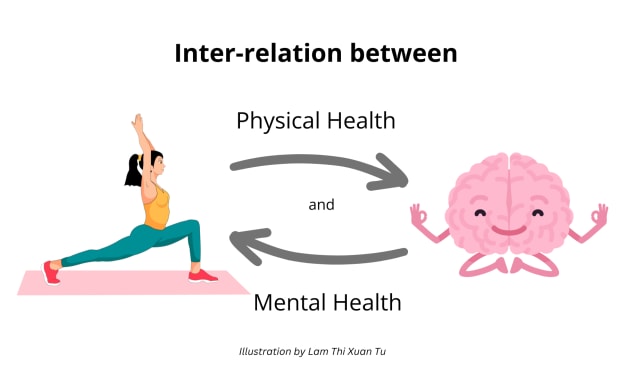
How does physical health relate to mental health, and why are both so important to manage?
The interdependence between mental and physical health is profound. In the past, the medical community treated mind and body as different systems. Now, contemporary science and clinical practice affirm what many have experienced intuitively for a long time: physical and mental health are not separate but interconnected, and each affects the other profoundly. When one is afflicted, the other tends to follow—and when one heals, it can contribute to healing on a larger scale.
By Naveen Garg6 months ago in Education



Comments
There are no comments for this story
Be the first to respond and start the conversation.