
What is the lifestyle contribution towards the maintenance of mental health?
lifestyle contribution towards the maintenance of mental health
What is the lifestyle contribution towards the maintenance of mental health?
When we think about mental health, we first think of therapy, medication, or abuse in our life. Absolutely, these are legitimate factors to consider, but sometimes we overlook the every-day choices that seriously influence our psychological well-being—our lifestyle. What we do every day—how we eat, when we sleep, how active we are, and who we spend time with—can feed or kill our mental health.
This is particularly empowering as, though we cannot always control the external world, we can make mindful choices to create life-style changes that increase our emotional resilience, stability of mood, and general mental well-being.
Understanding the intricate interaction between lifestyle and mental health in attaining long-term emotional well-being is essential. Rather than perceiving mental health as illness and symptoms, a lifestyle perspective invites us to approach self-nurturing in an active and holistic manner.
How Lifestyle Impacts Mental Health
Mind and body are not separate. Modern science increasingly validates what the ancient philosophies have long taught: psychological and physical health share much in common. Lifestyle factors such as diet, sleep, exercise, social support, and stress reduction are all significant determinants of psychological health.
Let's examine the most significant aspects of lifestyle that impact mental health:
1. Nutrition and Mental Health
"You are what you eat" is more than an aphorism-it's a scientifically verified fact. The brain is an energy expensive organ, using around 20% of the energy used by the body. It needs a permanent flow of nutrients to work properly.
Significant Nutritional Factors:
Omega-3 fatty acids (in fatty fish, flaxseeds): They help reduce inflammation and help keep the brain healthy.
B-vitamins, especially B6, B12, and folate: These play a crucial role in neurotransmitter synthesis.
Magnesium and zinc: Linked to lower levels of depression and anxiety.
Digestive health: A newly emerging area of study known as the gut-brain axis suggests that imbalance of gut microbiota can influence mood and thinking.
Processed food, sweets, and excess caffeine or alcohol can induce anxiety, worsen depressive moods, and dampen focus.
Daily life tips:
Eat a variety of fruits and vegetables daily.
Steer clear of processed food and sugars.
Include fermented foods (kimchi, yogurt, kefir) to support gut health.
2. Exercise
Exercise is not just physical health—it's a highly potent natural treatment for mental illness.
Benefits of Regular Exercise:
Enhances release of endorphins, the natural mood boosters of the body.
Promotes neuroplasticity, enhancing stress resilience and learning.
Supports sleep and energizes.
Reduces depression, anxiety, and ADHD symptoms.
You don't need a gym membership or strict regimes to feel good. Even 20-minute home walking or dancing can boost mood and clear mental fog.
3. Sleep Hygiene
Sleep is the foundation of emotional regulation and thinking function. Intermittent sleep is cause and effect of mental disorder.
Sleep Deprivation Can Lead to:
Heightened irritability and mood swings.
Poor memory and decision-making.
Greater susceptibility to anxiety and depression.
Sleep Hygiene Strategies
Go to bed and rise at regular times.
Take a break from screens an hour or more before bedtime.
Make the sleeping area dark, cool, and calm.
Avoid caffeine after midday.
As sleep enhances, individuals tend to find they have improved concentration, more stable moods, and greater motivation for routine activities.
4. Stress Management
Some stress is unavoidable, but chronic stress can ruin mental and physical health. It increases cortisol levels, changes brain structure, suppresses the immune system, and exacerbates underlying mental health problems.
Effective Methods for Stress Management:
Mindfulness meditation: Trains the mind to remain in the present.
Deep breathing and progressive muscle relaxation: Activates the parasympathetic nervous system.
Journaling: Provides emotional release and insight.
Being outdoors: Lowers stress hormones and improves mood.
Carving out time to relieve stress is not a privilege—it's an investment in long-term mental health.
5. Social Connection and Support
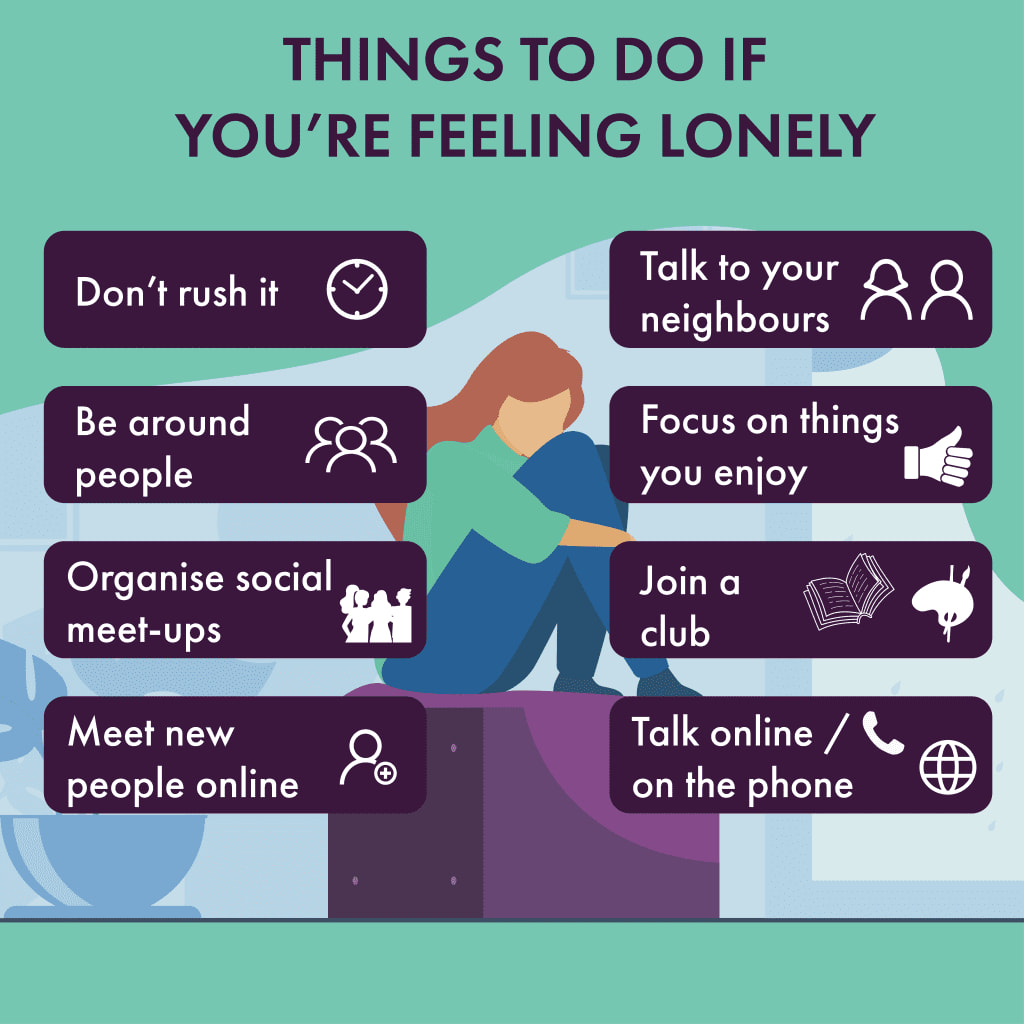
Humans are social animals. One supportive, trusting relationship is one of the strongest predictors of emotional well-being.
Loneliness is presently being conceptualized as a public health condition and has been linked with:
Increased risk of depression and anxiety.
Weaker immune function.
Higher rates of cognitive decline in later life.
Ways to Strengthen Connection:
Schedule regular check-ins with loved ones.
Go to a club, support group, or hobby class.
Volunteer or do community service.
Limit time spent with toxic or overly critical others.
Resilience and stress buffering are done by being heard and appreciated by others.
6. Digital Wellness
With smartphones and pervasive connectivity comes the need for digital hygiene and mental health. Mindless scrolling, viewing distressing news, and social media comparisons lead to increased anxiety, depression, and insomnia.
Tips for Healthy Digital Use:
Set screen time limits and use application blockers if necessary.
Build a social media feed filled with good and informative content.
Establish tech-free time, especially before bed.
Be mindful of "doomscrolling" habits.
Setting limits with technology can reduce overstimulation and promote emotional balance.
7. Use of substances
Alcohol, nicotine, or illegal drugs may seem like a quick solution to repairing emotional pain, but they usually make mental illness worse in the long run.
Hazards Include:
Aggravating symptoms of depression or anxiety.
Disrupted sleep and appetite.
Addiction or dependence.
Risk of psychosis in vulnerable individuals.
If drug or alcohol use has interfered with your life, then seeking the help of a mental health or addiction treatment professional will likely be very beneficial.
8. Meaning and Purpose
Engaging in activities having meaning—be that through art, volunteering, spirituality, or meaningful work—greatly enhances psychological well-being.
Purpose gives one meaning for waking up in the morning, to bear the trials and tribulations of life, and to be an anchor in values.
Making Lifestyle Changes: A Gentle Approach
Shifting habits is hard, particularly when you're already struggling with your mental health. Begin small. Instead of fundamentally transforming your whole routine, work toward making one or two tiny changes.
Keep in mind:
Progress isn't linear.
Setbacks are inevitable.
Self-kindness is necessary.
Instead of criticizing yourself for not doing what you're not doing, honor every move you make toward improved health. Even tiny changes can create momentum over the long run.
When Lifestyle Isn't Enough
Lifestyle changes are highly effective, but no substitute for professional care—especially in an individual suffering from moderate to severe mental illness. Therapy, medication, and psychiatric care are all suitable and useful options.
The best outcomes typically come about through a combined effort, which couples evidence-based treatment with lifestyle changes for promoting long-term recovery and resilience.
Conclusion: Your Daily Choices Matter
Mental wellness is not the absence of illness—it's a condition of well-being that allows us to manage life's pressures, work effectively, and make meaningful contributions to society around us. Our way of life is critical to achieving and sustaining this condition.
By paying attention to the way we eat, sleep, move, connect, and rest, we're giving our minds the supportive environment they need to flourish. You don't need to be perfect. You simply need to be aware.
Making a commitment to live a mentally healthy lifestyle is a process—and one of the most powerful vows you can make to yourself.
If you require help or advice on how to improve your mental health, do check out:
https://www.delhimindclinic.com/
https://www.craftcmsdeveloper.in/
Feel free to reach out to me if you wish to modify your Craft website or simply wish to discuss your Craft project. I am available for a free consultation!
About the Creator
Keep reading
More stories from Naveen Garg and writers in Education and other communities.
What is the connection between early trauma and adult mental health disorders?
Childhood has been described as a shaping experience—a period when our brains, bodies, and emotional landscape are all in hyper-growth mode. It's in these early years that experiences determine how we experience ourselves, relate to others, and respond to the world. While the positive ones strengthen resilience and self-esteem, negative ones—such as abuse, neglect, or chronic instability—can sow deep, long-term scars. These are collectively known as childhood trauma, and they have a powerful link to an extensive array of adult mental illness.
By Naveen Garg6 months ago in Education
Speak and Be Heard: A Beginner’s Guide to Becoming a Podcast Host and Growing Your Audience
Becoming a podcast host is an exciting way to share your ideas, inspire others, and build a strong community. Whether you want to teach, entertain, or have great conversations, podcasting gives you a voice that can reach people around the world. But starting a podcast and growing an audience takes more than just a microphone. It requires planning, patience, and a real connection with your listeners. In this guide, you'll learn how to become a podcast host and grow your audience step by step.
By Spencer Hakimian5 days ago in Education


Comments
There are no comments for this story
Be the first to respond and start the conversation.