
How does chronic stress impact mental and physical health?
chronic stress impact mental and physical health
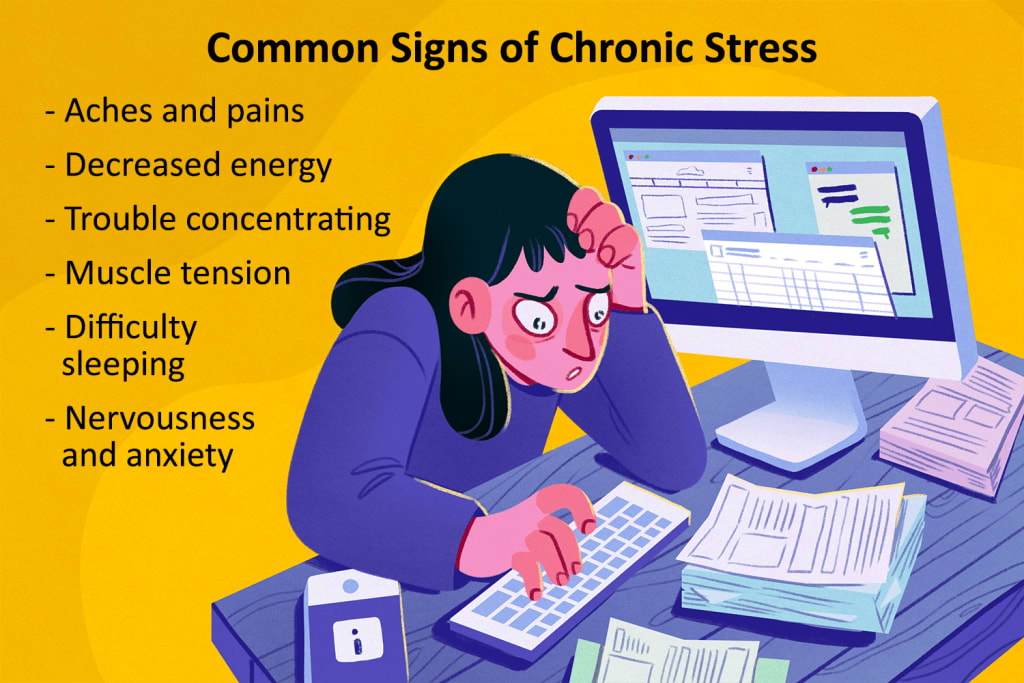
Stress is a natural part of life—our body’s way of responding to demands, threats, or challenges. In short bursts, stress can be helpful, sharpening our focus, enhancing performance, and preparing us to face immediate challenges. However, when stress becomes chronic—lasting for weeks, months, or even years—it begins to erode our mental and physical health in profound ways.
Chronic stress is not just about feeling overwhelmed occasionally. It’s a constant state of tension that keeps the body’s fight-or-flight system activated, which over time can dysregulate critical biological systems, weaken resilience, and trigger or worsen a range of mental health conditions. Understanding how chronic stress operates, what it does to the body and brain, and how to manage it is essential for long-term well-being.
What is Chronic Stress?
Chronic stress arises when the perceived threat or pressure is unrelenting—whether from financial instability, ongoing work pressure, relationship difficulties, caregiving responsibilities, or unresolved trauma. Unlike acute stress, which fades once the challenge passes, chronic stress lingers and becomes embedded in daily life.
Common sources include:
High-pressure jobs or toxic work environments
Long-term caregiving (e.g., for a sick relative)
Ongoing interpersonal conflict or abuse
Living in poverty or unsafe communities
Discrimination and social injustice
Chronic illness or pain
Academic pressure or burnout
The body is designed to respond to stress in short, manageable bursts—not sustained activation. When stress persists, it begins to alter the functioning of the brain, immune system, digestive system, cardiovascular system, and endocrine system, with significant consequences.
The Mental Health Effects of Chronic Stress
1. Anxiety Disorders
When the brain is under continuous stress, the amygdala (responsible for detecting danger) becomes overactive. This leads to:
Constant worry or fear
Panic attacks
Trouble concentrating
Muscle tension or restlessness
Chronic stress teaches the brain to stay in a heightened state of alert, often resulting in generalized anxiety disorder (GAD) or panic disorder.
2. Depression
Prolonged stress can deplete the brain’s supply of dopamine, serotonin, and norepinephrine—neurotransmitters responsible for mood regulation. This can result in:
Persistent sadness or irritability
Loss of interest or motivation
Fatigue and hopelessness
Feelings of guilt or worthlessness
Stress-induced depression may also increase the risk of substance abuse or suicidal thoughts if left untreated.
3. Burnout
A condition particularly associated with work-related chronic stress, burnout is marked by:
Emotional exhaustion
Depersonalization (feeling detached or cynical)
Reduced sense of accomplishment
Burnout impacts not just mental health but also performance, relationships, and physical well-being.
4. Sleep Disorders
Chronic stress disrupts the sleep-wake cycle by increasing cortisol and adrenaline levels. This can cause:
Insomnia
Nightmares or vivid dreams
Difficulty falling or staying asleep
Daytime fatigue or drowsiness
Poor sleep further exacerbates stress, creating a vicious cycle that undermines mental clarity and emotional resilience.
5. Cognitive Impairment
Stress affects the prefrontal cortex—the part of the brain responsible for reasoning, planning, and decision-making. Chronic stress can lead to:
Forgetfulness
Difficulty concentrating
Poor judgment
Indecisiveness
Over time, this cognitive fog can impair work performance and self-confidence.
The Physical Health Effects of Chronic Stress
The mind and body are deeply interconnected, and chronic psychological stress manifests physically in many ways:
1. Cardiovascular Issues
Stress causes the heart rate and blood pressure to rise, and in the long term, this increases the risk of:
Hypertension
Heart disease
Heart attacks
Strokes
Inflammation triggered by stress hormones also contributes to arterial damage.
2. Weakened Immune System
Cortisol, the stress hormone, suppresses immune function. As a result, people under chronic stress may:
Fall sick more often
Experience slow wound healing
Suffer frequent infections or cold sores
Chronic stress is even linked to autoimmune diseases.
3. Gastrointestinal Distress
The gut and brain share a strong connection via the gut-brain axis. Stress can lead to:
Nausea or stomach aches
Diarrhea or constipation
Acid reflux or ulcers
Flare-ups in IBS (Irritable Bowel Syndrome)
Emotional turmoil can directly impact digestion and nutrient absorption.
4. Hormonal Imbalance
Chronic stress disrupts hormonal equilibrium, which may result in:
Irregular menstrual cycles or fertility problems
Thyroid dysfunction
Blood sugar instability
Stress is also a known risk factor for type 2 diabetes due to its effect on insulin resistance.
5. Chronic Pain and Fatigue
Muscle tension, often caused by stress, can lead to:
Headaches
Back and neck pain
Fibromyalgia symptoms
Persistent fatigue or chronic fatigue syndrome (CFS) is also commonly reported among people under constant stress.
How to Manage and Reduce Chronic Stress
While we cannot eliminate all stressors in life, we can change how we respond to them. Managing chronic stress requires consistent self-care, boundary setting, and sometimes professional help.
1. Mindfulness and Meditation
Practices like mindfulness-based stress reduction (MBSR), yoga, or breathing exercises can activate the parasympathetic nervous system, shifting the body into a calm state.
Even 10–15 minutes a day of focused breathing or mindfulness can significantly reduce stress hormones.
2. Physical Activity
Exercise is a proven stress reliever. It boosts endorphins (the body’s natural mood enhancers) and improves sleep and energy levels. Activities like walking, cycling, dancing, or swimming can help discharge physical tension.
3. Healthy Boundaries
Stress often results from taking on too much. Learning to say “no,” setting limits at work, or carving out time for oneself is vital.
Boundaries protect mental energy and promote balance.
4. Social Support
Talking to a trusted friend, family member, or support group reduces the emotional burden. Connection is a buffer against stress.
Even brief, positive social interactions can calm the nervous system and remind us we’re not alone.
5. Therapy and Counseling
Cognitive Behavioral Therapy (CBT), trauma therapy, or stress-focused counseling can help reframe unhelpful thought patterns, resolve deeper issues, and provide coping tools.
If chronic stress has led to anxiety, depression, or other disorders, therapy is a powerful step toward healing.
6. Lifestyle Adjustments
Sleep: Aim for 7–9 hours of restful sleep each night.
Nutrition: Eat a balanced diet rich in whole foods, omega-3s, and hydration.
Limiting stimulants: Reduce caffeine, sugar, alcohol, and screen time—especially before bed.
Relaxation hobbies: Reading, music, gardening, or art can provide mental rest.
When to Seek Help
If chronic stress begins to interfere with your relationships, work, sleep, physical health, or emotional well-being, it’s time to seek professional support. You don’t have to “tough it out” or wait until burnout becomes a crisis.
Mental health professionals can help you understand the sources of your stress, teach effective coping strategies, and support long-term resilience.
Hope and Healing Are Possible
Chronic stress is serious—but it is also manageable. With awareness, healthy choices, and support, you can rewire your body’s stress response, reclaim your peace of mind, and live a more balanced, fulfilling life. Remember, your well-being matters, and investing in your mental health is one of the most empowering decisions you can make.
For expert mental health care and stress management support, visit:
https://www.delhimindclinic.com/
https://www.craftcmsdeveloper.in/
Feel free to reach out if you'd like to make changes to your Craft website or simply chat about your Craft project. I'm available for a free consultation!
About the Creator
Keep reading
More stories from Naveen Garg and writers in Education and other communities.
What is the relationship between trauma and mental health disorders?
Trauma is any profoundly disturbing or upsetting experience that overwhelms an individual's capacity to cope, leaving a permanent emotional, psychological, and frequently physical health imprint. Trauma can result from one isolated event—a car accident, tornado, or assault—or from long-term exposure to adversity, such as child abuse, domestic violence, or life in a combat zone.
By Naveen Garg6 months ago in Education
Top 10 Essential Skills for Success in 2026
By 2026, the job market is no longer driven only by degrees or titles. Technology, especially Artificial Intelligence (AI), automation, and remote work, has changed how companies operate and how people work. Many routine tasks are now handled by machines, while humans are expected to do work that requires thinking, judgment, creativity, and emotional understanding. This shift means that skills — not just education — determine success. The following 10 skills are considered essential for 2026 because they combine technology awareness with human intelligence. Let’s understand them one by one, step by step.
By Talha khan5 days ago in Education


Comments
There are no comments for this story
Be the first to respond and start the conversation.