
How does chronic stress affect mental health, and what can be done to manage it?
chronic stress affect mental health
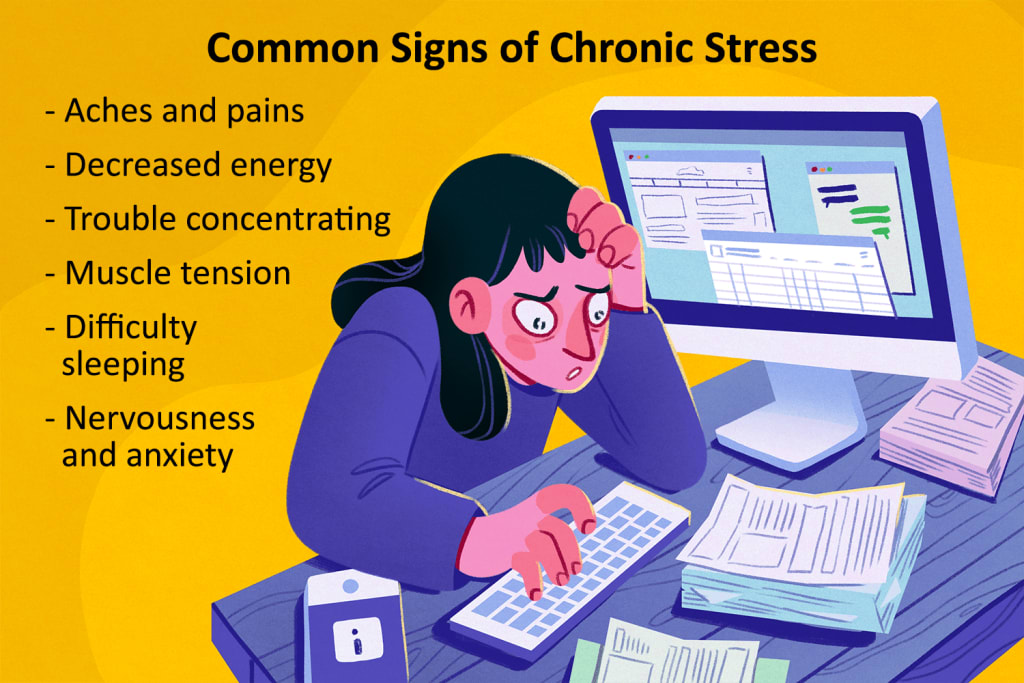
In today's high-stress, high-speed world, chronic stress is almost an epidemic. Unlike acute stress, which is the immediate response to a situation, chronic stress is ongoing and can persist for weeks, months, or years. A little stress is natural and even helpful as a motivator, but when it is prolonged with no interval of relief or relaxation, it becomes dangerous, particularly to mental health.
Chronic stress subtly undermines well-being, impacting thoughts, emotions, behavior, and even physical health. It can alter brain chemistry, impair decision-making, disrupt sleep, lower immune function, and predispose one to mental health conditions such as anxiety, depression, and burnout. Yet, although it is so widespread, many people normalize stress or minimize its intensity.
It is essential to understand the expense of chronic stress and know practical strategies for managing it in order to build resilience, protect mental health, and improve the quality of life.
What Is Chronic Stress?
Chronic stress occurs when the body's stress response system is activated repeatedly, rather than returning to a state of balance after a threat has disappeared. It is often brought on by situations that appear uncontrollable or never-ending, such as:
Financial difficulties
Job loss or abusive work conditions
Family conflict or taking care of a chronically ill family member
Academic pressure
Chronic illness
Unresolved trauma or personal loss
In all of these situations, the body and mind remain in a state of hyperarousal, perpetually bracing for threat, with no obvious opportunity to rest and recover. The prolonged activation is corrosive over time.
The Physiological Effect of Chronic Stress
When one is stressed, the brain triggers the release of cortisol and adrenaline—hormones that gear the body up for "fight or flight." In the short term, this is helpful. But in the case of chronic stress, these hormones stay high and have a number of ill effects:
Impaired immune function: Making one more vulnerable to infections
Higher blood pressure and heart rate: Increasing the risk of cardiovascular issues
Muscle tension: Causing pain, headaches, or fatigue
Sleep disorders: Leading to insomnia or restless sleep
Digestive issues: Including acid reflux, IBS, and appetite changes
Importantly, chronic stress also alters brain structure and function, particularly in areas like the amygdala, hippocampus, and prefrontal cortex. Such alterations can impact memory, increase emotional reactivity, and compromise logical decision-making, setting the stage for a variety of mental health issues.
Mental Health Disorders Linked to Chronic Stress
1. Anxiety Disorders
Chronic stress leads to a state of hyperarousal that can evolve into generalized anxiety disorder (GAD), panic attacks, or phobias. People can become persistently anxious, obsessed with worry, or experience physical symptoms like racing heartbeat, sweating, and shortness of breath.
2. Depression
Chronic stress usually makes way for depressive symptoms that resemble:
Feelings of hopelessness or helplessness
Loss of interest in activities that were previously enjoyable
Irritability, exhaustion, and lack of motivation
Appetite or sleep disturbance
Long-term, the constant erosion of mental and emotional resources can leave a person feeling empty and numb.
3. Burnout
Found frequently in high-stress jobs and caregiving roles, burnout is a condition of emotional, physical, and mental exhaustion caused by long-term stress. It is characterized by:
Emotional detachment or cynicism
Reduced performance and productivity
Feelings of ineffectiveness or failure
Burnout is being addressed as a serious concern by mental health professionals and is distinct from regular fatigue.
4. Substance Use Disorders
Some individuals handle chronic stress by using alcohol, drugs, or prescription medications, which leads to dependence and further mental deterioration.
5. Cognitive Impairments
Stress influences memory, concentration, and problem-solving abilities. In the long term, individuals discover that they are less capable of concentrating, learning, or recalling things.
Signs and Symptoms of Chronic Stress
Becoming familiar with the symptoms of chronic stress is the first step to recovery. Symptoms may be:
Restlessness or agitation
Fatigue, even after relaxation
Difficulty concentrating or making decisions
Disturbances in sleeping
Mood swings or irritability
Avoiding social contact
Physical complaints without medical basis (e.g., stomach ache, headaches)
Since these symptoms also coincide with other mental illnesses, it's better to consult a healthcare professional if they continue or worsen.
Treating Chronic Stress: Recovery and Resilience Strategies
Luckily, chronic stress can be managed—and even reversed—through conscious effort and assistance. The following strategies can make a tangible difference:
1. Recognize and Reduce Stressors
Begin by recognizing the stressors in your life. Ask yourself:
What activities make me feel depleted?
Which relationships are draining me?
Where can I set boundaries?
Once you've recognized them, consider how to alter, circumvent, or learn to cope better with such stressors.
2. Practice Mindfulness and Meditation
Mindfulness is the act of being in the moment without judgment, reducing rumination and calming the nervous system. Some practices that can lower cortisol levels and clear the mind include meditation, slow breathing, and progressive muscle relaxation.
Some apps like Headspace or Calm can be useful for a novice, but five minutes of focused breathing a day can produce noticeable change.
3. Physical Activity
Exercise is a natural stress buster. It improves mood-stimulating neurotransmitters like endorphins and solidifies sleep. The activities below:
Walking
Yoga
Dancing
Cycling
…release pent-up tension and strengthen mental and physical well-being.
4. Build a Support Network
Speaking with someone—a therapist, relative, or friend—can be reassuring and provide perspective. Social connection is a resilience factor against stress's effect. If social connections are minimal, join a support group.
5. Establish Healthy Habits
Structured daily routines, regular sleep, and balanced diet regulate mood and energy levels. Avoiding caffeine, alcohol, and sugar also keeps the body from experiencing extra stress.
6. Set Boundaries
Saying "no" is crucial in avoiding overwhelm. At work or in your personal life, it is important to honor your limits so you can save energy and make well-being a priority.
7. Get Professional Intervention
A psychologist, counselor, or psychiatrist can:
notoriously
Formulating individualized coping strategies
Target underlying cognitive processes
Medication if required
Evidence-based therapy interventions such as Cognitive Behavioral Therapy (CBT) or Acceptance and Commitment Therapy (ACT) have been discovered to be of tremendous benefit in the management of stress.
Long-Term Resilience: Developing a Stress-Proof Mindset
It is impossible to eliminate all stress, but it is possible to develop resilience to manage it better. Here's how:
Reframe challenges as opportunities for growth
Focus on gratitude by reflecting on what is going well
Engage in purposeful activities that give meaning
Practice self-compassion rather than self-judgment
Resilience doesn't equate to being immune to adversity—it means being able to rebound from it stronger, wiser, and better balanced.
When to Seek Help
You should talk to a mental health professional if:
Stress is impairing your functioning
You consistently feel anxious or depressed
Physical symptoms are interfering with daily life
You use substances as a way to cope
You feel emotionally numb or despairing
Early intervention can prevent more serious health effects and improve your quality of life.
Final Thoughts
Chronic stress is not a weakness—it's a message from the mind and body that something must change. If left unchecked, it will wear away mental, emotional, and physical health. Yet with attention, support, and conscious action, it's completely possible to reclaim balance, resilience, and peace of mind.
It's not egotistical to take time for self-care—it's necessary. When you take care of your mental health, every area of your life improves: relationships, clarity, and energy.
For stress management and mental health counseling from professionals, log on to:
https://www.delhimindclinic.com/
https://www.craftcmsdeveloper.in/
If you'd like me to make any changes to your Craft website or would simply like to talk about your Craft project, don't hesitate to reach out. I'd love to set up a free consultation!
About the Creator
Keep reading
More stories from Naveen Garg and writers in Education and other communities.
What is the impact of childhood trauma on adult mental health illness?
Childhood is a season of development, exploration, and vulnerability. Formative years are when the mind and body are most vulnerable to experience—negative or positive. If a child witnesses traumatic experiences—abuse, neglect, domestic violence, loss of parent—a child's life can be irrevocably formed by it. In the long run, unresolved childhood trauma tends to lead to the formation of adult mental health disorders by impacting how people view themselves, relate to others, and react to stress.
By Naveen Garg6 months ago in Education
Competitive Distance Running Excellence Built on Repeated High Race Placements
Competitive distance running rewards athletes who can perform well again and again. One strong finish is impressive, but multiple high placements in recent races show true consistency. These results point to smart training, clear focus, and the ability to manage pressure over time. This article explores how competitive distance running athletes achieve repeated success, why high placements matter, and what helps runners stay near the front of the field.
By Daniel Podor3 days ago in Education
Is Pharmacy Tech a Good Career Choice for 2026?
Given the recent shifts in the market and AI automation, people are now well aware that economic shakeups can drastically hinder their income sources. This is causing a lot of people to switch careers, and a majority of people are targeting healthcare roles. However, not all allied healthcare roles are created equal. Also, you can aim to become a medical assistant, but if you do not want to deal with patients, the ideal role for you is that of a Pharmacy Technician.
By Meaghan Howe3 days ago in Education



Comments
There are no comments for this story
Be the first to respond and start the conversation.