
How is chronic stress connected to mental health disorders?
chronic stress connected to mental health
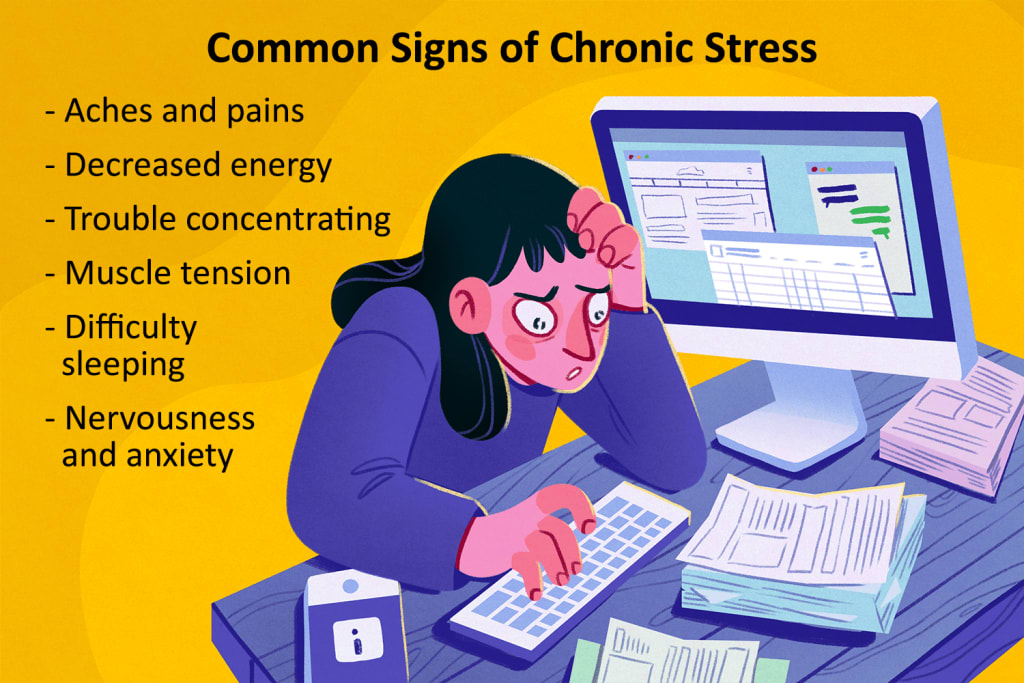
Stress is so much a part of our current high-speed existence that it is hard to imagine how to avoid it. For short durations, stress is not merely beneficial—it gives us focus or boosts performance—but after that, stress is detrimental. As soon as stress becomes chronic, it no longer simply feels claustrophobic; it can be highly detrimental to mental health.
Understanding the way chronic stress enmeshes with mental illnesses is essential for prevention and treatment. The interaction is complex and multifaceted, including physiological, emotional, and behavioral processes. If left untreated, chronic stress can cause or worsen illnesses such as anxiety, depression, insomnia, and even substance use disorders.
What Is Chronic Stress?
Stress is the body's natural reaction to any threat or demand, real or perceived. Under a challenge, the "fight-or-flight" reaction follows, releasing stress chemicals like cortisol and adrenaline. It can serve us well in short-term situations—giving us the motivation to complete the work on time or escape danger.
But chronic stress occurs when this response is constantly triggered over time. Rather than releasing back to a resting mode, the body and mind remain in high gear for extended periods.
Chronic stress examples:
Ongoing pressure at work
Uncertainty about financial security
Conflict or marital relationship problems
Caring for a sick family member
Living in dangerous neighborhoods
Social isolation or bias
Over time, this prolonged activation of the stress response severely drains physical and mental well-being.
How Chronic Stress Affects the Body and Brain
Chronic stress changes many systems in the body, particularly those that regulate mood, cognition, and behavior.
1. Brain Chemistry and Neurobiology
Cortisol Overload: Chronic stress creates chronically high levels of cortisol, which can damage the hippocampus (emotion and memory) and reduce the strength of the prefrontal cortex (decision-making and impulse control).
Neurotransmitter Disbalance: Stress drains important brain chemicals like serotonin, dopamine, and norepinephrine, all of which influence mood, motivation, and sleep.
Inflammation: Chronic stress increases brain and body inflammation, which is now believed to play a role in causing depression and other mood disorders.
2. Dysregulation of the Nervous System
The autonomic nervous system, that regulates involuntary bodily functions, becomes unbalanced. People may experience:
Insomnia or hypersomnia
Appetite changes
Headaches or muscle tension
Fatigue or restlessness
Mental Disorders Associated with Chronic Stress
1. Anxiety Disorders
Chronic stress has a tendency to mirror or trigger anxiety symptoms. If the brain is under constant pressure, it can lead to:
Generalized Anxiety Disorder (GAD)
Panic attacks
Phobias
Social Anxiety Disorder
Those dealing with long-term stress may be in a state of ongoing worry, anticipating the worst, and bodily tense or restless for no apparent reason.
2. Depression
There is an actual association between depression and chronic stress. Chronic stress drains the feel-good chemicals in the brain, which may eventually cause:
Long-term depression or hopelessness
Loss of energy or motivation
Feeling worthless
Avoiding social interaction
The emotional exhaustion of chronic stress usually results in burnout and depression symptoms when individuals are unable to change their situation.
3. PTSD
While PTSD is typically associated with traumatic events, chronic stress—especially if it has an emotional or psychological abuse foundation—may form trauma-like symptoms such as:
Hypervigilance
Nightmares or flashbacks
Emotional numbing
Trouble trusting other people
4. Substance Use Disorders
In efforts to ease pain caused by chronic stress, many individuals turn to alcohol, tobacco, or drugs. Though these solve the tension in the short run, they tend to worsen mental illness symptoms while creating a lethal cycle of addiction.
5. Sleep Disorders
Stress is one of the key perpetrators of insomnia. Intrusive thoughts during sleeping, overthinking, and tension in muscles make it difficult to sleep, which further increases daytime anxiety, depression, and irritability.
How to Manage Chronic Stress and Protect Mental Health
The better news is that chronic stress can be controlled—and its impact reversed—with proactive, caring care and chronic coping methods. Some of the following are several important methods for reducing stress and protecting mental health:
1. Cognitive-Behavioral Therapy (CBT)
CBT helps people learn to identify unhelpful patterns of thinking and replace them with more constructive, balanced ones. It works best for coping with:
Anxiety and panic
Insomnia caused by stress
Depressive thought patterns
Self-defeating habits
CBT also focuses on learning coping skills, including problem-solving, relaxation, and assertiveness.
2. Mindfulness and Meditation
Mindfulness-based stress reduction (MBSR) has been found to decrease substantially symptoms of depression and anxiety. These interventions assist in:
Quiet the mind and decrease rumination
Decrease cortisol levels
Enhance emotional regulation
Even several minutes of daily deep breathing, body scan, or guided meditation can result in improvement in mood and resilience.
3. Lifestyle Interventions
Changes in daily habits can have a dramatic effect on the body's ability to manage stress.
Exercise: Regular exercise releases endorphins, improves sleep, and increases self-esteem.
Nutrition: A balanced diet encourages brain functioning and regulates blood sugar and mood.
Sleep Hygiene: Scheduling quality sleep strengthens emotional resilience.
Time Management: Learning boundaries, saying no, and scheduling downtime are essential tools for reducing stress.
4. Social Support
Isolation worsens the effect of chronic stress. Speaking with others may buffer emotional pain and produce a sense of belonging. This may include:
Talk with good friends or loved ones
Participation in a support group
Involvement in community or religious activities
Even brief conversations or laughter can lower cortisol and improve emotional well-being.
5. Professional Help
If stress is crushing or starts to interfere with day-to-day life, not only should one seek the assistance of a mental health professional, but one must. A psychologist or psychiatrist can:
Provide evidence-based therapies
Prescribe medication (if required)
We are not embarrassed to visit a doctor for a chronic illness; we should not be embarrassed to seek treatment for chronic emotional pain.
6. Medication
In other cases, drugs such as antidepressants or anti-anxiety drugs may be used to manage the symptoms and signs of chronic stress and its related disorders. These should always be prescribed and managed by an experienced medical professional.
7. Relaxation Exercises
Progressive Muscle Relaxation (PMR)
Visualization and guided imagery
Listening to relaxing music
Exposure to nature
These activities help to activate the parasympathetic nervous system, which reverses the stress response and puts the body back into rest and healing.
8. Long-Term Prevention
Chronic stress reduction isn't merely about short-term comfort—it's also about long-term change. Consider:
Creating life or career changes if your environment is toxic
Embracing self-care as a necessity, not a luxury
Coaching or working with a therapist on assertiveness, boundaries, or personal change
When you make stress reduction a lifestyle, not a quick fix, you strengthen your mind and become more emotionally resilient over time.
Conclusion: Surviving to Thriving
Stress needn't be permanent, even if it is invasive. With education, counseling, and deliberate self-care, not only can we reduce stress, but we can also restore joy, energy, and clarity.
Your mental wellness is an investment you'll want to make. Knowing the signs of stress and heeding them is a powerful move toward recovery and resilience. You do not need to do it alone—and it's never too early to begin making choices that care for your emotional wellness.
For expert guidance and consultation on mental health treatment, click:
https://www.delhimindclinic.com/
https://www.craftcmsdeveloper.in/
Feel free to contact me if you wish to adjust your Craft site or simply discuss your Craft project. I can be available for a complimentary consultation!
About the Creator
Keep reading
More stories from Naveen Garg and writers in Education and other communities.
How does trauma affect mental health, and what are the recovery pathways?
Trauma is one of the most profound and complex experiences that may characterize an individual's life. It does not only result from war or severe accidents—it may also result from emotional abuse, neglect, loss, or even merely witnessing traumatic events. Its impact on mental health can be profound, long-lasting, and highly individual. Understanding how trauma affects mental health—and the many ways we can heal—is crucial in assisting ourselves and others in healing.
By Naveen Garg6 months ago in Education
How Global Experiences Shape Smarter, More Creative Leaders
Leadership today demands more than experience and technical skill. It requires imagination, empathy, and the ability to see problems from new angles. One of the most potent ways leaders develop these qualities is through travel. When leaders step outside familiar routines, they gain insight that books and meetings cannot offer. Exposure to new cultures, environments, and ways of thinking shows clearly how creative leadership through travel can unlock ideas that change how leaders think, decide, and inspire others.
By Nathalie Kyriakou3 days ago in Education
Can You Really Earn Money With Transcription? The Real Income Reality
The short answer is yes—you can earn money with transcription. But the more honest, useful answer is this: transcription only becomes worthwhile when you understand how the income actually works, not how it’s often presented online.
By Mahesh Kumar3 days ago in Education



Comments
There are no comments for this story
Be the first to respond and start the conversation.