
How does childhood trauma affect adult mental health, and can it be healed?
childhood trauma affect adult mental health
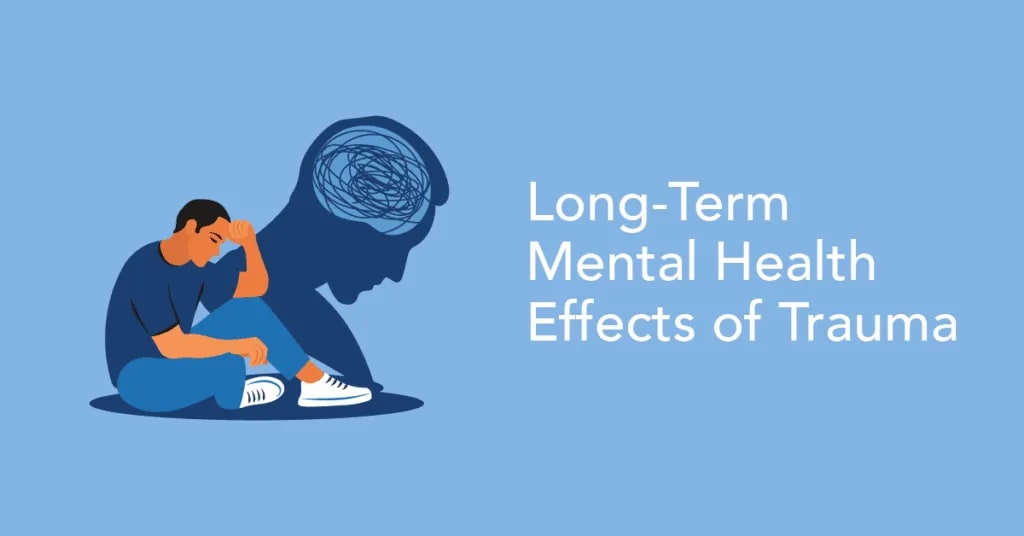
Childhood is a time of discovery, growth, and exposure. It dictates how we understand the world, ourselves, and others. When kids are subjected to trauma—abuse, neglect, loss, or repeated stress—they can make profound marks on their developing brains and emotional systems. Although most individuals live their lives ignorant of the magnitude of these wounds, childhood trauma has a way of reverberating into adulthood and shaping behavior, relationships, and mental health in subtle yet significant ways.
Understanding how trauma sustained in childhood still affects adult mental health is where healing starts. Through compassion, empathy, and appropriate guidance, it is not about surviving the effects of childhood trauma—it is a downright possibility to heal and emerge stronger beyond it.
What Is Childhood Trauma?
Childhood trauma is defining adverse experiences in early childhood—typically 0 to 18—which are greater than a child can manage. They may include:
Physical, emotional, or sexual assault
Emotional neglect or abandonment
Death, divorce, or incarceration of a parent
Domestic violence
Substance abuse among household children
Bullying or rejection by others
Chronic poverty or housing instability
The most significant aspect of trauma is whether or not the child felt the event was threatening, unavoidable, or as a helplessness or setback.
The Adverse Childhood Experiences (ACE) Study, conducted by the CDC and Kaiser Permanente, uncovered a clear link between how many traumatic experiences a child has and whether or not he or she will develop emotional, mental, and even physical problems later in life.
When a child undergoes trauma, their stress response system—designed for short-term survival—gets activated long-term. This sets off various long-term changes in brain structure and functioning:
1. Hyperactivation of the Amygdala (Fear Center)
The amygdala, which serves for threat identification, becomes hyperactivated. This can lead to adults becoming anxious, hypervigilant, or easily startled, even in safe situations.
2. Squeezing of the Hippocampus (Memory and Learning)
Trauma has the ability to affect the hippocampus, which is responsible for memory consolidation and learning. Early life trauma may result in memory issues, disorientation, or the inability to acquire new facts in adulthood.
3. Underdevelopment of Prefrontal Cortex (Reason and Regulation)
The area that makes decisions and exercises control over impulses might be underdeveloped in those with trauma, and therefore would struggle with emotional control or making sensible decisions under stress.
4. Nervous System Dysregulation
Trauma will place a person in an ongoing state of fight, flight, or freeze, in which it is difficult to relax or feel emotionally safe.
Common Mental Health Issues Related to Early Trauma
Childhood trauma can express itself in any number of ways during adulthood. Some of the most common mental diseases related to childhood trauma include:
Anxiety Disorders: Worrying excessively, having panic attacks, phobias, or intrusive thoughts.
Depression: Unrelenting sadness, apathy, guilt, or worthlessness.
Post-Traumatic Stress Disorder (PTSD): Flashbacks, nightmares, numbness, or avoidance of reminders.
Borderline Personality Disorder (BPD): Fear of abandonment, mood swings, unstable relationships, impulsivity.
Substance Use Disorders: Alcohol or drug use as an attempt to deal with emotional distress.
Attachment Disorders: Trouble trusting others, intimacy problems, or creating unhealthy relationship patterns.
Emotional and Behavioral Patterns Based on Childhood Trauma
Along with diagnosed disorders, trauma during childhood also often affects behavior and emotional responses in less obvious but more deeply rooted ways:
People-Pleasing or Overachieving: Doing well to gain approval because of low self-esteem.
Fear of Abandonment or Intimacy: Difficulty trusting others or coming close to them.
Emotional Dysregulation: Labile moods or difficulty calming down.
Self-Criticism and Shame: Feeling defective, unlovable, or "not good enough."
Avoidance of Conflict or Emotions: Numbing or avoiding feelings to avoid hurt.
Perfectionism or Control Issues: Trying not to be chaotic or random.
These are not character defects, but strategies a child learned in order to be safe. As an adult, they become maladaptive, but once upon a time, they were adaptive.
Can Childhood Trauma Heal?
Absolutely. Though the scars of childhood trauma can go deep, the psyche and brain are incredibly capable of recovery and change. Healing is a matter of establishing new patterns, constructing safety, and rewriting the internal narrative.
Here's how:
1. Therapy and Professional Support
One of the best ways to work through childhood trauma is with a trained mental health professional. There are a number of modalities that have proven successful:
Trauma-Focused Cognitive Behavioral Therapy (TF-CBT): Helps to identify and reframe negative thoughts and beliefs surrounding the trauma.
Eye Movement Desensitization and Reprocessing (EMDR): Uses bilateral stimulation to help reprocess traumatic memory.
Internal Family Systems (IFS): Treats with internal "parts" that came up during the trauma (e.g., the child part, protector part, or critic part).
Somatic Experiencing: Is engaged with releasing trauma that has been stored in the body.
Psychodynamic Therapy: Treats with unconscious patterns and relational wounds.
Healing isn't forgetting the trauma—it's no longer being controlled by it.
2. Building Emotional Safety and Self-Regulation
The nervous system must feel safe in order to heal. This can be built through:
Mindfulness and meditation to feel present
Breathwork and body scanning to calm physiological activation
Journaling to process feelings (see above discussion of benefits of journaling)
Yoga or gentle movement to re-connect with your body
Nature or creative expression to soothe the mind
Learning to self-soothe is a foundation for healing from trauma.
3. Inner Child Work
Some trauma survivors heal through inner child reconnection—the inner child who was hurt, scared, or abandoned. This may involve:
Writing letters to your child-self
Imagining protecting or comforting your child-self
Saying positive, compassionate things to your child-self you never got as a child
Playing or doing self-care
Inner child work helps you reclaim innocence, creativity, and emotional needs that were taken away.
4. Rescripting the Story
Trauma twists our self-story—convinces us we're broken, unlovable, or not good enough. With healing, you can learn to say:
"I did the best I could with what I knew."
"My value isn't determined by what happened to me."
"I am worthy of love, connection, and joy."
This empowerment-focused book helps trauma survivors reclaim agency and transition out of victimhood into survivorship.
5. Healthy Boundaries and Relationships
Trauma survivors struggle with boundaries. Healing involves learning how to:
Say no without feeling guilty
Recognize unhealthy patterns
Set mutual respect-based relationships
Be vulnerable with safety people
Healthy relationships become a new template—showing that connection doesn't equal suffering.
Conclusion: From Surviving to Thriving
Childhood trauma might scar your psyche—but it can't write your future. Given time, love, and care, healing is not only possible—it can be transformative. Survivors actually emerge with huge empathy, strength, and insight—qualities honed through their own inner resilience.
You're not broken. You're getting whole.
If you or someone you know is dealing with the aftermath of childhood trauma, expert assistance can be found at:
https://www.delhimindclinic.com/
https://www.craftcmsdeveloper.in
Don't wait to call me if you'd like to have your Craft website upgraded or simply want to discuss your Craft project. I'd be glad to arrange a complimentary consultation!
About the Creator
Keep reading
More stories from Naveen Garg and writers in Education and other communities.
How does journaling contribute to mental health and emotional healing?
In an age of constant distraction and information overload, journaling is a quiet, reflective haven—a way of stepping back, listening to oneself, and untangling the emotional mysteries of life. Far from a hobby or romantic activity, journaling is a powerful mental health intervention attested to by research as well as by therapeutic tradition.
By Naveen Garg6 months ago in Education
Learn Golf the Smart Way: A Clear Path for New Players
Golf is often seen as a demanding sport, but it does not have to be confusing or intimidating. Many people want to learn golf for fun, fitness, or social reasons, yet they feel unsure about where to start. The truth is that golf becomes enjoyable when you focus on the fundamentals and take steady steps forward. This article is designed to help new players understand the game in a practical, straightforward way, especially those seeking golf basics for beginners that are easy to follow and apply on the course.
By Dr. Shawn Kellerabout 4 hours ago in Education




Comments
There are no comments for this story
Be the first to respond and start the conversation.