
How does journaling contribute to mental health and emotional healing?
journaling contribute to mental health
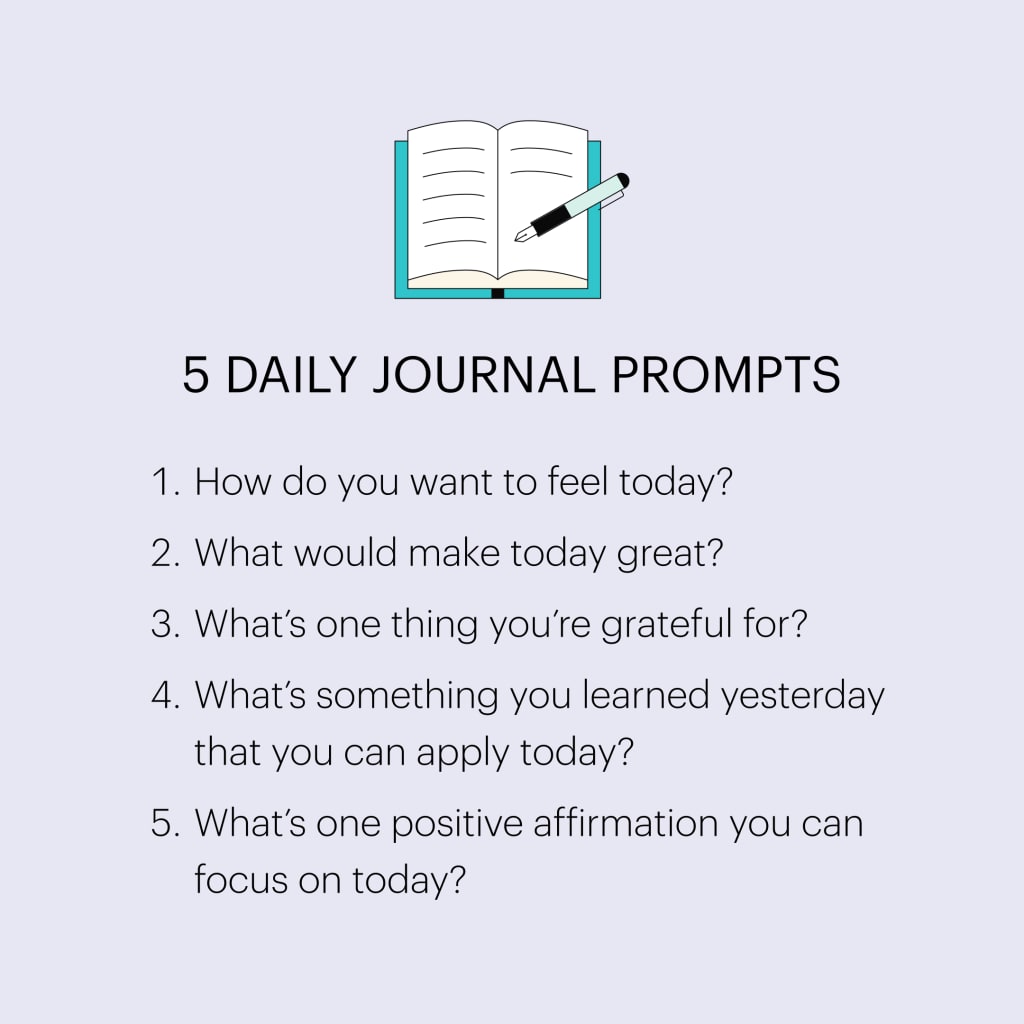
In an age of constant distraction and information overload, journaling is a quiet, reflective haven—a way of stepping back, listening to oneself, and untangling the emotional mysteries of life. Far from a hobby or romantic activity, journaling is a powerful mental health intervention attested to by research as well as by therapeutic tradition.
Whatever your journey with depression, anxiety, trauma, or daily stress, journaling gives you a safe, confidential place to work through thoughts, find patterns, and develop resilience. In this in-depth exploration, you'll gain an understanding of the psychological benefits of journaling for mental health, how it functions psychologically, and how to begin and sustain a restorative journaling practice.
What is Journaling in a Mental Health Context?
Journaling is merely putting down your thoughts, feelings, experiences, or musings in a personal and unrestricted fashion. It is not like formal writing or academic papers—there is no perfect grammar, rational framework, or even specific subject matter needed. The goal is expression and reflection upon oneself.
Journaling, in clinical settings, is typically recommended as a complement to therapy or counseling. Journaling is utilized for self-reflection, cognitive re-structuring, emotional release, and goal-directed planning. Certain clinicians go so far as to include specific journal prompts as interventions for client treatment plans for PTSD, anxiety disorder, depression, or loss.
How Journaling Supports Mental Health
Journaling intervenes on several fronts—cognitive, affective, and behavioral. Let us examine the evidence-based benefits of incorporating it in your mental health practice.
1. Emotional Release and Regulation
Writing out feelings is a type of emotional catharsis—a purge that relieves the mental weight. If emotions are suppressed, they usually surface as stress, testiness, or even illness like headaches or tension in the muscles. Writing permits a safe, non-critical means of expression, enabling you:
To untangle muddled feelings
Lessen emotional intensity through exorcism
Vent anger, sorrow, or fear without dread of reprisal
Over time, this develops emotional intelligence—knowing how to identify, name, and self-regulate your emotional states.
2. Minimizing Anxiety and Rumination
Journaling interrupts the spiral of negative thinking by shifting it from rumination (patterns of thoughts) to reflection (positive examination). By writing about your worries, you:
Make vague fears concrete and manageable
Sort irrational fears from real issues
Identify unhelpful pattern or trigger thinking
Cognitive Behavioral Therapy (CBT) often uses journaling as a technique to challenge cognitive distortions—like catastrophizing, black-and-white thinking, or personalization.
3. Clarifying Thoughts and Building Strength of Self-Awareness
Journaling gives you a mirror to your inner life. By writing regularly, you will begin to:
Recognize patterns in your emotional life
Become acquainted with your core values, fears, and desires
Map the relationship between thoughts, behaviors, and consequences
This self-knowledge is the basis for growth and better decision-making. It prepares you for self-compassion, too, because you begin to see yourself more generously—no longer through your flaws.
4. Healing from Trauma or Grief
Journaling is a tender way of processing painful events that may be too excruciating to say out loud. Trauma writing (a technique created by psychologist Dr. James Pennebaker) has been shown to:
Reduce PTSD and depression symptoms
Improve immune function
Straighten out disordered memories into coherent stories
Writing imposes structure on the chaotic, enabling survivors to reclaim their narrative and minimize the power of traumatic memories.
5. Building Gratitude and Positivity
Gratitude journaling is the simplest and most powerful of all the types of therapeutic writing. By making a conscious effort to notice the things you're thankful for, even during times of difficulty, you condition your brain to notice the good—its own antidote to the negative bias.
People who practice gratitude journaling on a daily basis have said:
Improved mood and outlook on life
More resilience in the midst of challenge
More social connection and compassion
6. Increasing Goal Clarity and Motivation
Journaling can also be future-oriented. Writing down your goals, intentions, and desires crystallizes vague aspirations into concrete plans. It helps to:
Clarify what matters most to you
Break large plans into doable steps
Monitor progress and note small victories
The exercise boosts self-efficacy—the faith in your ability to act"—and that has an excellent correlation with mental health.
Different Types of Journaling Techniques
There is no "correct" style for journaling. The most effective is one that feels natural and sustainable. Listed below are some of the most popular styles to experiment with:
1. Free Writing (Stream of Consciousness)
Put down anything you're thinking without censoring or editing. Excellent for releasing emotions or if you feel "mentally clogged."
2. Reflective Journaling
Write about a specific event and how it affected you. Ask yourself questions like: What did I learn? What would I do differently?
3. Gratitude Journaling
Write down 3–5 things you're grateful for daily. Get as specific as possible (e.g., "The smell of rain in the morning" rather than "weather").
4. Prompt-Based Journaling
Mental health prompts like:
"What am I avoiding and why?"
"What part of me needs compassion today?"
"What is my inner critic telling me, and how can I be kind back?"
5. Letter Writing
Write letters to people (your younger self, someone who died in your life, or someone who hurt you). This is very healing and empowering.
Tips to Make Journaling a Sustainable Practice
It is simple to develop a journaling habit. Here are some tips to make it sustainable and effective:
Start small – 5 minutes a day will do.
Write by hand and paper – Handwriting is more expressive than typing.
Be honest, not elegant – Eloquence is not required. Write to yourself.
Create a ritual – Make writing a part of your morning ritual or a bedtime wind-down.
Keep it private – Knowing that your journal is secure encourages honesty.
Don't force it – It's okay to miss a day. Come back with curiosity, not shame.
When Journaling May Not Be Enough
Although journaling is a powerful self-help tool, it is not the same as professional counseling, especially if you are having trouble with:
Severe depression or suicidal thoughts
Complex trauma or PTSD
Severe anxiety or panic attacks
Emotional dysregulation that is interfering with your life
In such cases, journaling should be a supplement to therapy rather than the exclusive source of support. Where journaling creates an overwhelming level of emotions, then it is an indication that you may require talking things over with a licensed mental health practitioner.
A Compassionate Invitation to Your Inner World
In its simplest form, journaling is an invitation to listen to yourself—to sit with your thoughts and feelings in their entirety, without distraction or judgment. It is a gesture of respect for yourself, a ritual of gentleness, and a quiet revolution against emotional repression.
Wherever you are on the path of your mental health, writing can take you to clarity, process pain, and link you to hope. Your story matters. And expressing it in words is a courageous step towards healing.
For personalized mental wellness treatment, therapy services, or consulting with experienced professionals, click on:
https://www.delhimindclinic.com/
https://www.craftcmsdeveloper.in/
Please do not hesitate to call on me if you would like to change your Craft website or simply talk about your Craft project. I provide a free consultation!
About the Creator
Keep reading
More stories from Naveen Garg and writers in Education and other communities.
What does loneliness do to the mind, and how do individuals deal with it effectively?
Loneliness is often mistakenly perceived as a temporary emotional condition, something which will pass with the passage of time. But clinical observation and research establish that loneliness can actually be a profound psychological experience—one with a significant impact on mental and physical well-being when it lasts or remains unresolved.
By Naveen Garg6 months ago in Education
The Insurrection Act
Introduction The Insurrection Act is a law in the United States of America. It allows the President of the United States to use the military to deal with serious problems inside the country. This law is very important because it can be used when there is a rebellion, violence, or lawlessness that cannot be controlled by normal police forces. The act has been in use for many years and is sometimes a topic of debate because it gives the President significant power.
By Farhan Sayed3 days ago in Education
Top 7 Life Changing Books to Read in 2026
In 2026, readers are not just looking for entertainment—they want books that change the way they think, feel, and see the world. With endless content available online, only a few books continue to stand out, remain widely read, and influence conversations across generations. These are the books people keep recommending, searching for, and returning to year after year.
By Waqar Khan3 days ago in Education



Comments
There are no comments for this story
Be the first to respond and start the conversation.