
How does trauma affect mental health, and what are the recovery pathways?
trauma affect mental health
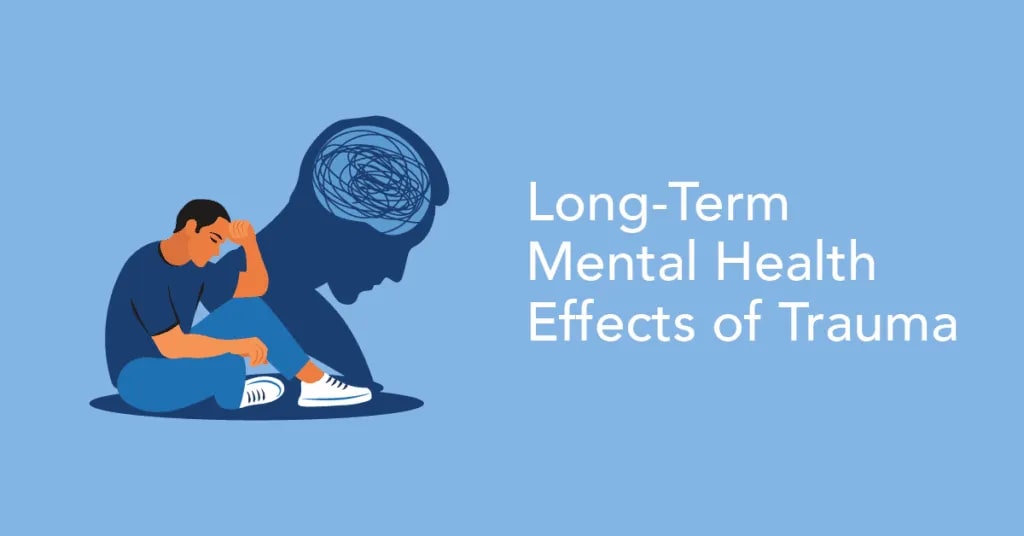
Trauma is one of the most profound and complex experiences that may characterize an individual's life. It does not only result from war or severe accidents—it may also result from emotional abuse, neglect, loss, or even merely witnessing traumatic events. Its impact on mental health can be profound, long-lasting, and highly individual. Understanding how trauma affects mental health—and the many ways we can heal—is crucial in assisting ourselves and others in healing.
While trauma may alter the brain and nervous system, healing is not only possible—it is expected, especially with proper intervention, support, and compassion. Treatment of trauma at any point should be trauma-informed, nonjudgmental, and focused on reestablishing safety, trust, and empowerment.
What Is Trauma?
Trauma can be defined as an emotional response to a situation or set of circumstances that overwhelm an individual's ability to cope. It threatens the individual's sense of safety, stability, or identity.
Types of trauma:
Acute trauma: Caused by a single overwhelming event (e.g., car accident, attack).
Chronic trauma: After multiple exposures to stress (e.g., ongoing domestic violence).
Complex trauma: Resulting from repeated, prolonged, or interpersonal events, often starting in childhood (e.g., abandonment, emotional neglect).
Developmental trauma: Occurs in early childhood when a child is particularly vulnerable and the brain is growing rapidly.
It is critical to recognize that trauma is subjective. What is traumatic for one person will not be for another, depending on resilience, context, past experiences, and support systems.
How Trauma Affects the Brain and Body
Trauma not only affects emotions—it creates physiological changes in the brain and nervous system that affect thoughts, behaviors, and even physical health.
1. Brain Changes
Trauma alters the function of:
Amygdala: Becomes hyperactive, constantly scanning for threat, leading to anxiety and hypervigilance.
Hippocampus: Can atrophy, affecting memory and emotional regulation.
Prefrontal Cortex: Reduced activity can influence decision-making and rational thinking.
This generates a "fight, flight, freeze, or fawn" response that may become chronically activated even when there is no actual danger.
2. Nervous System Dysregulation
The autonomic nervous system may become stuck in a state of high arousal (hypervigilance, agitation, panic) or shutdown (numbness, dissociation, fatigue). This can result in:
Insomnia or nightmares
Intrusive thoughts or flashbacks
Emotional numbing or detachment
Chronic anxiety or irritability
3. Physical Symptoms
Trauma is often experienced in the body as:
Muscle tension
Gastrointestinal issues
Headache or exhaustion
Impaired immune function
The body keeps the score—unprocessed or denied trauma can manifest as chronic physical symptoms.
Emotional and Psychological Impact of Trauma
The emotional impact of trauma can be:
Post-Traumatic Stress Disorder (PTSD): A mental illness that occurs after a traumatic event, in which the person develops flashbacks, avoidance, negative thoughts, and emotional pain.
Depression and Anxiety: Common among trauma survivors due to disrupted brain chemistry and hopelessness.
Low Self-Esteem: Especially in childhood trauma, when victims internalize shame and blame.
Trust Issues: Trauma often damages the ability to trust others or feel safe in relationships.
Substance Abuse: The majority of survivors use alcohol or drugs to numb emotional pain.
Pathways to Healing from Trauma
Healing from trauma is a very individualized process, and it does not occur in a linear fashion. However, with the correct combination of support, therapies, and self-care, individuals can regain a sense of safety, identity, and peace.
The following are some compassionate and evidence-based trauma recovery strategies:
1. Trauma-Informed Therapy
One of the most effective methods for processing and healing trauma is through the help of a trained mental health professional.
Therapeutic Modalities:
Trauma-Focused Cognitive Behavioral Therapy (TF-CBT): Helps to challenge distorted beliefs and reduce trauma symptoms.
EMDR (Eye Movement Desensitization and Reprocessing): Utilizes bilateral stimulation to help reprocess traumatic memories.
Somatic Experiencing: Addresses body-based healing and releasing trauma stored in the nervous system.
Internal Family Systems (IFS): Helps to identify and heal "parts" of the self that are wounded or protective.
It's best to work with a trauma-informed therapist—a therapist who understands how trauma affects the body, brain, and emotions, and who does not re-traumatize.
2. Creating Safety and Stability
Before delving into painful memories, survivors must first establish a sense of safety and stability—both internal and external. This includes:
Having a safe place to live.
Practicing grounding skills.
Building a daily routine.
Establishing relationships that feel supportive and nonjudgmental.
Trauma healing can only occur when the nervous system gets a chance to rest and feel safe.
3. Self-Compassion and Patience
Most survivors either self-blame or feel "broken." Healing starts with the recognition that what happened to you is not your fault. Trauma reactions are normal responses to abnormal situations.
Practicing self-compassion involves:
Letting go of harsh self-judgment.
Giving yourself time to grieve and process.
Celebrating progress, no matter how small.
Shame thrives on silence. When people are given safe, empathetic places to share their stories, healing accelerates.
4. Support Networks
In the form of friends, family, peer support groups, or online communities, connection is a powerful recovery tool. Being believed, validated, and accepted is very often the balm for trauma's isolation.
Consider:
Joining a trauma support group.
Connecting with others who have had similar experiences.
Leaning on trusted others on tough days.
No one should ever have to walk the healing journey alone.
5. Mind-Body Practices
Since trauma is held in the body, body-based therapies and mindfulness are crucial.
Practices that are beneficial include:
Yoga or tai chi: Encourage movement, breath, and self-awareness.
Mindfulness meditation: Teaches one to be present and manage emotions.
Breathwork: Calms the nervous system.
Art and music therapy: Offer non-verbal expression and release of emotions.
These practices help survivors reclaim trust in their bodies and reassert control over their experiences.
6. Medication (If Needed)
In some cases, psychiatric medication may be used to:
Decrease overwhelming symptoms (e.g., depression, anxiety, nightmares).
Stabilize mood.
Make therapy more possible and less emotionally exhausting.
Medication should always be managed by a psychiatrist and considered one part of an overall healing approach.
7. Meaning-Making and Growth
Post-traumatic growth is the idea that, in the healing process, individuals can discover new strengths, more significant relationships, and a new sense of purpose in life. Although trauma might leave its scar, it can also lead to:
Greater empathy and compassion.
A sense of purpose or activism.
Spiritual or existential awareness.
Reconnection with one's own inner self.
This does not minimize the pain, but it reminds us to keep in mind that healing can occur hand in hand with hope.
Conclusion: Healing Is Possible
Trauma can leave deep scars—but they are not permanent. With compassionate support, evidence-based treatment, and personal commitment, trauma recovery is not only possible—it's within your reach.
Healing is not about forgetting the trauma or even pretending it never happened. It is about reclaiming your life, rewriting your narrative, and remembering that you are more than what you have survived.
If you or someone you love is experiencing the effects of trauma, help is available. You are not alone, and healing is only a step away.
To get professional help, visit:
https://www.delhimindclinic.com/
https://www.craftcmsdeveloper.in/
Feel free to reach out if you'd like to chat about changes to your Craft site or simply discuss your Craft project. I'm here for a complimentary consultation!
About the Creator
Keep reading
More stories from Naveen Garg and writers in Education and other communities.
What is the lifestyle contribution towards the maintenance of mental health?
What is the lifestyle contribution towards the maintenance of mental health? When we think about mental health, we first think of therapy, medication, or abuse in our life. Absolutely, these are legitimate factors to consider, but sometimes we overlook the every-day choices that seriously influence our psychological well-being—our lifestyle. What we do every day—how we eat, when we sleep, how active we are, and who we spend time with—can feed or kill our mental health.
By Naveen Garg6 months ago in Education
Beyond Speed: How High-Performance Computing Is Shaping Tomorrow’s Discoveries
High-Performance Computing is changing how people explore ideas, test theories, and solve complex problems. It allows machines to work together at great speed. These systems can handle tasks that are far too large for standard computers. As a result, High-Performance Computing and the future of discovery are closely linked.
By Jason Pruet3 days ago in Education
Designing a Meaningful Future: Strategic Planning for Mission-Focused Entrepreneurs
In today’s evolving business landscape, entrepreneurs are increasingly motivated by more than financial success. Many are building companies around a mission to create social, environmental, or community-driven impact. While passion and vision ignite these ventures, strategic planning transforms purpose into a lasting, scalable business. For mission-focused entrepreneurs, planning is not about restriction but about clarity, alignment, and sustainable growth.
By Mario Paynea day ago in Education


Comments
There are no comments for this story
Be the first to respond and start the conversation.