
How do mindfulness practices contribute to mental health and emotional well-being?
mindfulness practices contribute to mental health
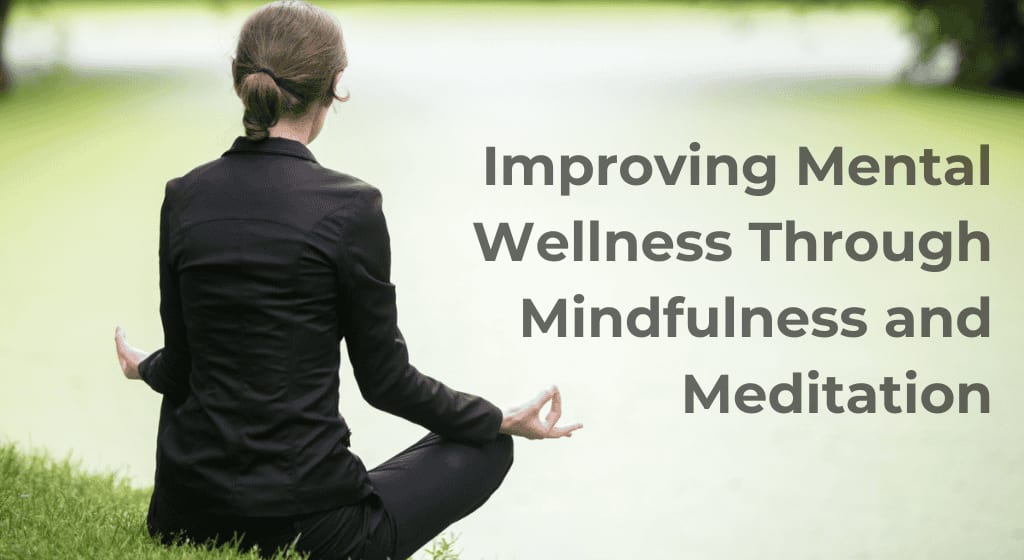
In the last few years, mindfulness has become a buzzword in the field of mental health, but it is far more than a trend or a buzzword. Based on ancient practices and supported by modern science, mindfulness is a straightforward yet powerful practice that enhances emotional regulation, reduces stress, and contributes to greater overall psychological well-being.
In a world where so many of us are on autopilot—racing from one task to another, sidetracked by technology, or mired in thoughts—mindfulness offers an entry point back to the present moment. It is in this return to the present that healing, clarity, and growth can begin.
Let's explore how mindfulness works, its advantages, and how you can incorporate it into your mental health practice.
What Is Mindfulness?
Mindfulness is the practice of attention, on purpose, in the present moment, and without judgment. It invites you to become fully present in your thoughts, sensations, emotions, and surroundings, rather than getting caught up in anxiety about the future or regret about the past.
Although the concept originated from Buddhist meditative practices, mindfulness is not religious. Anyone can practice it, regardless of their beliefs or background.
Some commonly used mindfulness exercises are:
Mindful breathing
Body scans
Mindful walking
Meditative movement (e.g., yoga or tai chi)
Guided meditation
Mindful eating or listening
These exercises train the mind to observe without judgment, having a direct impact on mental health.
How Does Mindfulness Improve Mental Health?
Mindfulness changes how we interact with our thoughts, emotions, and physical sensations. With regular practice, it allows us to:
Respond rather than react
Notice unhelpful thinking patterns
Tolerate emotions
Interrupt stress cycles and automatic behaviors
Here are the major ways that mindfulness improves mental health:
1. Reduced Stress and Anxiety
Stress and anxiety reside in the future—concerns about what might go wrong, examining consequences, and anticipating danger. Mindfulness, however, keeps you in the present.
Research has discovered that mindfulness-based stress reduction (MBSR) programs significantly decrease stress and anxiety levels. By observing anxious thoughts without judgment, individuals can perceive them as mental events—not facts—which takes away their power.
Awareness of breath, in particular, activates the parasympathetic nervous system, enabling the body to transition from "fight or flight" to "rest and digest", calming the physical symptoms of anxiety.
2. Defeating Depression and Preventing Relapse
Depression generally involves recurrent negative thinking patterns and rumination about the past. Mindfulness deconditions these spirals by teaching individuals to view thoughts without self-identification. This is the foundation of Mindfulness-Based Cognitive Therapy (MBCT), which combines cognitive techniques with mindfulness to forestall depressive recurrence.
By observing depressive thoughts rather than fusing with them, people learn that “I’m having the thought that I’m worthless” is different from “I am worthless.” This creates space for new, healthier beliefs.
Moreover, mindfulness encourages engagement with life’s small, everyday pleasures—something depression often obscures.
3. Enhancing Emotional Regulation
Mindfulness increases awareness of emotional triggers and responses. Rather than reacting impulsively to anger, fear, or sadness, practitioners learn to:
Recognize emotions as they arise
Pause and breathe before responding
Label emotions accurately (e.g., “This is anxiety,” rather than “I’m freaking out”)
Soften resistance and allow feelings to pass naturally
This ability to stay with difficult emotions without being overwhelmed builds emotional resilience—an essential skill for long-term mental health.
4. Improving Focus and Reducing Overthinking
Contemporary life is ridden with distractions, and many people suffer from issues of scattered minds, forgetfulness, or mental "fogginess." Mindfulness strengthens attentional control and cognitive flexibility.
On brain imaging, regular mindfulness meditators also show increased activity in the prefrontal cortex, which is involved in focus and executive function. This results in:
Better concentration and memory
Better decision-making
Greater awareness of mental habits like overthinking
Mindfulness strengthens the brain like a muscle—every time one returns to the breath or the moment, it is a "rep" that increases mental clarity.
5. Cultivating Self-Compassion and Decreasing Self-Criticism
One of the foundations of mindfulness is non-judgmental awareness, which translates into a more compassionate relationship with oneself. Most people who have mental health issues are very self-critical and use shame or blame as motivators.
Mindfulness also instructs that all emotions and thoughts, however dark, are human and transient. This recognition develops self-kindness, especially during moments of pain.
Courses like Mindful Self-Compassion (MSC) allow individuals to reframe internal messages and develop inner warmth—a shield against anxiety, depression, and burnout.
6. Improving Relationships and Empathy
Mindfulness enhances interpersonal relationships by cultivating:
Active listening
Patience and presence
Reduced reactivity during conflict
Greater empathy and attunement to others' feelings
Mindful couples and family members communicate more effectively, argue less, and have more emotional intimacy.
Mindfulness and the Brain: The Scientific Evidence
The mental health benefits of mindfulness are supported by neuroscience. Brain imaging studies demonstrate:
More gray matter in regions that regulate emotions (e.g., anterior cingulate cortex)
Decreased activity in the amygdala (the brain's fear center)
Increased connectivity between the prefrontal cortex and emotion-processing centers
These neurologic changes lead to better emotional control, increased focus, and lower reactivity even when not meditating.
Starting Mindfulness
Mindfulness can be practiced anywhere at any time. Here is how to begin:
1. Start Small
Start with 5 minutes a day of mindful breathing. Sit comfortably, focus on the breath, and gently bring your attention back whenever it wanders.
2. Utilize Guided Resources
Apps like Headspace, Calm, Insight Timer, or YouTube offer free mindfulness meditations for starters.
3. Incorporate Mindfulness into Daily Life
Try mindful eating (savor each bite), mindful walking (feel each step), or mindful conversation (really listen without interrupting).
4. Be Gentle with Yourself
It's not "clearing your mind," but rather noticing when it wanders and gently bringing it back. Each moment of awareness is progress.
5. Get a Group or Program
Mindfulness courses such as MBCT or MBSR can offer structure and social support.
Challenges to Practicing Mindfulness (and How to Overcome Them)
As with any new habit, mindfulness may have some obstacles:
Restlessness: You may feel impatient or bored. Try shorter sessions or mindfulness that involves movement, like yoga or walking.
Uncomfortable Emotions: Mindfulness may evoke buried emotions. Approach them with curiosity and seek support if you need it.
Judging Your Practice: You might think you're "doing it wrong." Mindfulness is being, not doing.
With regularity and kindness, mindfulness becomes easier and more pleasant over time.
Conclusion: Returning to the Present, Reclaiming Your Peace
In a world full of chaos, mindfulness is an invitation to come back—to yourself, to your breath, to this moment. It's a reminder that peace is not something that you should seek in the future, but something that you can create here and now.
Whether you’re facing anxiety, depression, trauma, or simply the stress of everyday life, mindfulness offers a path toward greater self-awareness, emotional healing, and inner stability. With practice, you’ll discover a steadier ground within yourself—a place to rest, reflect, and rise.
If you’re seeking mental health support, professional guidance, or a space to deepen your journey, visit:
https://www.delhimindclinic.com/
https://www.craftcmsdeveloper.in/
Feel free to reach out if you'd prefer to chat about updating your Craft site or simply discuss your Craft project. I'm available for a complimentary consultation!
About the Creator
Keep reading
More stories from Naveen Garg and writers in Education and other communities.
How does childhood trauma affect adult mental health, and can it be healed?
Childhood is a time of discovery, growth, and exposure. It dictates how we understand the world, ourselves, and others. When kids are subjected to trauma—abuse, neglect, loss, or repeated stress—they can make profound marks on their developing brains and emotional systems. Although most individuals live their lives ignorant of the magnitude of these wounds, childhood trauma has a way of reverberating into adulthood and shaping behavior, relationships, and mental health in subtle yet significant ways.
By Naveen Garg6 months ago in Education
Why Understanding the Problem Matters More Than the Stack
Modern software development places extraordinary emphasis on tools. New frameworks promise productivity, new languages promise safety, new architectures promise scale. Engineers debate stacks with near-ideological intensity. Yet many of the most expensive failures in software have nothing to do with poor technology choices. They stem from something more fundamental: a shallow understanding of the problem being solved.
By Gustavo Woltmannabout 20 hours ago in Education
Why Certification Protects Transcription Careers in the Age of AI
Artificial Intelligence has rapidly transformed the transcription industry. Speech-to-text tools now promise instant results, lower costs, and effortless productivity. For businesses focused purely on speed, AI often appears to be the perfect solution. However, beneath this promise lies a critical reality: speed without accuracy creates risk.
By Mahesh Kumar6 days ago in Education



Comments
There are no comments for this story
Be the first to respond and start the conversation.