
What role does sleep play in mental well-being, and how can improved sleep behavior benefit emotional well-being?
improved sleep behavior benefit emotional well-being
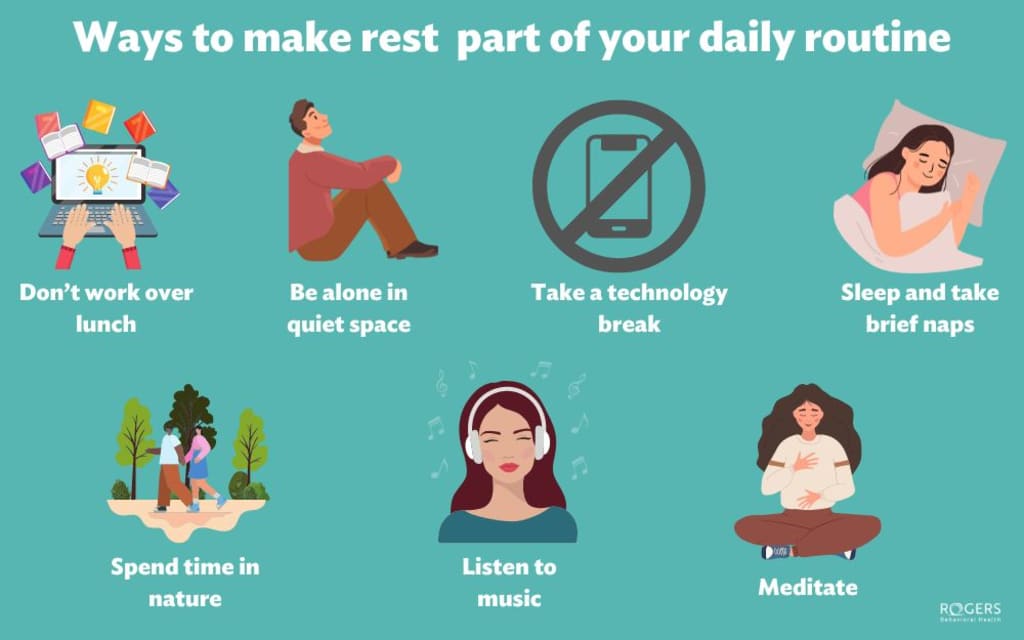
Sleep is not only a period of physical rest; it is a vital biological process that serves to preserve mental, emotional, and cognitive health. The majority of individuals underappreciate the importance of sleep as something inactive or as a loss that can be sacrificed for productivity. But years of research have confirmed that sleep has a powerful impact on mood management, emotional processing, memory consolidation, and the brain's ability to function at its best. Indeed, sleep loss is a cause and symptom of nearly all mental illnesses, including depression, anxiety, bipolar disorder, and post-traumatic stress disorder (PTSD). Understanding how sleep is related to mental health is essential for anyone who wishes to be emotionally in balance and well.
One of the most significant functions of sleep is emotional regulation. During REM sleep—the period of sleep during which dreams take place—emotional experiences of the day are sorted through by the brain. This “overnight therapy” helps reduce the emotional charge of stressful events, making them easier to cope with the next day. When a person is sleep-deprived, the amygdala—the brain’s emotional response center—becomes overactive, while the prefrontal cortex, which is responsible for rational thinking and impulse control, becomes less effective. This imbalance can lead to heightened emotional reactivity, irritability, and poor stress management.
Sleep also plays a vital role in cognitive processes such as concentration, decision-making, and remembering. Sleep is used by the brain to consolidate learning and retain important information through deep slow-wave sleep. Restlessness causes a decrease in attention span, weakening problem-solving skills, and reduction in creativity. Sleep loss over time results in frustration, hopelessness, and mental fatigue, affecting further mental health.
The bidirectional relationship between mental illness and sleep is that poor sleep exacerbates symptoms of mental illness, and mental illness disrupts sleep. For example, anxious patients typically have racing thoughts or physiological hyperarousal at night, and they find it difficult to sleep. Depression is also frequently seen with insomnia or, conversely, hypersomnia. Disturbed sleep is a classic precipitant for manic or depressive episodes in bipolar illness. Parallel, PTSD also commonly leads to nightmares and disturbed sleep, leading to chronic fatigue and emotional distress. Because these are often intertwined, improved quality of sleep is often a component of mental health treatment.
There are a number of lifestyle measures that can encourage more healthy sleep patterns and, in turn, emotional well-being:
Maintain a consistent sleep schedule – The bedtime and rising time remain the same every day, even on weekends, to ensure that the body's internal clock remains synchronized (circadian rhythm).
Create a calming pre-sleep routine – Engaging in relaxing activities such as reading, listening to soft music, or using slow breathing before sleep can alert the body to begin relaxing.
Limit bed time on screens – Blue light from phones, tablets, and computers may suppress the secretion of melatonin, leading to sleep delay. It is advisable to avoid screens at least 30–60 minutes before bedtime.
Create your bedroom sleep-friendly – A dark, quiet, and cool bedroom can do much to ensure quality sleep. Soft bedding and a comfortable mattress are also crucial.
Be careful with diet and substances – Caffeine, nicotine, and alcohol can interfere with sleep quality. Reduce, especially in the evening, will be beneficial.
Routine exercise – Daytime exercise promotes deeper, more recuperative sleeping at night, but not heavy exercise too close to bed.
For chronic insomnia and other sleep disorders, professional treatment may be in order. Cognitive Behavioral Therapy for Insomnia (CBT-I) has been considered the gold-standard treatment for chronic sleep disturbance and has been shown to improve both sleep and mental health status. Sleep disturbances in some cases are brought about by medical conditions such as sleep apnea, restless legs syndrome, or hormonal deregulation that necessitate particular interventions.
Most of all, improving sleep isn't so much about more hours—it's about improving the quality of sleep. Piled-up sleep, even to the amount of eight hours, can leave a person still tired and painfully depleted emotionally. Quality sleep allows the brain to float through all of the various stages of the sleep cycle without a hitch, each with different restorative functions.
Sleep improvement also has spillover consequences on other domains of mental health treatment. For example, good sleepers are more compliant with therapy sessions, use good coping skills, and have better relationships with daily tasks. Sleep improves motivation, reduces fatigue-related irritability, and increases stress resilience.
In the grand plan of mental health, sleep has to be thought of as a stabilizing pillar, in addition to nutrition, physical exercise, counseling, and medication if required. Sleep deprivation is equivalent to removing a main supporting column in a building—it compromises stability and can lead to a ripple effect of negative consequences.
If you or someone you know are both experiencing bad sleep and emotional upset, it's worth talking to a health professional about having an honest conversation about sleep routines. It's easy to feel guilty about prioritizing sleep, but it's not a luxury—it's a physical and mental health necessity. Prioritizing sleep as a core area of self-care enables individuals to actually improve their ability to think clearly, control emotions, and maintain healthy balanced mental health in the long term.
For further consultation and expert mental health advice, you can visit:
https://www.delhimindclinic.com/
If you'd like to do something with your Craft website or simply need to talk about your Craft project, you can visit:
https://www.craftcmsdeveloper.in/ — Feel free to contact me if you'd like to make changes to your Craft website or simply talk about your Craft project. I provide a complimentary consultation!
About the Creator
Keep reading
More stories from Naveen Garg and writers in Education and other communities.
How is it possible for mindfulness to reduce stress and improve overall mental health?
Stress is nearly a universal condition in the modern hyper-paced and constantly connected world. Many people are handling more than one duty—work, family, social life, financial commitments—and are finding themselves psychologically stretched thin. Chronic stress, if left untreated, can contribute to a plethora of physical as well as mental diseases, including anxiety disorders, depression, heart disease, sleep issues, and even compromised immunity.
By Naveen Garg5 months ago in Education
Best Hunting Destinations in America Every Hunter Should Visit
Hunting has deep roots in American culture. It connects people to the land and to a long outdoor tradition. From vast plains to deep forests, the country offers many places where hunters can test their skills and enjoy nature. This guide explores America’s Best Hunting Destinations clearly and straightforwardly. Each place provides rich wildlife, strong traditions, and unforgettable landscapes. If you love the outdoors, these destinations deserve a spot on your travel list.
By Joe Sottolanoabout 8 hours ago in Education
UMPCO Inc: My Insider View on an Unsung Aerospace Fastener Maker
When I first learned about UMPCO Inc, I had no idea how deep its influence ran through aviation and aerospace hardware. Today, I want to take you behind the scenes of this fastener and hardware solutions manufacturer — a company that quietly supports every aircraft clip, clamp, and bracket that helps keep our skies safe.
By Beckett Dowhan5 days ago in Education


Comments
There are no comments for this story
Be the first to respond and start the conversation.