
How does trauma affect the brain, and what are the pathways to healing?
trauma affect the brain
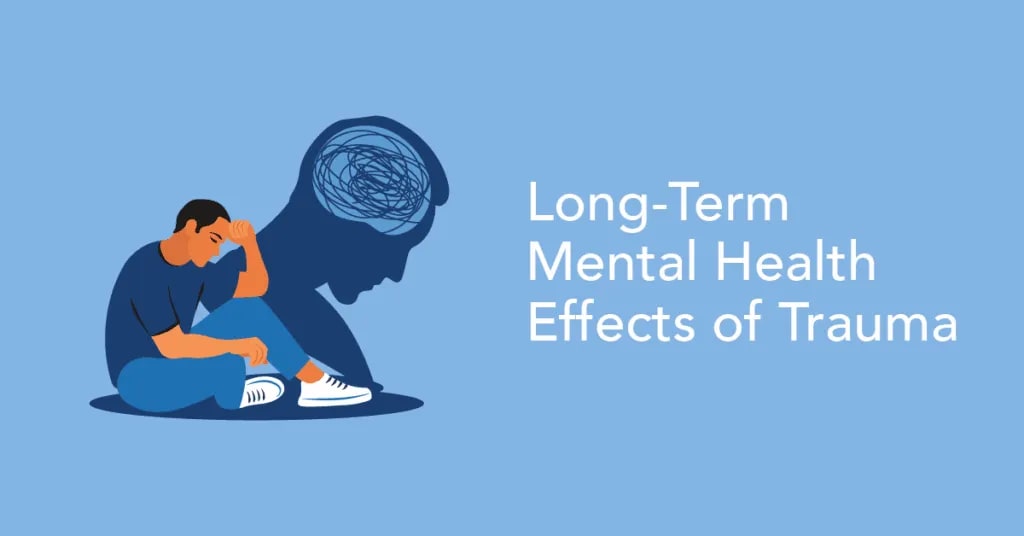
Trauma can have a hidden but powerful impact on a person's mind, body, and nervous system. It does not just reside in memories—in the body and brain, it also affects how we think, feel, behave, and relate to other humans. Understanding how trauma affects the brain permits us to understand why healing does not occur by merely "thinking positively" or "moving on," but rather is a gradual, loving process involving safety, connection, and often professional support.
Let's explore how trauma changes the brain, the symptoms it creates, and the evidence-based ways in which we can heal from its effects.
1. What Is Trauma?
Trauma is the emotional response to an experience that topples an individual's ability to cope with it. Trauma can be brought on by isolated events (e.g., accidents, assaults), continuous exposure (e.g., childhood neglect, domestic violence), or collective experiences (e.g., war, natural disasters, pandemics). Trauma is not always defined by the event itself, but by the psychological response of the individual.
Two people can undergo the same experience—one will develop trauma symptoms, the other won't. This difference is predicated on many factors, including past experiences, resilience, support network, and brain chemistry.
2. Major Brain Areas Affected by Trauma
Trauma disrupts brain growth and function in several key areas:
a. Amygdala: The Alarm System
The amygdala processes danger and triggers the body's fight, flight, or freeze response. The amygdala is hyperactive following trauma, as it is constantly on the lookout for danger. This is why trauma survivors may be edgy, jittery, or reactive even when they are not in physical danger.
b. Hippocampus: The Memory Center
The hippocampus also organizes memories in a logical time sequence. Trauma may shrink the hippocampus, and memories then become fragmented or distorted. The survivor may dissociate or experience flashbacks, and past and present become confused.
c. Prefrontal Cortex: The Thinking Brain
This part of the brain controls thinking, planning, decision-making, and regulating emotions. In trauma, the prefrontal cortex can "go offline," and it is hard to think logically, make sensible decisions, or control emotional responses.
d. Default Mode Network and Insula
These are the parts that process body sensations and maintain us in a state of self-awareness. Trauma can dysregulate these systems, and it is hard to feel grounded or attached to one's body and feelings.
3. The Impact of Trauma on the Nervous System
Trauma dysregulates the autonomic nervous system. This leads to two common states of survival:
Hyperarousal (fight or flight): Panic, hypervigilance, anxiety, irritability, insomnia.
Hypoarousal (freeze or shutdown): Depression, disconnection, numbness, exhaustion.
This dysregulation results in the inability to feel safe in one's own body or trust others. It's not a choice—it's the brain trying its best to keep the person safe from further harm.
4. Common Psychological and Emotional Effects
Trauma can lead to:
Intrusive memories or flashbacks
Nightmares or sleep disturbances
Emotional numbness or detachment
Shame, guilt, or self-blame
Low self-esteem or confusion regarding one's identity
Difficulty trusting others or forming relationships
Depression, anxiety, or post-traumatic stress disorder (PTSD)
Self-injury or substance use as coping mechanisms
Significantly, not all trauma leads to PTSD. Some may instead develop complex PTSD (C-PTSD), especially after prolonged abuse or neglect, which entails emotional dysregulation, negative self-concepts, and relational issues.
5. Childhood Trauma: Long-Term Consequences
Adverse Childhood Experiences (ACEs), such as abuse, neglect, or home dysfunction, have been linked to:
Increased risk for chronic diseases (heart disease, diabetes, autoimmune disorders)
Higher rates of substance abuse and mental illness
Poor academic and job performance
Impulse control and emotional regulation issues
Children who develop with trauma become adults with attachment, self-esteem, and emotional safety issues.
Yet the brain is plastic—it heals and rewires with appropriate support.
6. Healing from Trauma: What Works
Healing doesn't imply remembering what happened—it implies reducing the emotional intensity of the memories, recovering a sense of safety, and reconnecting with the body, self, and others.
The following are some evidence-based healing pathways:
a. Trauma-Informed Therapy
Cognitive Behavioral Therapy (CBT): Restructures negative thoughts and disputes unhelpful beliefs.
Trauma-Focused CBT (TF-CBT): Adapted especially for children and adolescents.
Eye Movement Desensitization and Reprocessing (EMDR): Employs bilateral stimulation to process traumatic memories.
Somatic Experiencing: Addresses the release of trauma stored in the body.
Internal Family Systems (IFS): Helps work with and heal inner parts split off by trauma.
b. Body-Based Practices
Since trauma disconnects us from our bodies, somatic work is crucial:
Yoga and mindful movement: Create grounding and body awareness.
Breathwork and relaxation skills: Calm the nervous system.
Massage and craniosacral therapy: Can gently release stored tension.
c. Medication
For some, medication like antidepressants or anti-anxiety medication can be useful in managing symptoms as part of an overall treatment plan. Always consult a qualified psychiatrist.
d. Supportive Relationships
Healing happens in relationship. A steady, safe, and nourishing relationship can begin to heal the attachment wounds trauma inflicts.
Support groups, peer support, or simply the presence of someone who will listen without judgment can be exceedingly healing.
e. Creative Expression
Art, music, journaling, and storytelling allow people to process experiences that are unspeakable.
f. Psychoeducation
Education about the effects of trauma on the brain reduces self-blame and normalizes symptoms. It allows survivors to understand that their responses are not symptoms of weakness but symptoms of survival.
7. Recovery Is Not Linear
Recovery from trauma is a process—there will be setbacks and returns. Triggers can resurface, and relapses are possible. Healing takes time, patience, and self-compassion.
It's important not to measure your progress by comparing yourself with others or seeking quick fixes. Small steps—like learning to say no, breathing more fully, or sleeping more deeply—are huge victories.
8. The Need for Safety
Safety is the foundation of trauma healing. Without a sense of safety being present, the brain will not be able to begin to relax and heal. This safety must be both internal (grounded and calm) and external (in a situation where there is no threat or abuse).
Therapy begins with the creation of this safety. Only when it is present can deeper work be accomplished.
9. Hope After Trauma
While trauma leaves a scar, it does not define a person. Many trauma survivors also develop profound insight, compassion, strength, and resilience. This is called post-traumatic growth—the ability to find meaning and growth in adversity.
Healing does not mean returning to the person you were—it means becoming integrated, whole, and empowered.
Conclusion
Trauma is not just something that happened—it's something that dwells in the body, brain, and nervous system. But healing is always possible. With the right support, survivors can re-establish their sense of safety, trust can be restored, and meaningful, connected lives can be built.
If you or someone you love is struggling with the effects of trauma, you are not alone. Professional help is available, and recovery is possible.
For professional mental health support, visit:
https://www.delhimindclinic.com/
https://www.craftcmsdeveloper.in/
Feel free to reach out to me if you would like to discuss changes to your Craft site or simply discuss your Craft project. I'm available for a free consultation!
About the Creator
Keep reading
More stories from Naveen Garg and writers in Education and other communities.
How does the brain handle trauma, and what are the paths to healing?
How does the brain handle trauma, and what are the paths to healing? Trauma has an unseen but profound impact on the nervous system, body, and mind of an individual. It doesn't only live in memories—it lives in the body and brain, shaping how we behave, interact with others, feel, and think. Once we know how trauma affects the brain, we realize why healing isn't a matter of "thinking positive" or "moving on," but a compassionate, gentle process that encompasses safety, connection, and perhaps professional support.
By Naveen Garg5 months ago in Education
Is Pharmacy Tech a Good Career Choice for 2026?
Given the recent shifts in the market and AI automation, people are now well aware that economic shakeups can drastically hinder their income sources. This is causing a lot of people to switch careers, and a majority of people are targeting healthcare roles. However, not all allied healthcare roles are created equal. Also, you can aim to become a medical assistant, but if you do not want to deal with patients, the ideal role for you is that of a Pharmacy Technician.
By Meaghan Howe3 days ago in Education
Wild Card Weekend Recap: What Happens Now?
I think I figured out why I love Wild Card Weekend so much. It's because it's the first playoff anything of the calendar year. The NFL season starts in the fall, and once upon a time, the champion was crowned either on or slightly before New Year's. The evolution of the NFL schedule has resulted in the playoffs starting just into the New Year, and currently, the final week of the season falls on the first weekend of the New Year, with Wild Card Weekend coming a week after that. So yes, chronologically, the NFL's Wild Card Weekend serves as the first playoff anything of the calendar year.
By Clyde E. Dawkins5 days ago in Unbalanced



Comments
There are no comments for this story
Be the first to respond and start the conversation.