
How does the brain handle trauma, and what are the paths to healing?
brain handle trauma
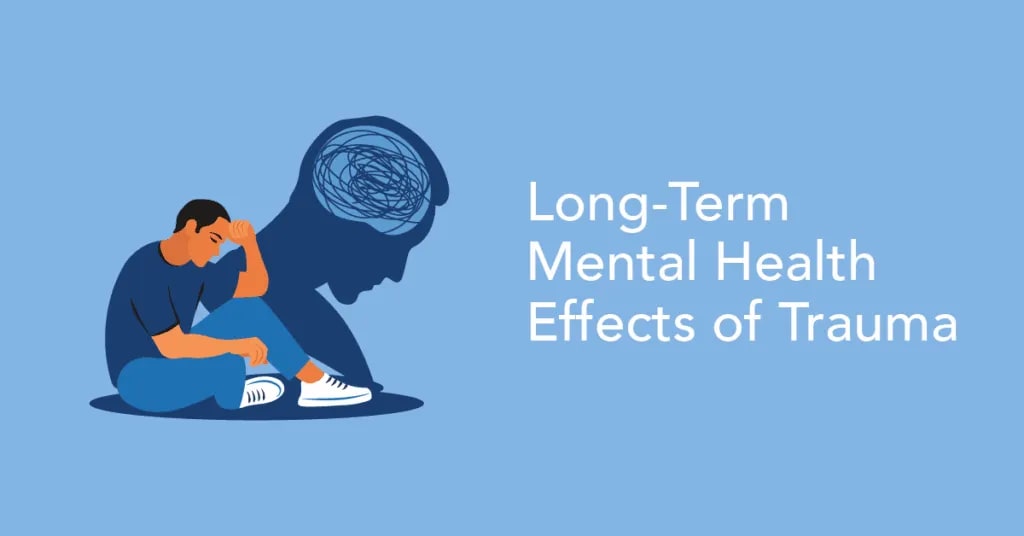
How does the brain handle trauma, and what are the paths to healing?
Trauma has an unseen but profound impact on the nervous system, body, and mind of an individual. It doesn't only live in memories—it lives in the body and brain, shaping how we behave, interact with others, feel, and think. Once we know how trauma affects the brain, we realize why healing isn't a matter of "thinking positive" or "moving on," but a compassionate, gentle process that encompasses safety, connection, and perhaps professional support.
Let us discuss how trauma changes the brain, the symptoms it creates, and how research-based we can recover from its effects.
1. What Is Trauma?
Trauma is the emotional response to an event beyond an individual's coping ability. It may result from one-time incidents (e.g., rape, accidents), repeated exposure (e.g., domestic assault, child abuse), or collective exposure (e.g., pandemics, natural disasters, war). Trauma does not involve the event but rather the psychological response of the individual.
Two people may witness the same event—One will have symptoms of trauma, the other won't. This inconsistency is due to many factors, including past experiences, resilience, support network, and brain chemistry.
2. Principal Brain Regions Affected by Trauma
Trauma affects brain development and functioning in a few principal regions:
a. Amygdala: The Alarm System
The amygdala recognizes threats and triggers the fight, flight, or freeze reaction of the body. The amygdala hyper-activates after trauma, always scanning for threats. That's why trauma survivors can be hypervigilant, jumpy, or reactive even when they're physically safe.
b. Hippocampus: The Memory Center
The hippocampus helps to structure memories into a coherent timeline. Trauma reduces the volume of the hippocampus, resulting in fractured or distorted memories. Flashbacks or dissociation result, with past and present confused.
c. Prefrontal Cortex: The Thinking Brain
This area is in charge of reasoning, planning, decision making, and managing emotions. With trauma, the prefrontal cortex is "offline," and it is hard to think rationally, make rational decisions, or manage emotions.
d. Insula and Default Mode Network
These regions assist us in processing body sensations and having a sense of self. Trauma damages these systems, making it difficult to feel grounded and connected with one's emotions and body.
3. Trauma's Impact on the Nervous System
Trauma dysregulates the autonomic nervous system. This creates two typical survival states:
Hyperarousal (fight or flight): Anxiety, irritability, insomnia, panic, hypervigilance.
Hypoarousal (freeze or shutdown): Numbness, fatigue, disconnection, depression.
This dysregulation disrupts feeling safe in one's own body or trusting others. It's not a choice—it's the brain responding and trying its best to protect the person from being hurt again.
4. Common Psychological and Emotional Effects
Trauma can lead to:
Intrusive memories or flashbacks
Nightmares or sleep disturbance
Emotional numbing or disconnection
Shame, guilt, or self-blame
Low self-esteem or identity confusion
Inability to trust others or stay in relationships
Depression, anxiety, or post-traumatic stress disorder (PTSD)
Use of drugs or self-injury as coping mechanisms
It is worth noting that not all trauma leads to PTSD. People are likely to develop complex PTSD (C-PTSD), especially after prolonged neglect or abuse, involving emotional dysregulation, negative self-image, and relationship problems.
5. Trauma in Childhood: Long-Term Effects
Adverse Childhood Experiences (ACEs), such as abuse, neglect, or household dysfunction, have been linked to:
Risk of chronic illness (heart disease, diabetes, autoimmune disease)
Increased substance abuse and mental health problems
Negative school and job outcomes
Emotional regulation and impulse control difficulties
Trauma-grown children become attachment-, self-esteem-, and emotional safety-challenged adults.
But the brain is not irreparably damaged—it can heal and rewires with appropriate assistance.
6. Healing from Trauma: What Works
Healing is not forgetting what happened—it's reducing the emotional intensity of those memories, re-establishing a sense of safety, and re-establishing connection to body, self, and others.
Some evidence-based methods of healing include:
a. Trauma-Informed Therapy
Cognitive Behavioral Therapy (CBT): Helps with changing unhelpful thinking and challenging maladaptive beliefs.
Trauma-Focused CBT (TF-CBT): Designed specifically for kids and teens.
Eye Movement Desensitization and Reprocessing (EMDR): Uses bilateral stimulation to aid with processing traumatic memories.
Somatic Experiencing: Focuses on releasing the trauma in the body.
Internal Family Systems (IFS): Helps access and heal traumatized inner parts created by the trauma.
b. Body-Based Practices
Since trauma tends to disconnect us from our bodies, somatic work is crucial:
Yoga and mindful movement: Educate on grounding and body awareness.
Breathwork and relaxation exercises: Calm the nervous system.
Massage and craniosacral therapy: Can release tension stored in a gentle manner.
c. Medication
For others, medications such as antidepressants or anti-anxiety medications may be helpful in managing symptoms as part of a treatment program. Always see a qualified psychiatrist.
d. Supportive Relationships
Healing frequently occurs in relationship. A secure, stable, and nurturing relationship can start to mend the attachment damage trauma instills.
Support groups, peer support, or even just being in the same room as someone who hears without judgment can be deeply healing.
e. Creative Expression
Journaling, art, music, and storytelling assist a person in coping with experience that defies words.
f. Psychoeducation
Understanding how trauma affects the brain reduces self-blame and legitimates symptoms. It provides survivors with the resilience to understand their responses are not deficits but survival coping strategies.
7. Recovery Is Not Linear
Trauma recovery is a journey—expect detours. Triggers will return, and relapses will happen. Healing is time-, patience-, and self-compassion-all-consuming.
It's important not to compare yourself with others or wait for miracles. Small adjustments—like saying no, practicing your breath, or sleeping better—are enormous victories.
8. The Importance of Safety
Safety is the foundation of healing from trauma. Without feeling safe, the brain won't be able to begin relaxing and healing. This safety must be both internally (grounded and relaxed) and externally (in a location that's safe and threat-free or abuse-free).
Treatment begins with the creation of this safety. Only once it's established can deeper work occur.
9. Hope After Trauma
While trauma leaves scars, it does not make up an entire individual's history. Trauma survivors become individuals with great wisdom, compassion, resilience, and strength. This is called post-traumatic growth—being able to find meaning and growth in struggle.
Healing isn't becoming the person you used to be—it is becoming integrated, whole, and empowered.
Conclusion
Trauma isn't something that just happened—it's something that lives in the body, brain, and nervous system. Recovery is always a possibility, though. With support, survivors can restore their sense of safety, reestablish trust, and live a meaningful, connected life.
If you or someone you love is grappling with the consequences of trauma, know that you're not alone. There is expert help that can be found, and healing is a real possibility.
For career mental health guidance, contact:
https://www.delhimindclinic.com/
https://www.craftcmsdeveloper.in/
Feel free to get in touch with me if you wish to overhaul your Craft website or simply discuss your Craft project. I provide a free consultation!
About the Creator
Keep reading
More stories from Naveen Garg and writers in Education and other communities.
How does journaling support recovery of mental health and regulation of emotions?
Journaling, often considered to be a simple task of recording feelings and thoughts, can be a useful tool in mental health recovery and emotional adaptation. For decades, human beings have used diaries and reflective writing as a tool of experiencing things, comprehending oneself, and finding meaning from life's challenges. Today, journaling is an established therapeutic technique with well-documented psychological benefits in the field of contemporary mental health practice.
By Naveen Garg5 months ago in Education
Taher Saifuddin: Transforming Toronto’s Classrooms with Inclusive and Future-Focused Education
In the heart of Canada’s most diverse city, Toronto educator Taher Saifuddin is quietly leading a transformation in the way learning is delivered, measured, and experienced. With over two decades of experience, Taher is recognized for his dynamic role in teaching, academic leadership, and digital innovation across Toronto’s private and independent schools.
By Dena Falken Esq5 days ago in Education
What People Get Wrong About Consulting
Many people talk about consulting, but few understand what it truly involves. Movies, social media, and word of mouth often shape a narrow view. This creates confusion for students, business owners, and even new consultants. The topic of common misconceptions about consulting matters because these beliefs affect career choices and business decisions. When ideas are wrong, expectations break down fast.
By Nicole Metz4 days ago in Education



Comments
There are no comments for this story
Be the first to respond and start the conversation.