
How does sleep impact mental health, and how may improving the quality of sleep assist emotional well-being?
Sleep impact mental health
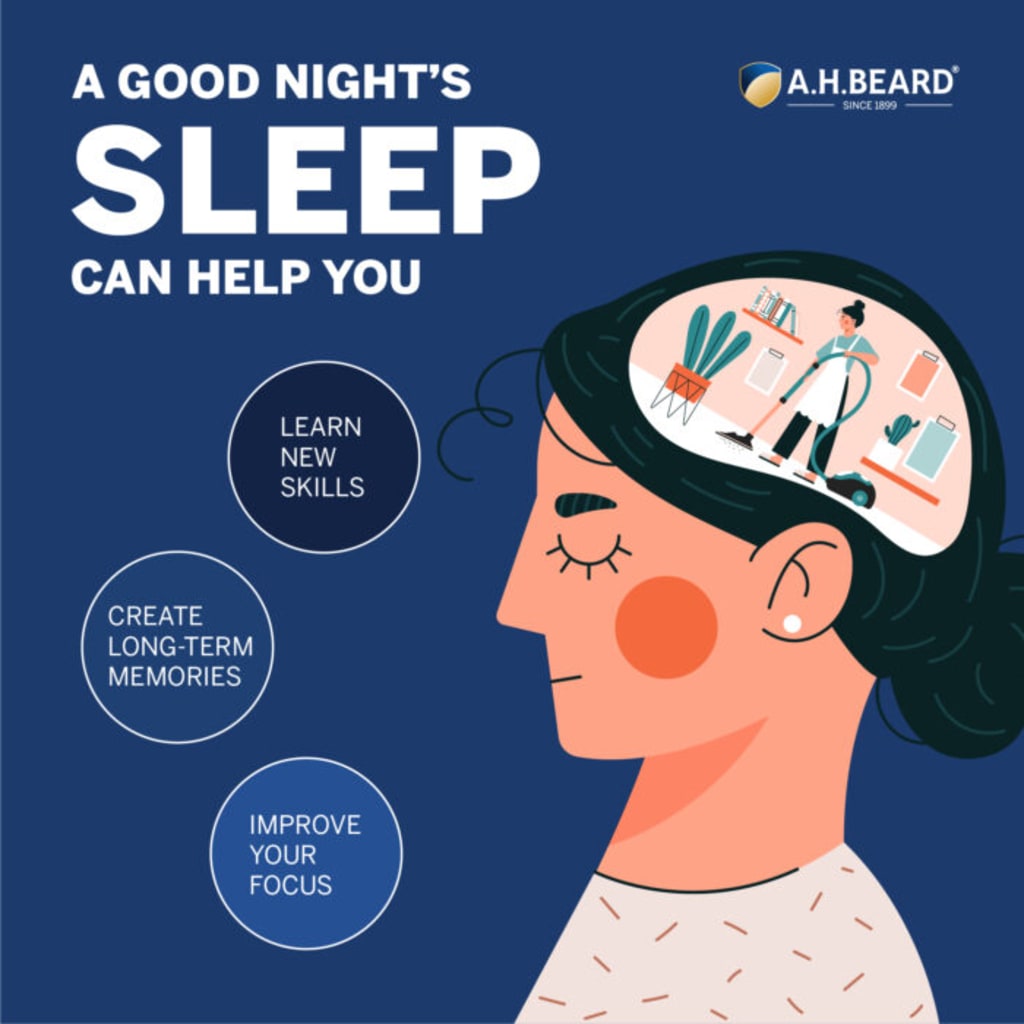
Sleep is not just a time for rest—it is an obligatory biological process that impacts our physical, cognitive, and emotional health directly. While most are aware that bad sleep makes them sleepy and sluggish, fewer realize that it can have far-reaching and enduring consequences on mental health. In fact, both sleep and mental illness also have an extremely close connection: poor sleep may cause the development of mental illness, and existing mental illness may further disrupt sleep, creating a vicious cycle.
Biologically, sleep allows the brain to renew and reset itself. Throughout deeper stages of sleep, the brain handles feelings, solidifies memory, and cleanses away metabolic trash. The REM stage is also believed to play a role in emotion regulation, problem-solving, and creative problem-solving. If sleep is disrupted or compromised, these activities are affected, and it is harder to handle stress, modulate mood, and focus.
The impact of sleep deprivation on psychological wellbeing can be significant. A few nights of disrupted sleep can lead to irritability, anxiety, reduced concentration ability, and impaired judgment. Chronic sleep deprivation increases the likelihood of the development of severe mental illness such as depression, generalized anxiety disorder, and bipolar disorder. In patients with these illnesses, disrupted sleep will usually worsen symptoms and lower the response to treatment.
One of them is the influence of sleep on neurotransmitter balance. Sleep influences serotonin, dopamine, and other neurotransmitters in the brain responsible for mood and pleasure. Disrupted sleep patterns result in imbalances in these neurotransmitters, creating mood swings, increased anxiety, and inability to find pleasure in daily activities.
Sleep's relationship to mental health is also reflected in stress. Proper sleep maintains levels of cortisol—drugs that cause the body's stress reaction—at healthy levels. Poor sleep consistently, however, leaves cortisol elevated, and so the body is always in a state of physiological distress. Anxiety levels are heightened, but the immune system is also compromised, leaving the body less able to combat disease.
Certain mental illnesses have a close relationship with specific sleep disorders:
Depression is typically related to insomnia or morning wakefulness, although a few people may experience hypersomnia (excessive sleeping).
Anxiety disorders are most likely to cause hyperarousal (racing thoughts)-related insomnias or restlessness-related insomnias.
Bipolar disease can cause abnormal sleep patterns, e.g., reduced need for sleep during manic states and too much sleep during depressive states.
PTSD (Post-Traumatic Stress Disorder) is most often linked to nightmares and disturbed sleep, and this may exacerbate symptoms.
Quality of sleep may have a profound influence on emotional well-being. The following are evidence-based, clinically established strategies:
Develop a regular sleep routine – Getting into bed and waking up at the same time every day assists in aligning the body's internal clock, allowing it to sleep and wake more readily.
Create a sleep-friendly environment – A dark, quiet, and cool bedroom is a good start. Consider using blackout curtains, earplugs, or white noise machines to reduce disturbances.
Limit screen use at night – The blue light of phones, tablets, and computers inhibits melatonin, the hormone that regulates sleep. Switching off screens at least one hour before bedtime can improve sleep onset.
Incorporate relaxation skills – Skills such as meditation, controlled breathing, and progressive muscular relaxation have the ability to calm the mind and prepare the body for sleep.
Watch diet and exercise – Caffeine and consuming large meals close to bedtime can disrupt sleep. Exercise on a regular basis can result in better sleep, but strenuous exercise should be avoided several hours before bedtime.
Address underlying psychological issues – If anxiety, depression, or some other condition is affecting sleep, professional help can help break the cycle of poor sleep and worsening mental health.
Use the bed for sleeping and relaxation purposes only – When the bed is employed for working, television viewing, or other high-stress endeavors, it is harder to relax in the evening.
Improving sleep quality
Not only does it enhance mood and resilience, but also cognitive functioning. Well-rested individuals are better equipped to concentrate, think clearly, and make sound decisions. They become more emotionally stable, and this translates into improved relationships and social functioning.
Apart from this, growing evidence indicates that sleep also plays a role in emotional memory consolidation. This is to imply that good quality sleep can help one process hurtful emotions or traumatic memory in a better way and therefore evade continuous emotional pain.
It's also worth noting that short-term modifications can yield quick improvements, but long-term mental health improvement typically requires consistent sleep schedules over the course of weeks or months. In patients with extreme or chronic sleep disorders—such as insomnia, sleep apnea, or restless legs syndrome—should be assessed by a doctor. Treating the underlying cause of sleep disturbance can yield significant improvements in both physical and mental health.
In summary, sleep must be considered one pillar of emotional health alongside nutrition and exercise. Making quality rest a priority not only benefits mental health but can also enhance the effectiveness of therapy, medication, and other therapies. By recognizing and honoring the link between sleep and the mind, people can take a mighty step towards a more balanced and healthy life.
For professional guidance and resources in mental health treatment, you can check:
https://www.delhimindclinic.com/
In case you have a Craft website and you want to make changes—or simply discuss your Craft project—you can check:
https://www.craftcmsdeveloper.in/ — Feel free to get in touch with us if you want to change your Craft website or just discuss your Craft project. I provide a complimentary consultation!
About the Creator
Keep reading
More stories from Naveen Garg and writers in Education and other communities.
How is routine exercise impacting mental health, and what is the most healthy activity for emotional well-being?
Physical activity is widely praised for its concrete physical benefits—stronger heart and cardiovascular system, stronger muscles, and increased flexibility—but its impact on mental health is no less substantial. Increasing numbers of recent studies have illustrated that fitness can also be an effective aid in the prevention, control, and even alleviation of symptoms of many of the mental disorders. This association between movement and mood is not psychological; it has a very profound foundation in brain chemistry, hormonal regulation, and nervous function.
By Naveen Garg5 months ago in Education
Smart Ways to Prevent AI From Taking Your Job
Artificial intelligence is changing the workplace faster than almost any technology before it. From automated customer service to AI-generated reports, images, and code, it’s natural to wonder: Will AI take my job?
By Anthony Bahamondeabout 6 hours ago in Education
How Learning About Global Health Gives Early Impacts to Medical Students
Medical students begin forming their professional identities long before they enter residency, and early exposure to global health giving plays a decisive role in shaping those identities. While traditional training emphasizes diagnostics and clinical precision, global learning encourages students to understand the broader human context behind every medical decision.
By Dr. Seth Eidemiller7 days ago in Education


Comments
There are no comments for this story
Be the first to respond and start the conversation.