
How is it possible for mindfulness to reduce stress and improve overall mental health?
reduce stress and improve overall mental health
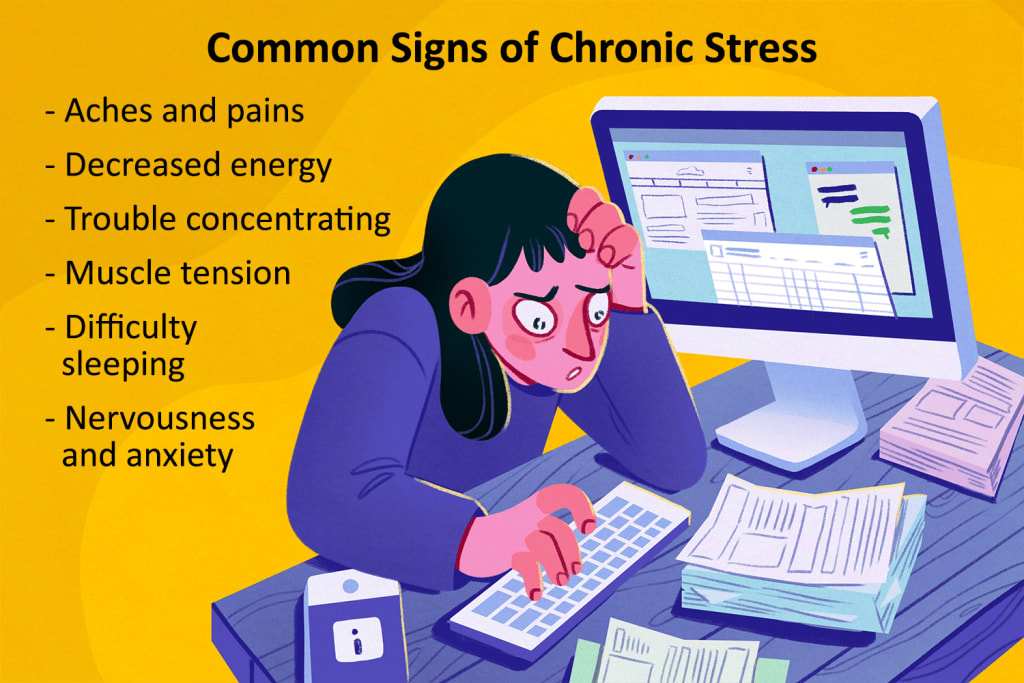
Stress is nearly a universal condition in the modern hyper-paced and constantly connected world. Many people are handling more than one duty—work, family, social life, financial commitments—and are finding themselves psychologically stretched thin. Chronic stress, if left untreated, can contribute to a plethora of physical as well as mental diseases, including anxiety disorders, depression, heart disease, sleep issues, and even compromised immunity.
While modern medicine and psychotherapy have a range of possibilities for stress management, one which has become widely recognized for both its effectiveness and simplicity is that of mindfulness. Far from being a new trend, though, mindfulness is based upon ancient contemplative traditions, namely Buddhist meditation, but has been adapted and studied within modern psychology and neuroscience.
Mindfulness is the conscious act of providing intentional, non-judgmental attention to the present moment, observing one's thoughts, feelings, bodily sensations, and environment as they are—without trying to alter or avoid them. At its core, mindfulness is awareness and acceptance. Rather than letting the mind get caught up in worries about the future or regrets about the past, mindfulness teaches us to stay grounded in the "now," where life actually occurs.
Why Stress Persists — and How Mindfulness Helps
Stress has a tendency to arise when the mind becomes trapped in what cognitive scientists call the "default mode network" (DMN). The DMN is the brain's autopilot—active when our minds are daydreaming, wandering, or thinking about the past. Helpful for planning and reflection, but overactivity leads to rumination, catastrophizing, and chronic worry.
For example, if you've gotten into a fight with a colleague, your mind may replay the conflict repeatedly, brooding about all the things you "should have" said. Or, if you're waiting to hear back from a medical test, you may jump ahead to the worst possible outcome. This mental time travel takes you away from the present moment, adds fuel to emotional suffering, and activates the body's stress response—increasing cortisol levels, speeding up the heart rate, and tightening muscles.
Mindfulness disrupts this cycle. By putting attention deliberately in the present moment—such as the sensation of the breath, the chirping of birds outside, or the feeling of your feet on the ground—you deactivate the DMN and engage networks in the brain that are responsible for sensory processing, executive function, and emotional regulation. Over time, this re-trains your brain to spend less time stuck in loops of thought and more time being present.
Scientific Evidence for Mindfulness
There is a growing body of evidence that demonstrates mindfulness can successfully reduce stress and improve mental health.
Mindfulness-Based Stress Reduction (MBSR) — Developed by Dr. Jon Kabat-Zinn at the University of Massachusetts Medical School during the late 1970s, MBSR is an eight-week program that encompasses mindfulness meditation, body awareness, and gentle yoga. Studies show that it reduces symptoms of anxiety, depression, and chronic pain, and improves sleep and quality of life.
Neuroplasticity — MRI scans reveal that mindfulness meditation can increase grey matter density in areas of the brain linked to memory (hippocampus), empathy (temporo-parietal junction), and emotional regulation (prefrontal cortex), and reduce the size and activity of the amygdala, the brain's "alarm center" for fear and stress.
Physiological Benefits — Mindfulness can lower blood pressure, heart rate, and markers of inflammation, all of which contribute to cardiovascular health.
In a landmark study in Psychosomatic Medicine, participants who practiced mindfulness meditation indicated considerably lower levels of perceived stress and had improved immune system function in comparison to a control group.
Practical Ways Mindfulness Manages Stress
Mindfulness controls stress in two interrelated manners:
Reducing the intensity of the stress response — By calming the body and mind in the here and now.
Changing your relationship to stress — By allowing you to approach challenges with greater equanimity rather than reactive fear. The following are practices to facilitate this.
1. Mindful Breathing
One of the simplest and most available mindfulness practices is mindful breathing. When you focus on your breath—without trying to control it—you create an anchor for your attention. This slows down racing thoughts and activates the parasympathetic nervous system (the "rest and digest" response).
How to practice:
Sit in a comfortable position with your back straight.
Close your eyes or relax your gaze.
Feel the sensation of the breath moving in and out of the nostrils, or the expansion and contraction of the chest or belly.
When the mind drifts (and it will), gently return it to the breath without judgment.
Five minutes a day will make a significant difference in your stress level over time.
2. Body Scan Meditation
Stress tends to manifest in the body—tight shoulders, clenched jaw, headaches. A body scan enables you to notice and release tension.
How to practice:
Lie down or sit comfortably.
Bring attention to your toes, noticing any sensations—warmth, tingling, tension.
Slowly move your attention upward: feet, calves, knees, thighs, hips, abdomen, chest, shoulders, neck, and head.
If you notice tension, breathe into the area and imagine it relaxing.
3. Mindful Eating
Rushed meals eaten while texting on your phone or watching TV deny you sensory pleasure and result in overeating. Mindful eating slows you down and reminds you of the pure act of nourishing your body.
How to practice:
Observe the colors, smells, and textures of food before eating.
Chew slowly, enjoying flavors and sensations.
Put down your utensils between bites.
Notice feelings of hunger and fullness without judgment.
4. Mindfulness in Daily Tasks
Mindfulness does not need to be formal meditation. You can introduce awareness into any task—doing the dishes, walking, showering, or listening to music. The key is to approach the task with a sense of curiosity and to release distractions.
For example, when walking, notice the feel of the ground underfoot, the rhythm of the stride, the sound of leaves rustling in the wind, and the coolness or warmth of the air.
Long-Term Mental Health Benefits
Over the long term, mindfulness cultivates a range of qualities that protect mental health:
Emotional Regulation — By observing emotions but not necessarily acting on them immediately, you create space to respond to them rather than being dictated by impulse.
Resilience — Mindfulness helps you recover from setbacks more quickly by reducing emotional overreactions.
Self-Compassion — Mindfulness develops a more accepting, less judgmental relationship with yourself, reducing self-criticism—a source of depression and anxiety.
Improved Relationships — Being fully present improves listening, empathy, and patience, so relationships with others become more resilient.
Mindfulness and Other Therapies
Mindfulness also synergistically improves other types of therapy:
Cognitive Behavioral Therapy (CBT) — Mindfulness helps you notice unhelpful thoughts sooner, so CBT techniques can be more effective.
Dialectical Behavior Therapy (DBT) — Originally developed for borderline personality disorder, DBT applies mindfulness to cope with intense emotions.
Acceptance and Commitment Therapy (ACT) — ACT uses mindfulness to build psychological flexibility—accepting what you can't change and committing to action towards your values.
Common Myths About Mindfulness
"I need to clear my head."
No—mindfulness isn't about stopping thoughts but observing them without being carried away.
"It takes hours of practice to work."
Even short daily practice can be beneficial with time. It's consistency, not duration, that counts.
"Mindfulness is religious."
While it began in Buddhism, modern mindfulness programs are secular and scientifically based.
"It's just for relaxed people."
Mindfulness is for everyone, especially those who feel stressed, anxious, or distracted—it’s a tool to develop calmness, not a prerequisite.
Getting Started with Mindfulness
If you’re new to mindfulness, begin small:
Start with 3–5 minutes of mindful breathing in the morning.
Choose one daily activity (like drinking tea) to do mindfully.
Use guided meditation apps or YouTube videos to stay on track.
With practice, mindfulness is increasingly a state of being rather than an "activity."
Conclusion
Mindfulness is a very effective, evidence-supported approach to stress reduction and improving mental well-being. By training your attention to be in the present moment without judgment, you can break up cycles of rumination and worry. The result is greater calm, emotional resilience, and satisfaction with life.
Mindfulness will not eradicate all the issues from your life—but it will change how you engage with them, creating the mental space to respond with clarity rather than react with anger or anxiety. Through daily practice, it rewires the brain for greater balance, empathy, and peace of mind.
For professional mental health services and more resources on stress management, you can visit:
https://www.delhimindclinic.com/
For website-related services, visit:
https://www.craftcmsdeveloper.in/
Feel free to reach out to me if you're interested in discussing changes to your Craft website or simply wish to discuss your Craft project. I provide a free consultation!
About the Creator
Keep reading
More stories from Naveen Garg and writers in Education and other communities.
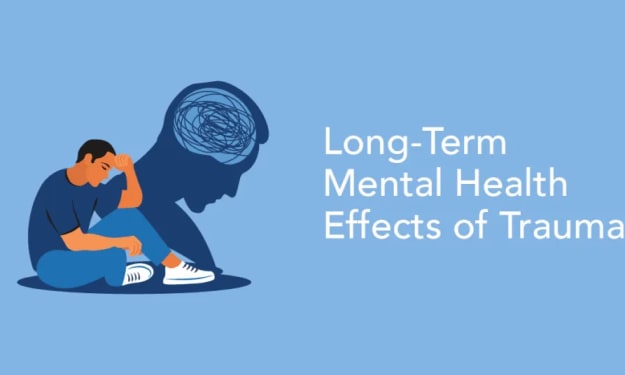
How does trauma affect the brain, and what are the pathways to healing?
Trauma can have a hidden but powerful impact on a person's mind, body, and nervous system. It does not just reside in memories—in the body and brain, it also affects how we think, feel, behave, and relate to other humans. Understanding how trauma affects the brain permits us to understand why healing does not occur by merely "thinking positively" or "moving on," but rather is a gradual, loving process involving safety, connection, and often professional support.
By Naveen Garg5 months ago in Education
How AI Is Impacting the Jobs of Website Designers and Developers
Artificial Intelligence (AI) is transforming industries across the globe, and the world of website design and development is no exception. From streamlining workflows and enhancing creativity to automating repetitive tasks and reshaping professional roles, AI’s influence is broad and deep. In this article, we explore how AI is impacting website designers and developers — the opportunities it presents, the challenges it introduces, and how professionals can adapt to thrive in an AI-augmented landscape.
By Rajiv Menon3 days ago in Education
Kiranmala: the legend of the princess who considered magic mountain
Long ago, in a land far away, the queen was panicked, her grasp on reality seemingly slipping. She had given birth to two boys and one girl. But to her horror, before even meeting their father, each child vanished, something else taking their place. She faced accusations of witchcraft and demon sorcery. And though the king loved her, he was easily swayed. He soon grew doubtful and banished his wife, who left the kingdom in anguish. Little did they know, the queen’s jealous sisters were the ones to replace the newborns
By Munesh Yadav2 days ago in Education
Center Stage with Paul Stewart
*** I'm keen to republish the interviews I did for my series with Vocal creators. It's been a few years and I thought it might be nice to revisit these wonderful conversations. I'll be releasing them one at a time for a few weeks/months.
By Heather Hubler3 days ago in Interview



Comments
There are no comments for this story
Be the first to respond and start the conversation.