
How does regular exercise help mental health, and which exercises are most appropriate to emotional health?
egular exercise help mental health
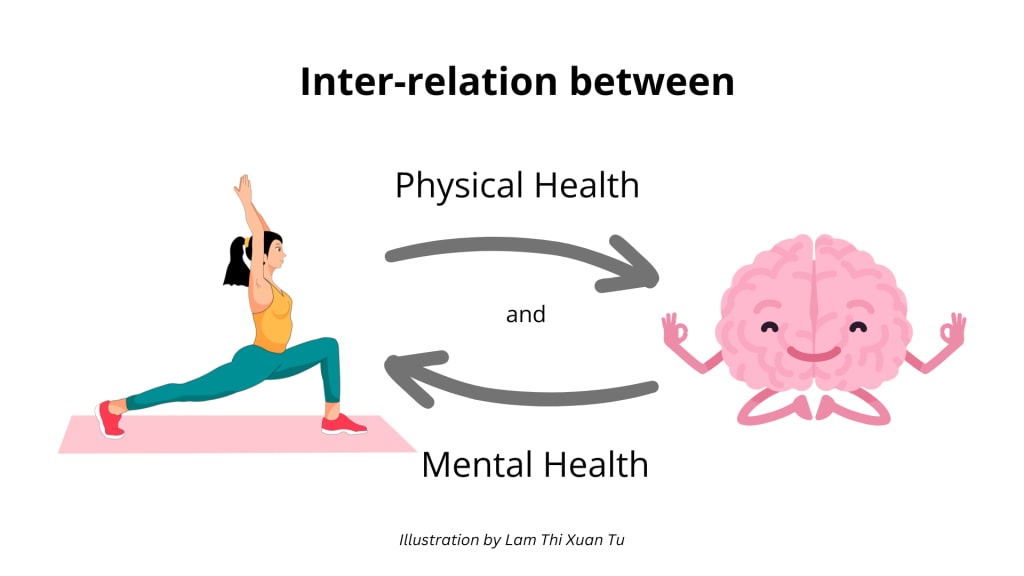
How does regular exercise help mental health, and which exercises are most appropriate to emotional health?
Exercise is widely promoted as a way to improve physical health—puffing up the heart, building up muscles, and controlling weight. But its benefits extend far beyond the body; routine exercise is an antidote to and a spur to mental well-being. Indeed, a number of studies attest that routine physical exercise can reduce symptoms of depression and anxiety, enhance mood, boost self-esteem, and enhance cognitive functioning. It is an expansive, low-cost, and powerful tool for fostering emotional well-being.
Why Exercise is Good for the Brain and Mind
1. Neurochemical Benefits
Exercise causes the brain to release a variety of chemicals—such as endorphins, dopamine, serotonin, and norepinephrine—that are responsible for mood control and relief from stress. Endorphins are pain relievers and mood enhancers produced naturally in the body and are referred to as the "feel-good" chemicals. Serotonin and dopamine are neurotransmitters that are related to improved mood, motivation, and reward.
2. Stress Reduction
Exercise reduces the body's levels of stress hormones like cortisol and adrenaline. When they accumulate in large quantities over the long term (due to chronic stress), they cause anxiety, irritability, and insomnia. Exercise maintains these hormones at healthy levels.
3. Improved Sleep
Healthy sleep is critical to mental health, and exercise is a natural somnogen. By regulating the body's circadian rhythm and causing physical fatigue, routine exercise can lead to enhanced, restorative sleep.
4. Brain Health and Cognitive Function
Physical exercise also releases brain-derived neurotrophic factor (BDNF), a protein that preserves the health and growth of neurons. This improves learning, memory, and general cognitive function, which can reduce the risk of age-related cognitive decline.
5. Body Image and Self-Esteem
Exercise can boost self-image and self-esteem—not just because of physical changes, but also because it gives a sense of achievement, self-control, and self-nurturing.
Types of Exercise and Mental Health Benefits
Several types of physical activity can be beneficial to mental health in distinct ways. The "best" exercise for someone is often the one that they most enjoy doing and can most easily maintain.
1. Aerobic Exercise (Cardio)
Examples: jogging, cycling, swimming, dancing
Mental health benefits: increases endorphin levels, reduces anxiety, enhances mood, and enhances cardiovascular health.
Cardio-related activities are best at reducing symptoms of depression.
2. Strength Training
Examples: weight training, resistance bands, bodyweight exercises
Mental health benefits: Boosts confidence and self-efficacy, preserves bone health, and promotes positive self-view.
Strength training also reduces symptoms of depression, especially when supplemented with aerobic exercise.
3. Mind-Body Exercises
Examples: yoga, tai chi, Pilates
Mental health benefits: Synchronizes physical movement with mind, reducing stress and improving emotional regulation.
Yoga in particular is associated with decreased anxiety and improved emotional control.
4. Outdoor Activities
Examples: hiking, outdoor games, gardening
Mental health benefits: Exposes the person to sunlight (raises vitamin D levels), increases mindfulness, and reduces stress by virtue of contact with nature.
5. Team Sports or Group Exercise
Examples: group dances, fitness class, football
Mental health benefits: Combines the physical benefits of exercise with social interaction, providing feelings of belonging.
How Much Exercise is Enough for Mental Health Benefits?
The World Health Organization (WHO) recommends:
150 minutes of moderate-intensity physical activity per week (e.g., brisk walking, light cycling)
Or 75 minutes of vigorous-intensity physical activity per week (e.g., running, HIIT classes)
Strength training exercises at least twice a week
Even small amounts of movement—like a 10-minute walk—can boost your mood immediately. Consistency beats intensity; it's more important to do consistent, moderate exercise every day than it is to do high-intensity exercise sporadically.
Practical Tips for Making Exercise a Sustainable Habit
Choose Fun Activities – You'll be more likely to stick with a routine if you actually enjoy the activity, whether it's dancing, swimming, or hiking.
Start Small – Begin small with 10–15 minute, short workouts and gradually increase duration and intensity.
Set Realistic Expectations – Emphasize consistency rather than perfection. Reward tiny successes.
Take Exercise as a Break – Incorporate movement into work break times to rest your mind.
Combine Social Interaction – Exercise with friends or take group classes to boost motivation.
Monitor Your Progress – Journal or app to track gains in mood, energy, and fitness.
Barriers to Exercise
Most individuals find it difficult to exercise regularly because of time, lack of motivation, or physical impediments. Some useful tips are:
Time management – Plan workout sessions like any other significant appointment.
Accountability – Bring a workout partner or join a class.
Adaptability – If mobility issues or health concerns exist, incorporate low-impact exercises that are within your abilities.
Mindset shift – See exercise as self-care, not punishment.
When Exercise Becomes Counterproductive
Regular exercise is a healthy thing, but over-exercising can lead to burnout, injury, and even worsen anxiety due to fatigue of the body. Be in touch with your body and give it adequate rest and recovery.
The Bottom Line
Exercise is among the finest, most convenient, and most thorough means to support mental health. A walk in the park, a yoga session, or a visit to the gym—all of these foster a positive mood, reduce stress, improve sleep, and boost self-esteem. You don't need to be an athlete in order to reap benefits—moving regularly in something you like can have a tremendous effect on emotional well-being.
For professional help and guidance on mental health treatment, visit:
https://www.delhimindclinic.com/
If you are on Craft CMS and want modifications done—or just discuss your project—you can visit:
https://www.craftcmsdeveloper.in/ — Please call if you want modifications done in your Craft site or just discuss your Craft project. I provide a free consultation!
About the Creator
Keep reading
More stories from Naveen Garg and writers in Education and other communities.
What is the role of social connection in mental health, and how may one deepen his or her relationships for enhanced emotional well-being?
Human beings are a social species. From infancy through to old age, our lives are heavily influenced by relationships—family, friends, co-workers, and the wider community. Social connection is not merely a pleasant aspect of life; it is a fundamental human need with profound effects on emotional health and general well-being. All studies consistently show that people who have close, supportive relationships are less stressed, heal quicker after illness, and enjoy healthier, happier lives. Conversely, loneliness and social isolation have been linked to increased risk for depression, anxiety, cognitive decline, and even premature death.
By Naveen Garg5 months ago in Education
The Confidence Advantage: How Transparent Communication Builds Lasting Investor Trust
Investor relationships thrive on more than financial returns. While performance attracts attention, trust sustains commitment over time. In an environment shaped by rapid information flow and shifting market conditions, transparency has become one of the most powerful tools for building and maintaining investor confidence. When organizations communicate clearly and consistently, they strengthen relationships that endure well beyond short-term results.
By Michael Christopher Venturinoabout 6 hours ago in Education
Golf Handicap Reduction Without a Swing Overhaul: Smarter Ways to Play Better Golf
Lowering your handicap does not always require technical changes or hours on the range; it requires rebuilding your swing. Many golfers overlook the fact that scoring improvement often comes from strategic thinking, mental discipline, and better preparation. By focusing on how you play rather than how you swing, you can unlock consistent progress and enjoy the game more. This article explores practical, on-course methods that help you shoot lower scores while keeping your swing exactly as it is.
By Ian Schenkel Haliburtonabout 7 hours ago in Education




Comments
There are no comments for this story
Be the first to respond and start the conversation.