
How is , and what are the best forms of physical activity for emotional health?
mental health improved by regular exercise
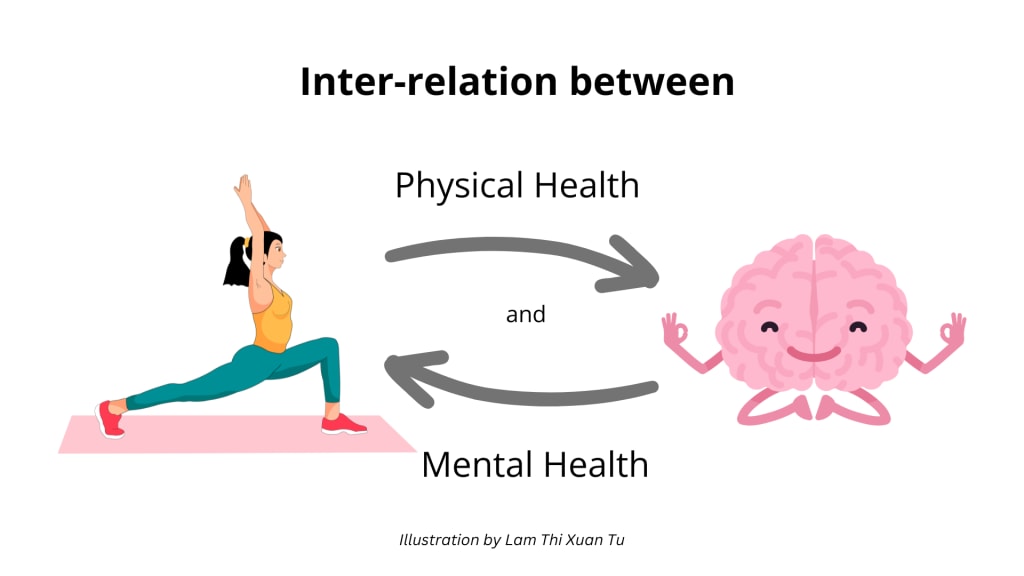
Exercise is most commonly associated with physical fitness, weight control, and cardiovascular health—but its impact on mental health is also noteworthy. Physical activity, in turn, has been shown to reduce symptoms of depression, anxiety, and stress, as well as improve mood, cognitive function, and overall quality of life. These impacts are not limited to high-intensity training; even moderate amounts of movement can have a noticeable impact on mental health.
The connection between exercise and mental well-being is explained by both biological and psychological processes. Biologically, exercise induces the release of endorphins, which are chemicals in the brain that function as natural pain relievers and mood enhancers. Exercise also enhances the levels of important neurotransmitters including serotonin, dopamine, and norepinephrine—chemicals responsible for controlling mood, motivation, and concentration.
Besides, exercise is also used to develop neuroplasticity—the brain's ability to develop and consolidate new pathways of the nerves. This is also beneficial for depressed or anxious people as it may reverse some of the structural and functional changes in the brain that are typical of such states. Exercise maximizes blood circulation to the brain, delivering oxygen and nutrients that support cognitive function and mental clarity.
Psychologically, exercise provides a sense of accomplishment, increases self-esteem, and enables mastery over activities. It is also a healthy coping mechanism, distracting from negative thoughts and offering an effective means of tension release. Group activities, for instance, team sports or exercise classes, also foster social relationships, which are critical in being emotionally resilient.
The benefits of exercise for mental health are:
Reduced depression symptoms – Regular aerobic exercise, such as walking, cycling, or swimming, has been found to be as effective as medication in reducing symptoms of mild to moderate depression.
Reduced anxiety – Exercise helps the body's stress response system balance out, reducing physiological indicators of anxiety such as heightened heart rate and cortisol levels.
Improved sleep – Physical activity enhances the quality and duration of sleep, and aids in more efficient mood management.
Improved cognitive function – Regular exercise has been linked to improved memory, focus, and decision-making capacity.
Enhanced stress management – Exercise promotes relaxation and prevents the buildup of stress to unmanageable levels.
For exercise activities, the optimal one is often the most enjoyable and enduring because repetition is the key to success. However, research suggests there are certain activities that are profoundly beneficial for mental health:
Aerobic Exercise – Workouts such as jogging, brisk walking, swimming, or dancing raise heart rate and blood flow, which causes the release of happy neurotransmitters. Even 20–30 minutes of moderate aerobic exercise several times a week can have a huge impact on improving mood.
Strength Training – Weightlifting or resistance band exercises not only enhances muscle tone and bone density but also builds confidence and self-esteem, which can help to overcome depression and anxiety symptoms.
Mind-Body Exercises – Yoga, tai chi, and Pilates combine movement with control over breathing and awareness, reducing stress and causing relaxation. These exercises also increase flexibility, balance, and body awareness.
Outdoor Exercise – Exercise outside in the great outdoors, such as walking or cycling in parks, is found to be more effective in stress reduction and mental fatigue relief than indoor exercise, partly attributed to nature exposure, sunlight, and fresh air.
Group Fitness – Group exercise or sports participation can enhance social interaction, accountability, and motivation, all for which contribute to better mental health.
Pragmatic tips for using exercise as a tool for mental well-being:
Start small and build incrementally – Brief periods of exercise (10–15 minutes) can be effective and can more easily be included in a busy schedule.
Choose activities that bring you pleasure – Pleasure increases the likelihood of establishing a long-term habit.
Incorporate exercise and mindfulness – Adding awareness of the sensations of movement, breathing, and setting to exercise can enhance the benefits to mental health.
Set achievable goals – Goals that are within reach foster feelings of accomplishment and diminish the likelihood of frustration or burnout.
Monitor progress – Writing down progress or utilizing fitness apps may assist in staying motivated.
Remember that exercise is a very valuable mental health aid, but not a replacement for professional treatment if it is indicated. Individuals who have extremely severe depression, anxiety, or other mental health problems should see a healthcare provider. In many cases, therapy, medication, and lifestyle changes—such as regular exercise—work most effectively together.
Overall, physical exercise is far more than a tool for increasing sports performance or beauty. It is an evidence-based, low-cost, and available means of enhancing emotional and mental well-being. Whether a daily walk, yoga exercises, or lifting weights in a health club, consistent exercise can promote resiliency, improve mood, and serve as a sound foundation for general life satisfaction.
For professional services and consultations on mental health care, visit:
https://www.delhimindclinic.com/
If you are a Craft CMS developer and would like to make changes—or simply discuss your project—stop by:
https://www.craftcmsdeveloper.in/ — Feel free to reach out if you'd like to make changes to your Craft site or simply discuss your Craft project. I'm here for a complimentary consultation!
About the Creator
Keep reading
More stories from Naveen Garg and writers in Education and other communities.
How does sleep impact mental health, and how may improving the quality of sleep assist emotional well-being?
Sleep is not just a time for rest—it is an obligatory biological process that impacts our physical, cognitive, and emotional health directly. While most are aware that bad sleep makes them sleepy and sluggish, fewer realize that it can have far-reaching and enduring consequences on mental health. In fact, both sleep and mental illness also have an extremely close connection: poor sleep may cause the development of mental illness, and existing mental illness may further disrupt sleep, creating a vicious cycle.
By Naveen Garg5 months ago in Education
How Milwaukee Businesses Misjudge Mobile App Timelines?
Timeline optimism is one of the most expensive habits in software. In Milwaukee, it shows up quietly. A launch date is set to align with a trade show. A quarter-end deadline is chosen to please leadership. A six-month roadmap is approved because “the features aren’t that complex.” On paper, everything looks reasonable.
By Mary L. Rodriquez7 days ago in Education
The Insurrection Act
Introduction The Insurrection Act is a law in the United States of America. It allows the President of the United States to use the military to deal with serious problems inside the country. This law is very important because it can be used when there is a rebellion, violence, or lawlessness that cannot be controlled by normal police forces. The act has been in use for many years and is sometimes a topic of debate because it gives the President significant power.
By Farhan Sayed3 days ago in Education
Miss Persephone's Manual to a Seemingly Ordinary Life
Miss Persephone was found at the dining table, her blue eyes swollen, her tears arriving and retreating like the tides of the ocean. Earlier that day, her family had visited her in the retirement home where she had lived for eight years. It was her eightieth birthday.
By Imola Tóth3 days ago in Fiction




Comments
There are no comments for this story
Be the first to respond and start the conversation.