
What is the role of social connection in mental health, and how may one deepen his or her relationships for enhanced emotional well-being?
social connection in mental health
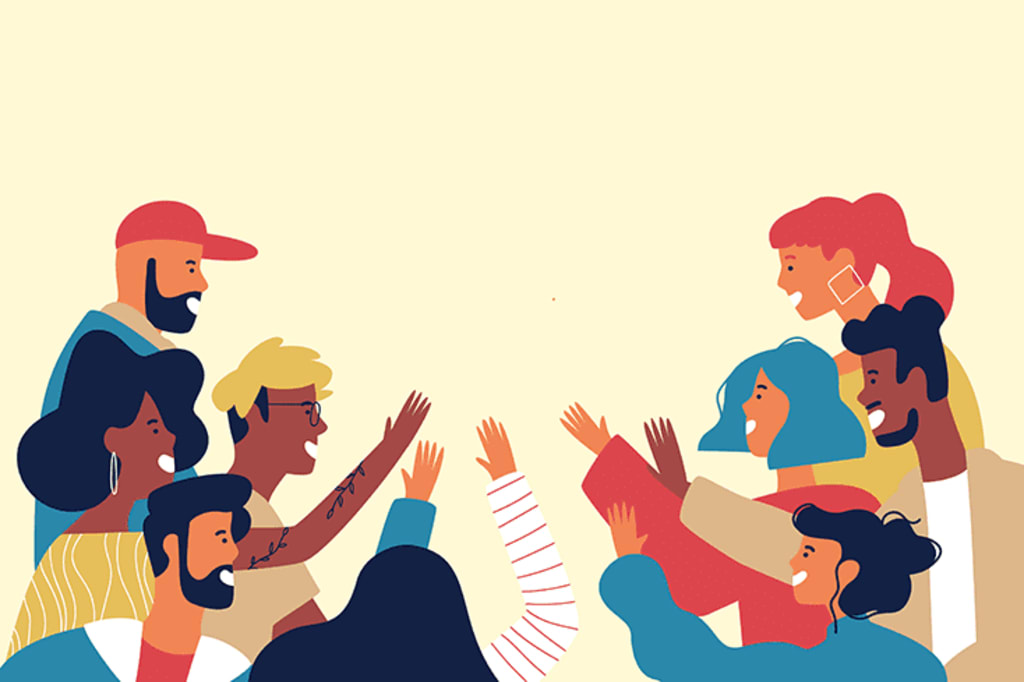
Human beings are a social species. From infancy through to old age, our lives are heavily influenced by relationships—family, friends, co-workers, and the wider community. Social connection is not merely a pleasant aspect of life; it is a fundamental human need with profound effects on emotional health and general well-being. All studies consistently show that people who have close, supportive relationships are less stressed, heal quicker after illness, and enjoy healthier, happier lives. Conversely, loneliness and social isolation have been linked to increased risk for depression, anxiety, cognitive decline, and even premature death.
The mental health advantage of firm social bonds can be understood through emotional and biological mechanisms. Emotionally, close relationships are comforting in times of adversity, assist in coping with challenges, and strengthen a feeling of belonging. Feeling valued and known by others enhances self-esteem and acts as a buffer against life's stressors.
Biologically, social interaction will reduce levels of cortisol (a stress hormone), reduce body inflammatory processes, and cause release of oxytocin, also known as the "bonding hormone." Oxytocin causes feelings of trust, security, and bonding, further reinforcing positive emotional states. Social interaction is also linked to enhanced body autonomic nervous system regulation, which keeps heart rate, blood pressure, and immunity at healthy levels.
Benefits of social bonding to mental health are:
Reduced risk of depression and anxiety – Friendship with people close to an individual can act as a protection against mental disease.
Greater resilience – Strong relationships allow people to bounce back more quickly from adversity by access to practical and emotional support.
Improved self-esteem – Being accepted and valued by others is likely to lead to a healthier sense of self.
Lowered stress levels – Talking things over with others makes them appear less intimidating and more manageable.
Enhanced cognitive function – Socialization keeps one's mind active and can help to avoid age-related cognitive deterioration.
Signs that you may need to strengthen your social connections:
Feeling isolated or alone, even among people
Having few close friends or relatives with whom you feel safe sharing your concerns
Spending long periods without meaningful conversation
Social isolation resulting from low mood or anxiety
Disconnection or feeling of not belonging
How to establish and maintain social relationships:
Quality Over Quantity – It is more desirable to have a few close, trusting relationships than numerous shallow acquaintances. Focus on developing trusting, empathic relationships with the people who matter in your life.
Maintain Regular Contact – Relationships need regular maintenance. Establish a call routine, text, or create face-to-face meetings to maintain contact, even when life becomes busy.
Be a Good Listener – Active listening—giving the other individual your full attention without judgment—fosters trust and understanding. It shows that you value the other individual's perspective.
Share Weaknesses – Being vulnerable with your thoughts, fears, and struggles makes relationships stronger. Two-way sharing builds emotional intimacy and strengthens relationships.
Join Clubs or Communities – Clubs, volunteer organizations, or activity clubs offer opportunities to meet like-minded people and form new friendships.
Use Technology Appropriately – Social media and messaging platforms can be employed to build relationships, but they have to support—not substitute—face-to-face conversation.
Practice Empathy and Support – Be present for people in times of need, just as you would want them to be present for you. Small gestures of kindness can go a long way in making relationships stronger.
Balance Giving and Receiving – Reciprocity is the building block of healthy relationships. One must be kind and helpful, but equally important is to allow others to help you as well.
Breaking barriers of social connection
For some, it is hard to form or maintain relationships due to social anxiety, past trauma, or mental illness. If reaching out is overwhelming, start slowly. Write a brief note to someone you feel at ease with, or take a low-key group activity like a class or walking group. Slowly increasing social contacts can ease discomfort and build confidence.
Treatment may also be a significant aspect of developing social skills and overcoming issues such as fear of rejection, trust problems, or inadequacy. Cognitive-behavioral therapy (CBT), for example, may help reframe negative thoughts that can be obstacles to attachments.
Keep in mind that quality relationships are not just about emotional support—there is potentially a common purpose, laughter, mutual growth, and common experience. Focusing on these kinds of relationships is one of the most effective ways to boost life satisfaction and resilience.
Daily practical steps to build greater connection:
Take an effort to greet neighbors or colleagues with a smile.
Send a "thinking of you" card to a friend.
Set aside time each week for social activities, even if they’re virtual.
Practice gratitude by telling people you appreciate them.
Volunteer for causes you care about to meet people with similar values.
In short, connection isn't a luxury—it's a fundamental aspect of mental and emotional well-being. Building relationships requires work, compassion, and effort, but the reward is enormous: better mood, greater resilience, better physical health, and a more resilient, rich life. Regardless of whether by strengthening the relationships you have or forming new ones, prioritizing connection can be one of the most effective investments you can make in your mental well-being.
For professional guidance and consultation on treating mental health, visit:
https://www.delhimindclinic.com/
If you're a Craft CMS user and would like to make changes—or just discuss your project—you can visit:
https://www.craftcmsdeveloper.in/ — You can reach out to me if you wish to alter your Craft website or simply discuss your Craft project. I'm here for a consultation for free!
About the Creator
Keep reading
More stories from Naveen Garg and writers in Education and other communities.
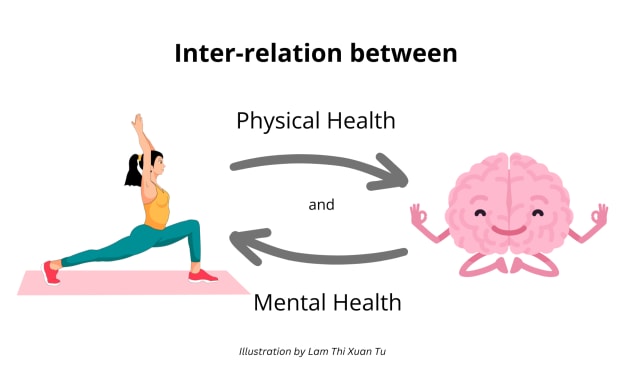
How is , and what are the best forms of physical activity for emotional health?
Exercise is most commonly associated with physical fitness, weight control, and cardiovascular health—but its impact on mental health is also noteworthy. Physical activity, in turn, has been shown to reduce symptoms of depression, anxiety, and stress, as well as improve mood, cognitive function, and overall quality of life. These impacts are not limited to high-intensity training; even moderate amounts of movement can have a noticeable impact on mental health.
By Naveen Garg5 months ago in Education
Smart Storage & Grading for U.S. Coin Collections: a Checklist
Phase 1: First Aid for Your Collection (The 24-Hour Triage) Before buying any special supplies, you need to perform some emergency triage. Think of this as stopping the bleeding. The goal here is to prevent any active damage right now.
By Laura Bennettabout 23 hours ago in Education
How Neuroscience Is Changing the Way We Learn
In recent decades, advances in neuroscience have reshaped our understanding of human learning. Rather than viewing learning as merely memorizing facts, researchers now see it as a biological process that physically and functionally changes the brain. This shift in perspective — from teaching content to understanding how the brain learns — is transforming educational theory, classroom practice, and lifelong learning strategies across the globe.
By Games Mode Onabout 22 hours ago in Education


Comments
There are no comments for this story
Be the first to respond and start the conversation.