politics
Politics does not dictate our collective cultural mindset as much as it simply reflects it; We've got to look in the mirror sometimes, and we've got one.
Swiss Bar Fire: Could a Simple Foam Check Have Saved Lives
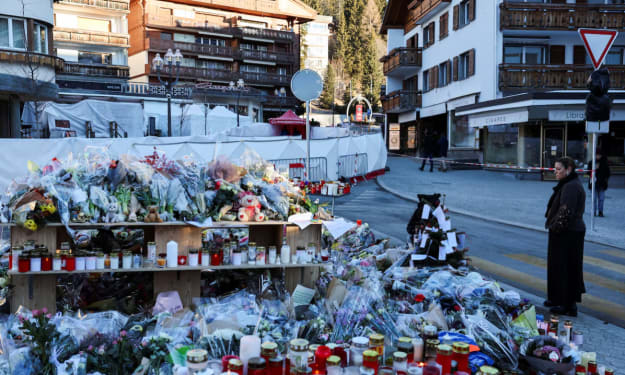
It was supposed to be a night of celebration. New Year’s Eve in Crans‑Montana, a picturesque Swiss ski resort, brought together locals, tourists, and thrill-seekers ready to welcome 2026. But what happened inside a popular bar that night turned a celebration into a tragedy: a devastating fire that claimed at least 40 lives and injured more than 100 people. As authorities investigate, one detail has emerged as particularly shocking: the bar’s soundproofing foam — the material used to absorb sound in the basement — caught fire almost instantly. Officials now say that this foam should have been checked by law as part of regular safety inspections. Let’s take a closer look at what went wrong, why this simple detail became deadly, and what lessons this tragedy holds for the future. When Fun Turns Fatal The fire happened at Le Constellation, a bar known for its lively parties and basement dance floor. Reports suggest the blaze began when sparklers or small fireworks touched the foam on the ceiling. Within minutes, the fire spread faster than anyone could react. What made this incident particularly horrific wasn’t just the blaze itself — it was how quickly it turned deadly. Victims were trapped in narrow stairways, and many were teenagers or young adults celebrating the New Year. Families and friends are now left grappling with a tragedy that could have been prevented. A Legal Blind Spot? Here’s where the story gets complicated. According to Crans‑Montana’s mayor, Nicolas Féraud, the bar hadn’t undergone a safety inspection in over five years, despite laws calling for annual checks. But the mayor also suggested that the law didn’t explicitly require foam checks, implying that inspectors might not have been at fault. Enter Stephane Ganzer, the canton’s head of security. Ganzer disagreed, stating clearly that Swiss regulations cover fire-risk materials, including soundproofing foams. In other words, someone should have noticed the potential hazard — either the bar owners or the authorities. This clash between statements highlights a serious problem: even in a country like Switzerland, known for meticulous safety standards, ambiguities in law enforcement can have deadly consequences. Why Foam Matters Soundproofing foam is common in bars, clubs, and music venues. It absorbs noise, makes parties more enjoyable, and protects neighbors from sound complaints. But most people don’t think of it as a fire hazard. In reality, not all acoustic foam is fire-resistant. Some can ignite easily, especially when exposed to sparks or heat sources. If properly tested and inspected, however, flammable foam can be replaced or treated to reduce risk. At Le Constellation, investigators say the foam wasn’t fire-rated and hadn’t been checked in years — a tiny detail that turned into a deadly flaw. The Aftermath: Accountability and Questions Now, the big questions are legal. Authorities are investigating the bar’s owners for possible negligence. They’re also examining whether regulators failed to enforce safety inspections properly. Key points under investigation: Were annual safety inspections skipped? Should inspectors have checked the foam as part of fire safety compliance? Could stricter enforcement have prevented the disaster? Courts will ultimately decide responsibility, but the case is already shining a light on gaps in safety regulations that many assumed didn’t exist. Lessons for Public Safety This isn’t just a Swiss issue. Around the world, fire safety rules exist on paper, but enforcement can be inconsistent. Tragic events like this remind us that small oversights can have catastrophic consequences. Here are some lessons to take away: Regular Inspections Matter: Safety checks should be thorough and consistent, not just a tick-box exercise. Material Matters: Foam, décor, and finishes in public venues should always be fire-rated. Clear Legal Guidelines: Authorities and business owners need specific rules, not vague suggestions. Public Awareness: Staff and patrons should know emergency exits and safety procedures. It’s a painful truth that in this case, a seemingly minor detail — soundproofing foam — became the difference between life and death. Looking Ahead The Crans‑Montana fire will likely trigger changes in fire safety policy across Switzerland. Expect stricter enforcement, clearer inspection guidelines, and possibly mandatory fire-resistant materials in venues nationwide. For bar owners and event planners, the warning is clear: don’t assume safety compliance is automatic. Regular checks, fire-resistant materials, and staff training aren’t just bureaucratic steps — they’re lifesaving measures. And for the rest of us, the tragedy is a stark reminder: even in countries with strong regulations, vigilance matters. It’s a heartbreaking lesson that fire safety is never just a detail — it can be the difference between a celebration and a catastrophe.
By Muhammad Hassan17 days ago in The Swamp
Yemen Separatist Leader Fails to Attend Crisis Talks as Saudi-UAE Rift Deepens. AI-Generated.
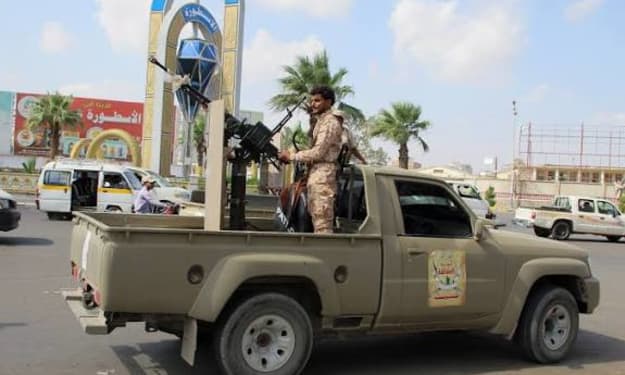
Yemen’s ongoing conflict has entered another precarious phase as a key separatist leader failed to attend high-stakes crisis talks aimed at resolving tensions in the southern regions of the country. The absence has intensified concerns over the fragile peace process and highlighted the widening rift between Saudi Arabia and the United Arab Emirates (UAE), both of which have historically played pivotal roles in the country’s conflict dynamics. Background: The Southern Yemen Conflict Southern Yemen has long been a focal point of the nation’s multifaceted conflict, which began in earnest after the Houthi takeover of Sana’a in 2014. In the south, the Southern Transitional Council (STC), a UAE-backed separatist faction, has been pushing for greater autonomy and, in some instances, full independence from the internationally recognised Yemeni government, which is largely supported by Saudi Arabia. Tensions between the STC and the Yemeni government have often resulted in clashes, creating a complex theatre where regional powers’ competing interests intersect. The Saudi-led coalition, which initially included the UAE as a key partner, has been engaged in a delicate balancing act, supporting the Yemeni government while attempting to manage its alliance with southern separatists. The Crisis Talks The recent crisis talks were convened in Riyadh under Saudi auspices, with the objective of addressing territorial disputes, power-sharing arrangements, and the broader security situation in southern Yemen. Delegates from the Yemeni government, Saudi officials, and representatives of the UAE-backed STC were expected to attend. However, the STC’s decision not to send its leader to the negotiations sent shockwaves through diplomatic circles. Official statements cited logistical concerns, but analysts suggest that the absence reflects deepening mistrust within the coalition itself and a strategic move by the separatists to assert leverage amid the shifting regional dynamics. Saudi-UAE Rift The failure to secure full participation from all parties comes amid mounting tensions between Saudi Arabia and the UAE, two regional heavyweights whose coordination has historically shaped the course of Yemen’s conflict. Reports indicate that disagreements over influence in southern Yemen, economic projects, and military command structures have eroded the unity of the coalition. The UAE, which has historically backed the STC, has reportedly pursued policies that sometimes diverge from Riyadh’s objectives, including building local security forces in southern territories and asserting control over strategic ports. Saudi officials, in contrast, have prioritised restoring the Yemeni government’s authority over the south. This divergence has fueled uncertainty about the coalition’s ability to present a united front, complicating peace initiatives and increasing the likelihood of localised conflict flare-ups. Implications for Yemen The absence of the separatist leader has raised serious concerns about the future of Yemen’s fragile peace process. Without the full cooperation of southern factions, negotiations risk being stalled, potentially prolonging instability in key port cities like Aden and Mukalla, which are crucial for humanitarian aid and regional trade. Moreover, ongoing political fragmentation hampers efforts to tackle Yemen’s humanitarian crisis, which the United Nations describes as one of the world’s worst. Millions of Yemenis face food insecurity, disrupted healthcare, and the threat of cholera outbreaks, making any delay in stabilisation particularly perilous. Regional and International Response International actors, including the United Nations and the United States, have expressed concern over the breakdown in dialogue and urged both Saudi Arabia and the UAE to intensify their diplomatic coordination. The UN Special Envoy for Yemen has stressed that the absence of a key player undermines efforts to achieve a sustainable settlement and warned that continued inaction could exacerbate conflict and humanitarian suffering. Meanwhile, regional observers note that the Saudi-UAE rift may embolden other actors, including the Houthis, to exploit divisions in the coalition for territorial and political gains. The current discord also raises questions about the long-term viability of external interventions in Yemen, highlighting the need for a coherent strategy among regional powers. Looking Ahead The coming weeks will be critical for Yemen. Efforts to reschedule the crisis talks and bring all parties to the negotiating table may determine whether a path toward stability can be carved out or if southern Yemen will descend further into chaos. Analysts emphasize that meaningful engagement with separatist leaders is essential, alongside mechanisms to reconcile divergent agendas among coalition partners. At the same time, there is a growing call for the international community to prioritise humanitarian relief and development initiatives, independent of political negotiations, to prevent further deterioration of living conditions for millions of civilians. Conclusion The absence of Yemen’s separatist leader at the latest crisis talks underscores the fragility of peace efforts in the region. Coupled with the widening rift between Saudi Arabia and the UAE, it highlights the challenges of navigating a conflict shaped as much by internal divisions as by external power dynamics. For Yemenis, the stakes are existential: without political compromise and effective coordination among regional actors, instability, humanitarian suffering, and violence are likely to persist. The world watches closely as diplomatic efforts unfold, with the hope that dialogue, rather than division, will guide the future of southern Yemen.
By Fiaz Ahmed Brohi17 days ago in The Swamp
US to Withdraw from Dozens of UN, International Organisations: Implications for Global Diplomacy. AI-Generated.
In a bold and controversial move, the United States government has announced its intention to withdraw from dozens of United Nations and other international organisations, marking a significant shift in its approach to global diplomacy. Officials describe the decision as part of a broader effort to prioritise American interests and reduce financial contributions to multilateral bodies. However, critics warn that this strategy could have far-reaching consequences for international cooperation, global governance, and the US’s standing on the world stage. The Scope of the Withdrawal According to statements from the State Department, the withdrawal will affect multiple UN agencies, including specialised organisations dealing with health, trade, and development, as well as a variety of international bodies outside the UN framework. The exact list of organisations has not been fully disclosed, but insiders suggest that it could involve entities responsible for global humanitarian aid, environmental monitoring, and human rights oversight. The move signals a clear pivot away from multilateralism, echoing past trends where US administrations have questioned the value of international institutions and sought to recalibrate engagement based on national interests. Proponents argue that the United States has been disproportionately burdened with funding and compliance obligations while receiving limited tangible benefits. Reasons Behind the Decision Officials have framed the withdrawals as a strategic recalibration. The US contributes billions of dollars annually to international organisations, and critics within the administration argue that these contributions do not always align with American priorities. By reducing involvement, the government hopes to redirect funds toward domestic priorities, including infrastructure, defence, and public welfare programs. Additionally, some policymakers have expressed frustration with what they perceive as inefficiencies, bureaucracy, and politicisation within these organisations. By stepping back, the United States aims to exert greater control over how its resources are allocated and ensure that international engagements serve concrete national interests. Global Repercussions The withdrawal has raised alarm among diplomats, experts, and allies worldwide. International organisations often rely heavily on US funding and influence to maintain operations. With the United States stepping away, several programs—particularly those in healthcare, humanitarian aid, and conflict mediation—may face funding shortfalls, potentially impacting millions globally. Experts also warn that this move could embolden other nations to follow suit, weakening the effectiveness of international governance. “The US has historically been a cornerstone of global diplomacy,” said a former UN official. “A withdrawal of this scale sends a signal that multilateral cooperation is optional, which could undermine decades of collective progress on issues like climate change, peacekeeping, and human rights.” Impact on US Influence Beyond practical consequences, the withdrawal could also diminish the United States’ influence in shaping global policies. International organisations often serve as platforms for negotiation, consensus-building, and soft power projection. By retreating, the US may lose its ability to shape standards and norms on critical issues ranging from global health emergencies to arms control. Allies in Europe, Asia, and Latin America have expressed concern about the US stepping back at a time of heightened geopolitical tensions. Critics argue that absence from international forums may allow rival powers to fill the vacuum, potentially reducing American leverage in key strategic regions. Domestic Debate Within the United States, the decision has sparked heated debate. Supporters view the move as a necessary assertion of sovereignty and fiscal responsibility, arguing that the country should not subsidise global programmes that do not directly benefit American citizens.Looking Ahead As the world watches, questions remain about the exact timing, scope, and legal ramifications of the US withdrawal. Diplomatic channels are expected to be busy in the coming months as allies seek clarity and attempt to mitigate potential disruptions. Meanwhile, the US faces a delicate balancing act: asserting national interests while maintaining credibility and influence in a highly interconnected world. The ultimate impact of this decision will depend not only on which organisations the US leaves but also on how effectively it engages with remaining international partners to address global challenges. Whether this move marks a shift toward isolationism or a strategic recalibration will likely shape US foreign policy for years to come.
By Fiaz Ahmed Brohi17 days ago in The Swamp
China and Japan: Uneasy Neighbors Locked in a Familiar East Asian Standoff. AI-Generated.
East Asia has long been shaped by the complicated relationship between China and Japan. Geography has made them neighbors, history has made them rivals, and modern geopolitics has ensured that tensions never remain dormant for long. Once again, China and Japan find themselves at odds, reminding the world that beneath layers of diplomacy and economic interdependence lies a relationship still defined by mistrust, unresolved grievances, and competing visions for regional leadership. This renewed friction is not the result of a single incident. Instead, it reflects a convergence of old disputes and new anxieties—territorial disagreements, military posturing, economic competition, and shifting alliances—that together have pushed relations back into uneasy territory. A History That Refuses to Fade Any discussion of China-Japan relations must begin with history. The memory of Japan’s wartime actions in China during the first half of the 20th century continues to cast a long shadow. For many in China, issues surrounding wartime atrocities, apologies, and historical interpretation remain unresolved. Periodic visits by Japanese leaders to controversial war-related sites or debates over school textbooks often reignite public anger in China. Japan, meanwhile, argues that it has expressed remorse and provided postwar assistance, while also seeking to move forward as a peaceful nation. Yet the emotional weight of history ensures that even minor diplomatic disputes can quickly escalate into broader confrontations fueled by nationalism on both sides. Territorial Disputes and National Pride At the center of current tensions is a long-standing territorial dispute in the East China Sea over a group of uninhabited islands claimed by both countries. These islands, strategically located and potentially resource-rich, have become powerful symbols of national sovereignty. Patrols by coast guards, close encounters between vessels, and sharp diplomatic statements have become increasingly common. While neither side appears eager for direct conflict, the risk of miscalculation grows as activity in the region intensifies. For both Beijing and Tokyo, backing down is politically difficult, as territorial issues are closely tied to domestic public opinion and national pride. Security Concerns in a Changing Region Beyond territorial disputes, broader security concerns are driving the current standoff. China’s expanding military capabilities, particularly its naval presence, have raised alarm in Japan. Tokyo sees Beijing’s actions as part of a wider effort to reshape the regional balance of power. In response, Japan has been reassessing its defense posture. Long known for its pacifist constitution, Japan is gradually increasing defense spending, strengthening military cooperation with allies, and investing in advanced technologies. These moves, while framed by Tokyo as defensive, are viewed with suspicion in Beijing, which warns against what it sees as a revival of militarism. The Taiwan issue further complicates matters. Japan’s strategic proximity to Taiwan and its alliance with the United States place it uncomfortably close to one of the most sensitive flashpoints in East Asia. Any escalation involving Taiwan would inevitably draw Japan into the equation, heightening Chinese concerns. Economic Interdependence Meets Strategic Rivalry Ironically, China and Japan remain deeply connected economically. China is one of Japan’s largest trading partners, and Japanese companies have invested heavily in Chinese markets over decades. Supply chains in technology, manufacturing, and consumer goods are tightly interwoven. Yet economic ties no longer guarantee political stability. Strategic competition in areas such as semiconductors, critical minerals, and advanced manufacturing has introduced new frictions. Japan’s participation in efforts to reduce dependence on Chinese supply chains and protect sensitive technologies has been met with criticism from Beijing, which views such measures as part of a broader containment strategy. This mix of cooperation and competition creates a fragile balance—one where economic pragmatism coexists with growing strategic distrust. The Role of the United States and Regional Alliances The United States looms large in the background of China-Japan tensions. Japan’s security alliance with Washington remains the cornerstone of its defense policy. For China, this alliance is often seen as a mechanism through which the U.S. projects influence in Asia. As U.S.-China relations grow more confrontational, Japan finds itself navigating a delicate path. On one hand, it relies on American security guarantees. On the other, it must manage its relationship with China, a powerful neighbor whose cooperation remains vital for regional stability. Regional partnerships involving other Asian countries further complicate the picture. Competing visions for the future of the Indo-Pacific—one emphasizing rules-based order, the other emphasizing regional influence—continue to pull China and Japan in different directions. Domestic Politics and Rising Nationalism Domestic factors play a crucial role in shaping foreign policy. In both China and Japan, leaders face internal pressures that limit their room for compromise. Nationalist sentiments, amplified by media and public discourse, make conciliatory gestures politically risky. For China, projecting strength abroad often aligns with domestic narratives of national rejuvenation. For Japan, demonstrating resolve is increasingly linked to concerns about security and sovereignty. These internal dynamics ensure that diplomatic disagreements resonate far beyond meeting rooms and official statements. Is Dialogue Still Possible? Despite recurring tensions, channels for dialogue have not disappeared entirely. High-level meetings, economic forums, and cultural exchanges continue, albeit under strain. Both sides recognize that outright confrontation would be costly—not only for themselves but for the entire region. The challenge lies in preventing competition from spiraling into conflict. Confidence-building measures, crisis communication mechanisms, and a willingness to manage disputes rather than resolve them outright may offer a path forward, however limited. Conclusion: A Relationship Stuck Between Past and Future China and Japan remain uneasy neighbors, bound together by geography and history yet divided by mistrust and competing ambitions. Their latest standoff is not an anomaly but part of a recurring pattern in East Asian geopolitics. Whether this rivalry hardens into long-term confrontation or stabilizes into managed competition will depend on choices made in Beijing, Tokyo, and beyond. For now, the relationship stands as a reminder that in East Asia, the past is never truly past—and the future remains uncertain.
By Muhammad Hassan17 days ago in The Swamp
Shock and Anger in Minneapolis: Protests Erupt After Woman Killed by U.S. Immigration Agent. AI-Generated.
The city of Minneapolis once again found itself at the center of national attention after protests erupted following the fatal shooting of a woman by a U.S. immigration agent. Demonstrators poured into the streets demanding answers, accountability, and justice, as grief and anger spread through communities already sensitive to issues of policing and federal enforcement. The incident has not only shaken the local community but has also reopened broader debates about the role of immigration authorities, the use of force, and the fragile trust between law enforcement and the public in the United States. What Happened? According to preliminary official statements, the woman was shot during an encounter involving a U.S. immigration enforcement officer. Authorities have confirmed her death but have released limited details about the circumstances, citing an ongoing investigation. Witness accounts and early reports vary, contributing to public frustration and suspicion. What is clear, however, is that the involvement of a federal immigration agent — rather than local police — has intensified scrutiny and raised urgent questions about jurisdiction, oversight, and operational conduct. In the hours following the shooting, news of the woman’s death spread rapidly through Minneapolis, triggering spontaneous gatherings that soon grew into organized protests. Protests Fill the Streets By evening, demonstrators had taken to major intersections and public spaces across Minneapolis. Protesters carried signs reading “Justice Now,” “No More Killings,” and “End Violent Enforcement,” while chanting demands for transparency and the release of body-camera footage. Community organizers emphasized that the protests were not only about one incident but about longstanding fears surrounding immigration enforcement practices, particularly in communities of color. While the demonstrations were largely peaceful, the emotional weight was undeniable. For many residents, the shooting reopened wounds left by previous high-profile deaths involving law enforcement in the city. Why Immigration Enforcement Is Under the Spotlight U.S. immigration agencies, such as Immigration and Customs Enforcement (ICE), primarily focus on civil enforcement — detentions, deportations, and investigations related to immigration status. Unlike local police departments, they often operate with less public visibility. Critics argue that this lack of transparency creates dangerous gaps in accountability, especially when enforcement actions intersect with everyday community life. The fatal shooting in Minneapolis has intensified concerns about: Rules governing the use of deadly force by immigration agents Oversight of federal officers operating within cities Coordination — or lack thereof — between federal and local authorities The psychological impact of aggressive enforcement on immigrant communities Supporters of strict enforcement counter that agents face unpredictable and sometimes dangerous situations, but protesters argue that this cannot justify loss of civilian life. A City Shaped by History Minneapolis carries a unique historical context when it comes to police violence and public protest. The city became a global symbol of racial justice movements following the 2020 killing of George Floyd. That history has shaped how residents respond to incidents involving law enforcement. There is deep public sensitivity, a heightened expectation of accountability, and little patience for delayed or incomplete explanations. For many protesters, the shooting by an immigration agent felt like a continuation of a broader pattern, rather than an isolated tragedy. Official Responses and Investigations Federal authorities have stated that the shooting is under investigation and that standard procedures are being followed. Local officials have called for calm while acknowledging the community’s right to protest. Civil rights groups, however, are urging an independent investigation, arguing that internal reviews alone are insufficient to restore public trust. Elected officials at both city and state levels have demanded clarity on: Whether the agent was acting alone or as part of a task force What threat, if any, prompted the use of lethal force Whether body cameras or surveillance footage exist So far, the lack of detailed information has only fueled speculation and anger. Immigration Policy Meets Public Safety The incident arrives at a time when immigration policy remains one of the most divisive issues in American politics. Debates over border security, deportations, and federal enforcement powers dominate national discourse. For immigrant communities, the presence of federal agents is often associated with fear rather than protection. Advocates argue that aggressive enforcement strategies discourage people from cooperating with authorities, even in emergencies. The Minneapolis shooting underscores how immigration enforcement is no longer just a policy issue — it is a public safety issue with real human consequences. Community Voices and Grief Vigils have been held in honor of the woman who was killed, with candles, flowers, and handwritten messages lining sidewalks. Speakers at these gatherings emphasized compassion for the victim’s family and called for systemic change rather than temporary outrage. Faith leaders, activists, and local residents have urged authorities to listen rather than react defensively. “This isn’t just about one woman,” one protester said. “It’s about whether our lives are treated as disposable.” What Comes Next? As investigations continue, the future impact of the shooting remains uncertain. Protests are expected to continue until authorities provide clearer answers and demonstrate accountability. Legal experts note that the case could influence future policy discussions about: Limits on federal enforcement operations in cities Mandatory body cameras for immigration agents Stronger civilian oversight mechanisms Whether meaningful reform follows will depend largely on transparency — and on whether officials respond to public demands with action rather than rhetoric. Final Thoughts The death of a woman at the hands of a U.S. immigration agent has once again forced Minneapolis — and the nation — to confront difficult questions about power, accountability, and human dignity. In a city already shaped by protest and pain, the message from the streets is clear: justice delayed is justice denied. As demonstrators continue to march, one truth remains unavoidable — without trust, enforcement becomes fear, and without accountability, tragedy repeats itself.
By Muhammad Hassan17 days ago in The Swamp
Tractors in Paris: Why Farmers Are Rising Against the EU-Mercosur Trade Deal. AI-Generated.
When dozens of tractors rolled into Paris, clogging highways and surrounding iconic landmarks, the message from France’s farming community was impossible to ignore. On January 8, farmers stormed the capital in a dramatic protest against the EU-Mercosur free trade deal, transforming city streets into a battlefield between rural livelihoods and international trade ambitions. What unfolded was more than a single-day protest. It was the visible eruption of years of frustration felt by farmers who believe that European policies are steadily pushing them toward economic extinction. Paris Wakes Up to Tractors, Not Traffic Before dawn, farmers from across France began converging on Paris in convoys of tractors and agricultural vehicles. Despite police bans and roadblocks, many protesters successfully breached checkpoints and drove into central Paris, parking near highly symbolic locations such as the Arc de Triomphe and major government districts. By early morning, major highways feeding into the capital were completely blocked. Traffic jams stretched for tens of kilometres, paralysing commuter routes and forcing authorities into damage-control mode. While police described some actions as reckless, the demonstrations remained largely peaceful, driven more by anger and desperation than violence. For many Parisians, the tractors were a startling sight. For farmers, they were a last resort. What Is the EU-Mercosur Free Trade Deal? At the centre of the storm lies the EU-Mercosur agreement, a long-negotiated trade pact between the European Union and the South American Mercosur bloc, which includes Brazil, Argentina, Uruguay, Paraguay, and Bolivia. The deal aims to reduce tariffs and expand trade in goods such as beef, poultry, sugar, soy, and ethanol. Supporters argue it will boost European exports, strengthen geopolitical ties, and open new markets for EU industries. Farmers, however, see a very different picture. Why Farmers Are Strongly Opposed French farmers — joined by agricultural unions and rural communities — believe the agreement threatens their survival. Their concerns are rooted in three major fears: 1. Cheaper Imports Will Undercut Local Farms South American agribusiness operates on a massive scale, often producing meat and crops at significantly lower costs. Farmers argue that opening European markets to these imports will flood shelves with cheaper products, forcing local producers out of competition. 2. Unequal Environmental and Welfare Standards EU farmers are subject to some of the world’s strictest environmental, animal welfare, and food safety regulations. Protesters argue it is unfair to compete with imports produced under looser standards, which reduce costs but raise ethical and environmental questions. 3. Already Thin Profit Margins Many European farmers are already struggling with rising fuel prices, fertiliser costs, climate-related disruptions, and heavy bureaucracy. The Mercosur deal is seen as the final pressure that could push small and medium-sized farms into collapse. As one protest banner read: “Free trade for them, bankruptcy for us.” The Protest Is About More Than Trade Although the Mercosur agreement sparked the demonstrations, the anger runs much deeper. Farmers also used the Paris protest to voice frustration over: Government handling of livestock disease outbreaks Mandatory animal culls and compensation disputes Increasing administrative burdens A feeling of being ignored by urban policymakers Many rural workers believe decisions affecting their livelihoods are being made by distant officials in Paris and Brussels who have little understanding of agricultural realities. The tractors, in this sense, became symbols of a widening gap between rural France and political power. Political Pressure at a Critical Moment The timing of the protest was no accident. It came just one day before an important EU discussion on the future of the Mercosur agreement. France has officially expressed opposition to the deal, but divisions within the EU remain. Countries such as Germany and Spain are more supportive, arguing that trade expansion is vital for Europe’s global competitiveness. For President Emmanuel Macron, the protest represents a political balancing act. Ignoring farmers risks domestic backlash and further unrest. Blocking the deal outright could strain EU unity and diplomatic relations with South America. The tractors in Paris ensured that farmers’ voices would be part of that calculation. A Europe-Wide Wave of Farmer Protests France is not alone. In recent months, farmers across Europe — including in Poland, Greece, Germany, and Belgium — have staged similar demonstrations. Roads have been blocked, ports disrupted, and government buildings surrounded, all driven by concerns over trade, climate rules, and economic survival. This growing wave of agricultural protest reveals a broader European dilemma: How can the EU pursue global trade ambitions while protecting local food systems and rural communities? For many farmers, the current answer feels dangerously one-sided. What Happens Next? The future of the EU-Mercosur deal remains uncertain. It may be revised, delayed, or approved with additional safeguards. But one thing is clear: resistance from farmers is not fading. If the agreement moves forward without strong protections, analysts warn that protests could intensify — not just in France, but across the continent. Farmers have shown they are willing to disrupt cities to defend their livelihoods. For now, Paris has returned to normal traffic. The tractors have gone. But the deeper conflict between global trade policies and local agriculture is far from resolved. Final Thoughts The farmers who drove their tractors into Paris were not simply protesting a trade deal. They were demanding recognition, fairness, and a future. As Europe negotiates its place in a globalised economy, the question remains: Can progress be achieved without sacrificing those who feed the continent? The answer may shape not just trade policy — but the future of European agriculture itself.
By Muhammad Hassan17 days ago in The Swamp
Air India Takes Delivery of First Dreamliner After Privatisation: A New Chapter in Aviation History. AI-Generated.
Air India, India’s flagship carrier, has officially taken delivery of its first Boeing 787 Dreamliner, marking a significant milestone in the airline’s history and a pivotal moment following its privatisation. The arrival of this state-of-the-art aircraft represents not just a modernisation of the airline’s fleet but also a renewed vision for India’s aviation sector under private ownership. Privatisation and the New Era Air India was privatised in late 2022 after decades of government ownership, with Tata Group, India’s industrial conglomerate, taking over operations. The acquisition aimed to revive the airline’s fortunes, which had been plagued by financial losses, outdated fleets, and operational inefficiencies. Since then, the focus has been on modernisation, operational efficiency, and improving customer experience—a vision that the Dreamliner embodies. “The delivery of the first Dreamliner is more than just an addition to our fleet; it’s a statement of intent,” said Air India CEO. “We are committed to offering world-class service while connecting India to key global destinations with modern, efficient aircraft.” The Boeing 787 Dreamliner: Features and Significance The Boeing 787 Dreamliner is renowned for its cutting-edge technology, fuel efficiency, and passenger comfort. With a composite fuselage and advanced aerodynamics, it consumes significantly less fuel than older models, helping reduce operating costs and environmental impact. Passengers can expect a quieter cabin, larger windows, improved air quality, and better humidity control, which makes long-haul flights more comfortable. These features are crucial for Air India as it competes on international routes, particularly to Europe, North America, and East Asia. The Dreamliner also supports greater range and payload flexibility, enabling the airline to open new routes without the need for additional stops. This is particularly important as Air India seeks to strengthen India’s connectivity with global business hubs and leisure destinations. Economic and Strategic Impact The addition of the Dreamliner signals Air India’s ambitions to reclaim a prominent position in international aviation. Privatisation has provided the financial backing and strategic agility to invest in modern aircraft, expand operations, and improve customer experience—areas where government-run operations had historically struggled. Beyond the airline itself, this development has broader economic implications. Increased efficiency and expanded routes can boost tourism, facilitate business travel, and strengthen India’s global trade connections. Additionally, operating fuel-efficient aircraft aligns with India’s sustainability goals by reducing carbon emissions per passenger. Competitive Advantage Air India faces stiff competition from both domestic and international carriers. Airlines such as IndiGo, Vistara, Emirates, and Qatar Airways dominate various segments, particularly on premium international routes. The Dreamliner provides Air India with a competitive edge, offering passengers a superior travel experience while optimising operational costs. Experts note that the integration of such modern aircraft is crucial for Air India to shed its legacy image of being outdated and bureaucratic. “The Dreamliner is symbolic of the airline’s transformation,” said an aviation analyst. “It reflects Tata Group’s vision to modernise and compete globally.” Future Fleet Expansion The delivery of the first Dreamliner is just the beginning. Air India has placed orders for multiple Boeing 787s, which will gradually replace older aircraft in its fleet. This phased approach allows the airline to expand its international footprint while maintaining operational continuity. Moreover, the airline is exploring partnerships, codeshares, and new routes, particularly targeting underserved markets. These strategic moves, combined with a modern fleet, position Air India to emerge as a strong global competitor, improving both profitability and brand perception. Passenger Experience and Expectations For passengers, the Dreamliner offers a noticeable improvement in travel comfort. Wider seats, reduced cabin noise, and improved lighting create a more relaxing environment for long-haul flights. In addition, inflight connectivity and entertainment options are being upgraded to meet modern expectations, aligning Air India with international standards. This focus on passenger experience is part of a broader strategy to rebrand the airline. By prioritising comfort, efficiency, and reliability, Air India hopes to attract both business and leisure travelers, creating loyalty in a competitive global market. Conclusion The delivery of Air India’s first Boeing 787 Dreamliner represents a milestone in the airline’s post-privatisation journey. It embodies the airline’s renewed vision, combining operational efficiency, passenger comfort, and global connectivity. Privatisation under Tata Group has provided the financial backing and strategic vision necessary for modernisation, and the Dreamliner is the first tangible manifestation of this transformation. As Air India expands its fleet, opens new routes, and enhances passenger experience, the airline is poised to reclaim its status as a leading global carrier. For India, this is more than just an airline achievement—it is a symbol of ambition, progress, and a commitment to connecting the nation to the world efficiently and sustainably.
By Fiaz Ahmed Brohi17 days ago in The Swamp
Gaza Children Risk Snipers to Attend Tent Schools. AI-Generated.
In Gaza, education has become an act of courage. As conflict continues to devastate neighborhoods and displace families, children are risking sniper fire to attend makeshift “tent schools”, driven by a determination to learn even amid fear, hunger, and destruction.
By Aarif Lashari17 days ago in The Swamp
Venezuelans Hopeful of Regime Change Dismayed as Government Appears to Remain the Same. AI-Generated.
Venezuela, a nation once hailed for its vast oil reserves and economic potential, continues to grapple with political instability, economic decline, and social unrest. For many Venezuelans who hoped that recent political shifts might bring meaningful change, the reality has been disheartening: despite international attention and internal calls for reform, the government appears largely unchanged, leaving citizens frustrated and wary about the future. The Roots of Hope Over the past decade, Venezuela has endured hyperinflation, severe shortages of basic goods, and a humanitarian crisis that has forced millions to flee the country. Opposition movements and civil society groups have long argued that the government’s policies have exacerbated inequality and eroded democratic institutions. In recent years, international attention on the nation’s leadership, combined with high-profile sanctions and political pressure, had kindled hope among many Venezuelans that a shift in governance could restore stability. Citizens who suffered through years of food scarcity, limited healthcare, and shrinking opportunities viewed these developments as a potential turning point—a chance to rebuild their lives in a country they once believed held great promise. The Reality of Continuity However, as events have unfolded, the optimism of many Venezuelans has waned. Government announcements, while occasionally hinting at reforms or dialogue with opposition groups, have often resulted in minimal change. Policies that promised economic relief or political openness have largely failed to materialize, leaving citizens skeptical about the sincerity of the regime’s commitments. Daily life in Venezuela remains challenging. Access to basic goods such as food, medicine, and electricity continues to be erratic, while inflation—though slightly reduced from its peak—still limits purchasing power for ordinary citizens. Public services remain strained, and corruption allegations persist across various levels of government. These realities make it difficult for many to feel that any genuine transformation is underway. The Human Toll For Venezuelans, the impact of stagnant governance is deeply personal. Families continue to struggle to put food on the table, and healthcare shortages mean that treatable illnesses can become life-threatening. Education has been disrupted by economic hardship, leading to concerns about the long-term development of the country’s youth. Psychologically, the sense of disillusionment is palpable. Citizens who once marched for political change now express frustration at the apparent resilience of a system they hoped would reform. Social media platforms are filled with conversations reflecting anger, disappointment, and, at times, resignation—a stark reminder of how political inertia can weigh heavily on an entire population. International Implications The persistence of Venezuela’s government also has significant international consequences. Neighboring countries, particularly Colombia and Brazil, continue to host millions of Venezuelan migrants who fled the economic and social turmoil. The ongoing political stalemate has complicated international negotiations, with foreign powers debating how to balance sanctions, humanitarian aid, and diplomatic engagement. For global investors and policymakers, the lack of visible reform signals a continued risk. While Venezuela possesses abundant natural resources, including oil and gas reserves, political uncertainty deters large-scale economic engagement. The international community remains cautious, recognizing that meaningful change is essential before the country can fully stabilize and attract external investment. Looking Ahead: Navigating Uncertainty The outlook for Venezuela remains uncertain. While the government shows few signs of significant reform, opposition voices and civil society groups continue to push for accountability and change. Grassroots initiatives and community-led projects offer some hope, demonstrating that citizens are not entirely resigned to the status quo.
By Fiaz Ahmed Brohi17 days ago in The Swamp
Protests Held in Minneapolis After Woman Shot Dead by US Immigration Agent. AI-Generated.
Protests erupted across Minneapolis after a woman was shot and killed during an encounter with a US immigration enforcement agent, sparking renewed national debate over the use of force, accountability, and immigration policing. Demonstrators gathered near the site of the shooting and outside government buildings, demanding answers, justice, and systemic reform.
By Aarif Lashari17 days ago in The Swamp
Heatwave Hits Australia as Officials Warn of ‘Catastrophic’ Fire Risk. AI-Generated.
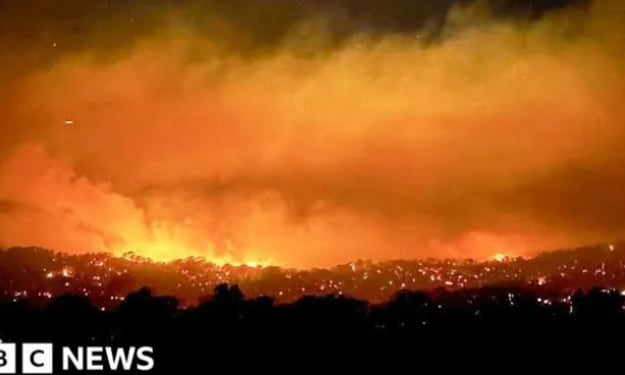
Australia is once again facing the harsh reality of extreme weather as a severe heatwave grips large parts of the country. Meteorologists have issued warnings of soaring temperatures well above seasonal averages, prompting fire authorities to declare “catastrophic” fire danger levels in several regions. With bushfire seasons growing longer and more intense, this latest heatwave has reignited national concerns about climate change, preparedness, and public safety.
By Aqib Hussain17 days ago in The Swamp
Will South Sudan Get Dragged Into Sudan’s Civil War?. AI-Generated.
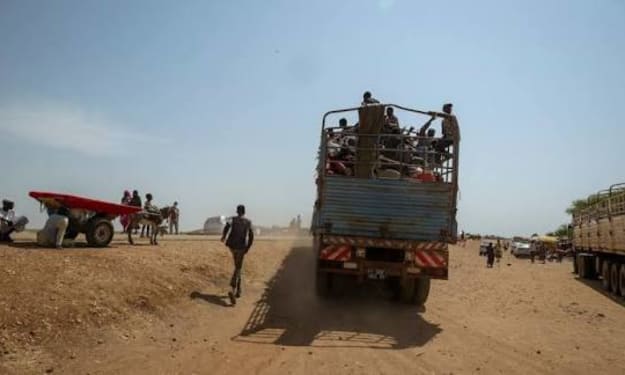
Sudan’s brutal civil war, now stretching far beyond initial expectations, has destabilized one of Africa’s most fragile regions. As fighting between the Sudanese Armed Forces (SAF) and the Rapid Support Forces (RSF) continues, attention is increasingly turning southward. The question many analysts are now asking is troubling but unavoidable: could South Sudan be dragged into Sudan’s civil war?
By Fiaz Ahmed Brohi18 days ago in The Swamp