
Air India Takes Delivery of First Dreamliner After Privatisation: A New Chapter in Aviation History
Air India’s Dreamliner symbolizes a new era of modernisation, efficiency, and global ambition post-privatisation"
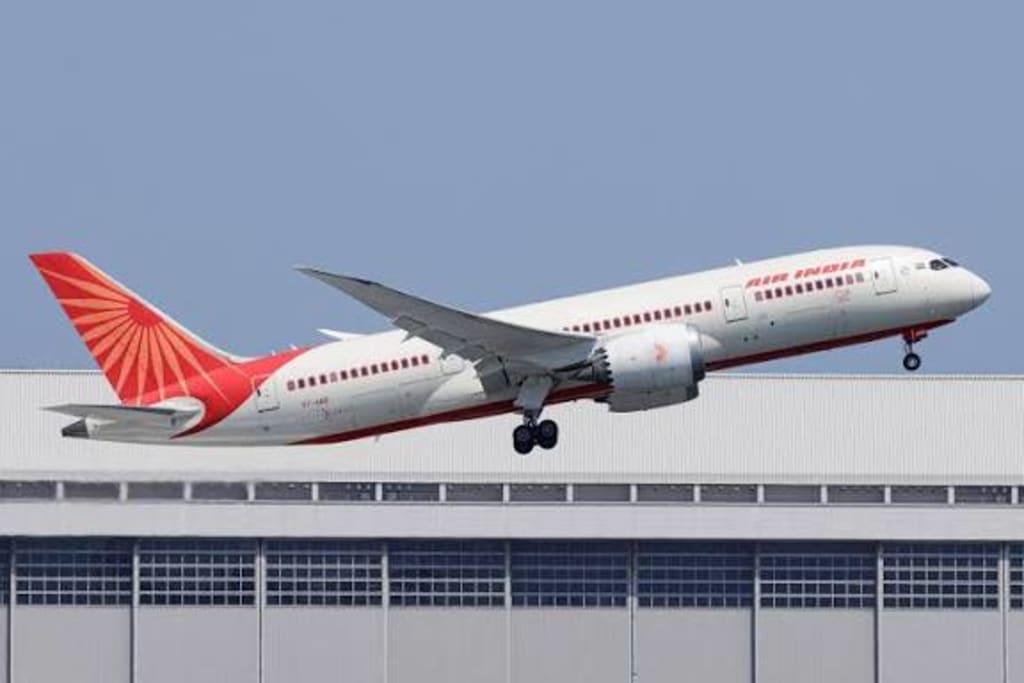
Air India, India’s flagship carrier, has officially taken delivery of its first Boeing 787 Dreamliner, marking a significant milestone in the airline’s history and a pivotal moment following its privatisation. The arrival of this state-of-the-art aircraft represents not just a modernisation of the airline’s fleet but also a renewed vision for India’s aviation sector under private ownership.
Privatisation and the New Era
Air India was privatised in late 2022 after decades of government ownership, with Tata Group, India’s industrial conglomerate, taking over operations. The acquisition aimed to revive the airline’s fortunes, which had been plagued by financial losses, outdated fleets, and operational inefficiencies. Since then, the focus has been on modernisation, operational efficiency, and improving customer experience—a vision that the Dreamliner embodies.
“The delivery of the first Dreamliner is more than just an addition to our fleet; it’s a statement of intent,” said Air India CEO. “We are committed to offering world-class service while connecting India to key global destinations with modern, efficient aircraft.”
The Boeing 787 Dreamliner: Features and Significance
The Boeing 787 Dreamliner is renowned for its cutting-edge technology, fuel efficiency, and passenger comfort. With a composite fuselage and advanced aerodynamics, it consumes significantly less fuel than older models, helping reduce operating costs and environmental impact.
Passengers can expect a quieter cabin, larger windows, improved air quality, and better humidity control, which makes long-haul flights more comfortable. These features are crucial for Air India as it competes on international routes, particularly to Europe, North America, and East Asia.
The Dreamliner also supports greater range and payload flexibility, enabling the airline to open new routes without the need for additional stops. This is particularly important as Air India seeks to strengthen India’s connectivity with global business hubs and leisure destinations.
Economic and Strategic Impact
The addition of the Dreamliner signals Air India’s ambitions to reclaim a prominent position in international aviation. Privatisation has provided the financial backing and strategic agility to invest in modern aircraft, expand operations, and improve customer experience—areas where government-run operations had historically struggled.
Beyond the airline itself, this development has broader economic implications. Increased efficiency and expanded routes can boost tourism, facilitate business travel, and strengthen India’s global trade connections. Additionally, operating fuel-efficient aircraft aligns with India’s sustainability goals by reducing carbon emissions per passenger.
Competitive Advantage
Air India faces stiff competition from both domestic and international carriers. Airlines such as IndiGo, Vistara, Emirates, and Qatar Airways dominate various segments, particularly on premium international routes. The Dreamliner provides Air India with a competitive edge, offering passengers a superior travel experience while optimising operational costs.
Experts note that the integration of such modern aircraft is crucial for Air India to shed its legacy image of being outdated and bureaucratic. “The Dreamliner is symbolic of the airline’s transformation,” said an aviation analyst. “It reflects Tata Group’s vision to modernise and compete globally.”
Future Fleet Expansion
The delivery of the first Dreamliner is just the beginning. Air India has placed orders for multiple Boeing 787s, which will gradually replace older aircraft in its fleet. This phased approach allows the airline to expand its international footprint while maintaining operational continuity.
Moreover, the airline is exploring partnerships, codeshares, and new routes, particularly targeting underserved markets. These strategic moves, combined with a modern fleet, position Air India to emerge as a strong global competitor, improving both profitability and brand perception.
Passenger Experience and Expectations
For passengers, the Dreamliner offers a noticeable improvement in travel comfort. Wider seats, reduced cabin noise, and improved lighting create a more relaxing environment for long-haul flights. In addition, inflight connectivity and entertainment options are being upgraded to meet modern expectations, aligning Air India with international standards.
This focus on passenger experience is part of a broader strategy to rebrand the airline. By prioritising comfort, efficiency, and reliability, Air India hopes to attract both business and leisure travelers, creating loyalty in a competitive global market.
Conclusion
The delivery of Air India’s first Boeing 787 Dreamliner represents a milestone in the airline’s post-privatisation journey. It embodies the airline’s renewed vision, combining operational efficiency, passenger comfort, and global connectivity.
Privatisation under Tata Group has provided the financial backing and strategic vision necessary for modernisation, and the Dreamliner is the first tangible manifestation of this transformation. As Air India expands its fleet, opens new routes, and enhances passenger experience, the airline is poised to reclaim its status as a leading global carrier.
For India, this is more than just an airline achievement—it is a symbol of ambition, progress, and a commitment to connecting the nation to the world efficiently and sustainably.
About the Creator
Keep reading
More stories from Fiazahmedbrohi and writers in The Swamp and other communities.
Venezuelans Hopeful of Regime Change Dismayed as Government Appears to Remain the Same
Venezuela, a nation once hailed for its vast oil reserves and economic potential, continues to grapple with political instability, economic decline, and social unrest. For many Venezuelans who hoped that recent political shifts might bring meaningful change, the reality has been disheartening: despite international attention and internal calls for reform, the government appears largely unchanged, leaving citizens frustrated and wary about the future. The Roots of Hope Over the past decade, Venezuela has endured hyperinflation, severe shortages of basic goods, and a humanitarian crisis that has forced millions to flee the country. Opposition movements and civil society groups have long argued that the government’s policies have exacerbated inequality and eroded democratic institutions. In recent years, international attention on the nation’s leadership, combined with high-profile sanctions and political pressure, had kindled hope among many Venezuelans that a shift in governance could restore stability. Citizens who suffered through years of food scarcity, limited healthcare, and shrinking opportunities viewed these developments as a potential turning point—a chance to rebuild their lives in a country they once believed held great promise. The Reality of Continuity However, as events have unfolded, the optimism of many Venezuelans has waned. Government announcements, while occasionally hinting at reforms or dialogue with opposition groups, have often resulted in minimal change. Policies that promised economic relief or political openness have largely failed to materialize, leaving citizens skeptical about the sincerity of the regime’s commitments. Daily life in Venezuela remains challenging. Access to basic goods such as food, medicine, and electricity continues to be erratic, while inflation—though slightly reduced from its peak—still limits purchasing power for ordinary citizens. Public services remain strained, and corruption allegations persist across various levels of government. These realities make it difficult for many to feel that any genuine transformation is underway. The Human Toll For Venezuelans, the impact of stagnant governance is deeply personal. Families continue to struggle to put food on the table, and healthcare shortages mean that treatable illnesses can become life-threatening. Education has been disrupted by economic hardship, leading to concerns about the long-term development of the country’s youth. Psychologically, the sense of disillusionment is palpable. Citizens who once marched for political change now express frustration at the apparent resilience of a system they hoped would reform. Social media platforms are filled with conversations reflecting anger, disappointment, and, at times, resignation—a stark reminder of how political inertia can weigh heavily on an entire population. International Implications The persistence of Venezuela’s government also has significant international consequences. Neighboring countries, particularly Colombia and Brazil, continue to host millions of Venezuelan migrants who fled the economic and social turmoil. The ongoing political stalemate has complicated international negotiations, with foreign powers debating how to balance sanctions, humanitarian aid, and diplomatic engagement. For global investors and policymakers, the lack of visible reform signals a continued risk. While Venezuela possesses abundant natural resources, including oil and gas reserves, political uncertainty deters large-scale economic engagement. The international community remains cautious, recognizing that meaningful change is essential before the country can fully stabilize and attract external investment. Looking Ahead: Navigating Uncertainty The outlook for Venezuela remains uncertain. While the government shows few signs of significant reform, opposition voices and civil society groups continue to push for accountability and change. Grassroots initiatives and community-led projects offer some hope, demonstrating that citizens are not entirely resigned to the status quo.
By Fiazahmedbrohi 4 days ago in The Swamp
Swiss Bar Owners ‘Overwhelmed With Grief’ in First Public Comments Since 40 Killed in Fire
The owners of Le Constellation, a popular bar in the alpine resort town of Crans-Montana, have spoken publicly for the first time since a devastating fire killed 40 people earlier this month. In a brief but emotional statement released through their lawyer, the owners said they were “overwhelmed with grief” and struggling to come to terms with the scale of the tragedy.
By Aarif Lashari5 days ago in The Swamp
FPS: The Last Flame Challenge Winners
Welcome to our first Winners Announcement of the year and to the final challenge in the Fall Poetry Series. The Last Flame invited writers to sit with endings, using fire as a central image to consider what remains when something burns out: ash, warmth, memory, silence, or the faint promise of what comes next. The strongest pieces treated endings as gradual rather than sudden, allowing them to flicker, dim, and linger.
By Vocal Curation Team4 days ago in Resources


Comments
There are no comments for this story
Be the first to respond and start the conversation.