
Yemen Separatist Leader Fails to Attend Crisis Talks as Saudi-UAE Rift Deepens
Southern Yemen peace talks stall as regional rivalries and separatist absence threaten stability"
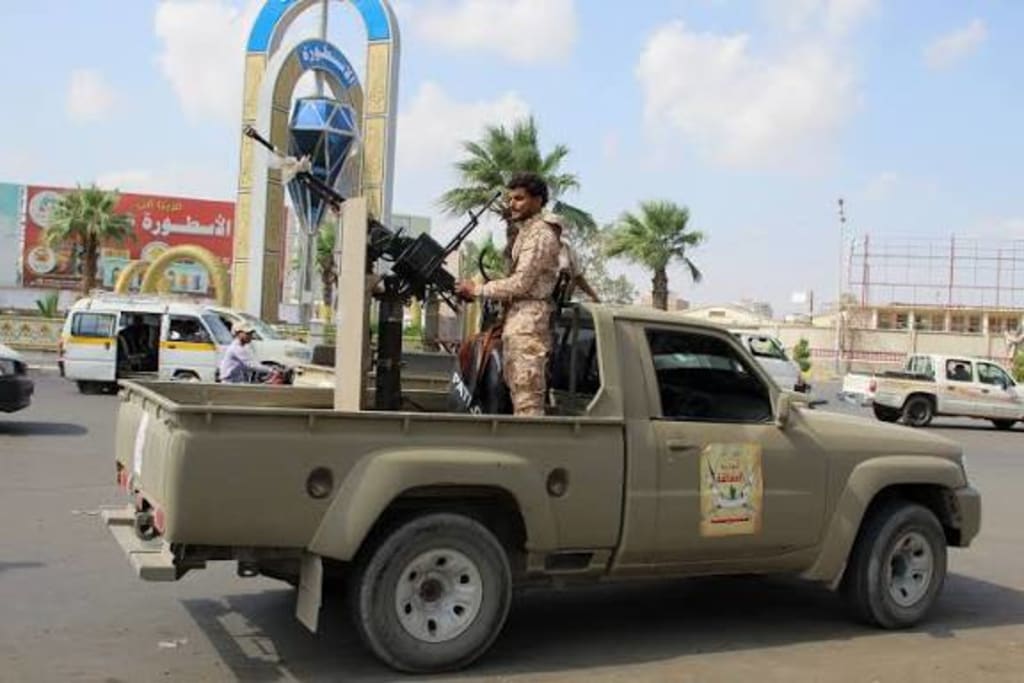
Yemen’s ongoing conflict has entered another precarious phase as a key separatist leader failed to attend high-stakes crisis talks aimed at resolving tensions in the southern regions of the country. The absence has intensified concerns over the fragile peace process and highlighted the widening rift between Saudi Arabia and the United Arab Emirates (UAE), both of which have historically played pivotal roles in the country’s conflict dynamics.
Background: The Southern Yemen Conflict
Southern Yemen has long been a focal point of the nation’s multifaceted conflict, which began in earnest after the Houthi takeover of Sana’a in 2014. In the south, the Southern Transitional Council (STC), a UAE-backed separatist faction, has been pushing for greater autonomy and, in some instances, full independence from the internationally recognised Yemeni government, which is largely supported by Saudi Arabia.
Tensions between the STC and the Yemeni government have often resulted in clashes, creating a complex theatre where regional powers’ competing interests intersect. The Saudi-led coalition, which initially included the UAE as a key partner, has been engaged in a delicate balancing act, supporting the Yemeni government while attempting to manage its alliance with southern separatists.
The Crisis Talks
The recent crisis talks were convened in Riyadh under Saudi auspices, with the objective of addressing territorial disputes, power-sharing arrangements, and the broader security situation in southern Yemen. Delegates from the Yemeni government, Saudi officials, and representatives of the UAE-backed STC were expected to attend.
However, the STC’s decision not to send its leader to the negotiations sent shockwaves through diplomatic circles. Official statements cited logistical concerns, but analysts suggest that the absence reflects deepening mistrust within the coalition itself and a strategic move by the separatists to assert leverage amid the shifting regional dynamics.
Saudi-UAE Rift
The failure to secure full participation from all parties comes amid mounting tensions between Saudi Arabia and the UAE, two regional heavyweights whose coordination has historically shaped the course of Yemen’s conflict. Reports indicate that disagreements over influence in southern Yemen, economic projects, and military command structures have eroded the unity of the coalition.
The UAE, which has historically backed the STC, has reportedly pursued policies that sometimes diverge from Riyadh’s objectives, including building local security forces in southern territories and asserting control over strategic ports. Saudi officials, in contrast, have prioritised restoring the Yemeni government’s authority over the south. This divergence has fueled uncertainty about the coalition’s ability to present a united front, complicating peace initiatives and increasing the likelihood of localised conflict flare-ups.
Implications for Yemen
The absence of the separatist leader has raised serious concerns about the future of Yemen’s fragile peace process. Without the full cooperation of southern factions, negotiations risk being stalled, potentially prolonging instability in key port cities like Aden and Mukalla, which are crucial for humanitarian aid and regional trade.
Moreover, ongoing political fragmentation hampers efforts to tackle Yemen’s humanitarian crisis, which the United Nations describes as one of the world’s worst. Millions of Yemenis face food insecurity, disrupted healthcare, and the threat of cholera outbreaks, making any delay in stabilisation particularly perilous.
Regional and International Response
International actors, including the United Nations and the United States, have expressed concern over the breakdown in dialogue and urged both Saudi Arabia and the UAE to intensify their diplomatic coordination. The UN Special Envoy for Yemen has stressed that the absence of a key player undermines efforts to achieve a sustainable settlement and warned that continued inaction could exacerbate conflict and humanitarian suffering.
Meanwhile, regional observers note that the Saudi-UAE rift may embolden other actors, including the Houthis, to exploit divisions in the coalition for territorial and political gains. The current discord also raises questions about the long-term viability of external interventions in Yemen, highlighting the need for a coherent strategy among regional powers.
Looking Ahead
The coming weeks will be critical for Yemen. Efforts to reschedule the crisis talks and bring all parties to the negotiating table may determine whether a path toward stability can be carved out or if southern Yemen will descend further into chaos. Analysts emphasize that meaningful engagement with separatist leaders is essential, alongside mechanisms to reconcile divergent agendas among coalition partners.
At the same time, there is a growing call for the international community to prioritise humanitarian relief and development initiatives, independent of political negotiations, to prevent further deterioration of living conditions for millions of civilians.
Conclusion
The absence of Yemen’s separatist leader at the latest crisis talks underscores the fragility of peace efforts in the region. Coupled with the widening rift between Saudi Arabia and the UAE, it highlights the challenges of navigating a conflict shaped as much by internal divisions as by external power dynamics.
For Yemenis, the stakes are existential: without political compromise and effective coordination among regional actors, instability, humanitarian suffering, and violence are likely to persist. The world watches closely as diplomatic efforts unfold, with the hope that dialogue, rather than division, will guide the future of southern Yemen.
About the Creator
Keep reading
More stories from Fiazahmedbrohi and writers in The Swamp and other communities.
US to Withdraw from Dozens of UN, International Organisations: Implications for Global Diplomacy
In a bold and controversial move, the United States government has announced its intention to withdraw from dozens of United Nations and other international organisations, marking a significant shift in its approach to global diplomacy. Officials describe the decision as part of a broader effort to prioritise American interests and reduce financial contributions to multilateral bodies. However, critics warn that this strategy could have far-reaching consequences for international cooperation, global governance, and the US’s standing on the world stage. The Scope of the Withdrawal According to statements from the State Department, the withdrawal will affect multiple UN agencies, including specialised organisations dealing with health, trade, and development, as well as a variety of international bodies outside the UN framework. The exact list of organisations has not been fully disclosed, but insiders suggest that it could involve entities responsible for global humanitarian aid, environmental monitoring, and human rights oversight. The move signals a clear pivot away from multilateralism, echoing past trends where US administrations have questioned the value of international institutions and sought to recalibrate engagement based on national interests. Proponents argue that the United States has been disproportionately burdened with funding and compliance obligations while receiving limited tangible benefits. Reasons Behind the Decision Officials have framed the withdrawals as a strategic recalibration. The US contributes billions of dollars annually to international organisations, and critics within the administration argue that these contributions do not always align with American priorities. By reducing involvement, the government hopes to redirect funds toward domestic priorities, including infrastructure, defence, and public welfare programs. Additionally, some policymakers have expressed frustration with what they perceive as inefficiencies, bureaucracy, and politicisation within these organisations. By stepping back, the United States aims to exert greater control over how its resources are allocated and ensure that international engagements serve concrete national interests. Global Repercussions The withdrawal has raised alarm among diplomats, experts, and allies worldwide. International organisations often rely heavily on US funding and influence to maintain operations. With the United States stepping away, several programs—particularly those in healthcare, humanitarian aid, and conflict mediation—may face funding shortfalls, potentially impacting millions globally. Experts also warn that this move could embolden other nations to follow suit, weakening the effectiveness of international governance. “The US has historically been a cornerstone of global diplomacy,” said a former UN official. “A withdrawal of this scale sends a signal that multilateral cooperation is optional, which could undermine decades of collective progress on issues like climate change, peacekeeping, and human rights.” Impact on US Influence Beyond practical consequences, the withdrawal could also diminish the United States’ influence in shaping global policies. International organisations often serve as platforms for negotiation, consensus-building, and soft power projection. By retreating, the US may lose its ability to shape standards and norms on critical issues ranging from global health emergencies to arms control. Allies in Europe, Asia, and Latin America have expressed concern about the US stepping back at a time of heightened geopolitical tensions. Critics argue that absence from international forums may allow rival powers to fill the vacuum, potentially reducing American leverage in key strategic regions. Domestic Debate Within the United States, the decision has sparked heated debate. Supporters view the move as a necessary assertion of sovereignty and fiscal responsibility, arguing that the country should not subsidise global programmes that do not directly benefit American citizens.Looking Ahead As the world watches, questions remain about the exact timing, scope, and legal ramifications of the US withdrawal. Diplomatic channels are expected to be busy in the coming months as allies seek clarity and attempt to mitigate potential disruptions. Meanwhile, the US faces a delicate balancing act: asserting national interests while maintaining credibility and influence in a highly interconnected world. The ultimate impact of this decision will depend not only on which organisations the US leaves but also on how effectively it engages with remaining international partners to address global challenges. Whether this move marks a shift toward isolationism or a strategic recalibration will likely shape US foreign policy for years to come.
By Fiazahmedbrohi 4 days ago in The Swamp
A Failed Artist, A Disillusioned Poet, An Underpaid Game Show Host
I took my son and niece to Gori, a small town in Georgia where Joseph Stalin was born. They talked me into visiting the Stalin's Museum, the largest in the post-Soviet space. I had resisted going there because I just can't stand the monster and know enough about him, or so I thought.
By Lana V Lynx6 days ago in FYI




Comments
There are no comments for this story
Be the first to respond and start the conversation.