Medieval
Hirta Island: A Forgotten Village of the Scottish Highlands
Tucked away in the rugged wilderness of the Hebrides, Hirta Island stands as a poignant reminder of Scotland’s rich, yet often challenging, history. Located within the archipelago known as St. Kilda, Hirta was home to generations of crofters, fisherman, and farmers who carved out a living on this remote island. Once a thriving community, the island is now a place of haunting beauty, its cottages abandoned, its fields silent. But for more than 2000 years, Hirta was a lively settlement where people endured the harshest of conditions to live out their daily lives. One chapter of this island’s remarkable history unfolded in 1861 when a group of settlers constructed 16 single-story cottages along what would come to be known as ‘main street.’ Yet despite the resilience of its people, Hirta’s life as a village would ultimately end in 1930, leaving behind only memories and stone foundations, forever etched in the island's landscape.
By Deji Akomolafeabout a year ago in History
The Iron Flail: A Spiked Symbol of Medieval Power
In the captivating world of medieval weaponry, few objects are as evocative of raw power and close combat as the iron flail. Also known as the "morning star," this fearsome weapon boasts a striking design, featuring a spiked ball attached to a sturdy shaft, and it was one of the most terrifying tools of war during the 15th to 17th centuries. While its name might sound poetic, the flail was no less deadly, capable of delivering bone-crushing blows with devastating speed and accuracy. Today, the iron flail remains an iconic symbol of medieval combat, captivating historians, enthusiasts, and museum-goers alike.
By Deji Akomolafeabout a year ago in History
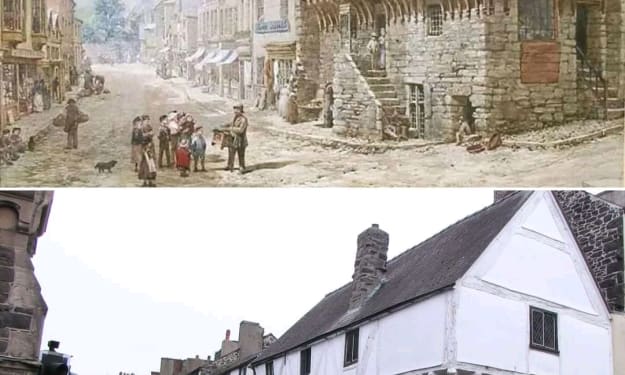
A Timeless Landmark: The Preservation of Aberconwy House Through Art and Time
Aberconwy House, located in the historic walled town of Conwy in North Wales, is a rare and invaluable relic of the medieval past. The house, dating back to the 14th century, stands as the only surviving merchant's house from this period in Conwy, offering a unique window into a time when the town thrived as a bustling center of commerce and culture. As one of the few medieval buildings that withstood the turbulent history of Conwy, Aberconwy House carries with it stories of medieval life, resilience, and the evolution of the town.
By Deji Akomolafeabout a year ago in History
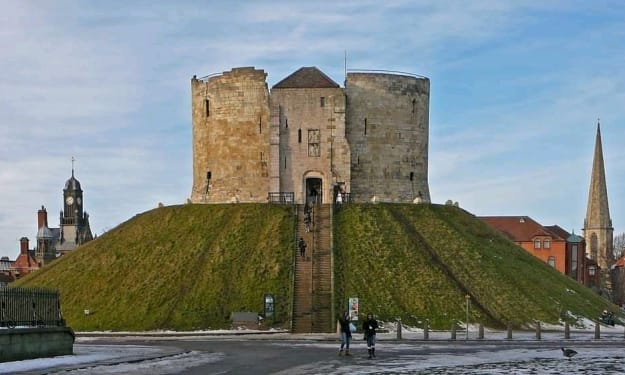
York Castle: The Story Behind Clifford's Tower
Nestled in the heart of York, England, stands the iconic Clifford’s Tower, a symbol of the city’s turbulent history. This imposing structure, now a ruin, was once the heart of York Castle, a site that has witnessed centuries of conflict, power struggles, and cultural shifts. Today, Clifford’s Tower stands as a testament to both the Norman conquest and the complex history of York, a city that once lay at the crossroads of Viking and Norman influences.
By Deji Akomolafeabout a year ago in History
The Legend of Atlantis: Fact or Fiction? . AI-Generated.
The story of Atlantis has fascinated historians, philosophers, and the public for centuries. This mythical island, often described as an advanced and utopian civilization, is said to have disappeared beneath the waves in a catastrophic event. While many consider it a cautionary tale or a symbolic myth, others argue that it may be rooted in historical reality. This article explores the legend of Atlantis, its origins, and the ongoing debate over whether it is fact or fiction.
By mariam elghazalyabout a year ago in History
St. Michael's Mount: A Mystical Island Steeped in History and Legend
Nestled off the picturesque coast of Marazion in Cornwall, England, St. Michael's Mount is a tidal island that beckons visitors with its striking beauty, rich history, and captivating myths. As one of Cornwall’s most iconic landmarks, St. Michael’s Mount is a unique blend of nature, legend, and heritage, drawing people from all over the world to experience its magic. Whether approached by foot during low tide or by boat during high tide, this ancient island offers a glimpse into a past that is both fascinating and enchanting.
By Deji Akomolafeabout a year ago in History
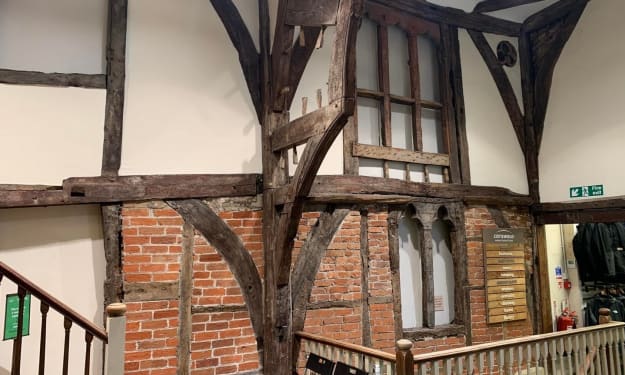
The Oldest House in Salisbury: A Hidden Gem of Medieval Architecture
In the heart of Salisbury, Wiltshire, England, lies a fascinating piece of history that many may walk by without a second glance. At first glance, it might seem like just another charming building, but the oldest house in Salisbury is far more than just a relic of the past. Built in 1308, this historic structure offers a unique glimpse into medieval domestic life and architectural practices. But what’s truly captivating about this house is the way it challenges our expectations of age, design, and historical significance.
By Deji Akomolafeabout a year ago in History
The Fascinating World of Dos-à-Dos Bookbinding: A Glimpse into Medieval Bookcraft
In the world of bookbinding, few techniques are as unique and intriguing as the dos-à-dos binding. This unusual style, which literally translates from French as "back-to-back," has roots in the medieval and early modern periods. It’s a method that combines both practicality and artistry, providing a space-efficient way to store multiple books in a single volume. Though rare today, this binding technique tells a story of its time—a time when books were precious commodities and the art of their creation was a specialized skill.
By Deji Akomolafeabout a year ago in History
The Mystery of Nan Madol: How Did Ancient Builders Transport 50-Ton Basalt Stones?
The Mystery of Nan Madol: How Did Ancient Builders Transport 50-Ton Basalt Stones? Located off the coast of Pohnpei in Micronesia, Nan Madol is a 900-year-old city built on artificial islets, constructed with massive basalt stones that weigh up to 50 tons. Once a ceremonial and political center for the Saudeleur Dynasty, this ancient city remains a mystery, not just because of its size and beauty, but also due to the unclear methods used to transport these enormous stones across open water. To this day, locals tell tales of magic, claiming that the stones were transported through sorcery. But what did the ancient builders really do to transport such colossal weights?
By Deji Akomolafeabout a year ago in History
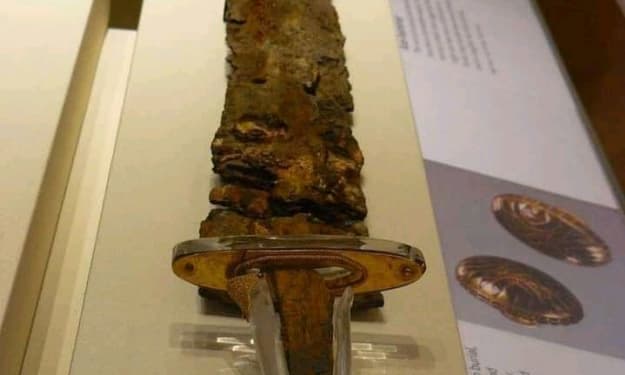
The Sutton Hoo Sword: A Symbol of Anglo-Saxon Power and Craftsmanship
The Sutton Hoo Sword: A Symbol of Anglo-Saxon Power and Craftsmanship One of the most iconic and significant discoveries in British archaeology is the Sutton Hoo ship-burial, found in Suffolk, England. Dated to approximately AD 620, this burial site is believed to have belonged to an East Anglian king, possibly Raedwald, who ruled at the height of Anglo-Saxon England. Among the numerous treasures unearthed from this ancient royal burial was an extraordinary sword, whose craftsmanship and symbolism offer profound insights into the period’s warfare, social structure, and artistry. This sword, now housed at the British Museum, is more than just a weapon; it is a testament to the power and legacy of the Anglo-Saxon elite.
By Deji Akomolafeabout a year ago in History
Rajgad Fort: A Majestic Legacy of the Maratha Empire
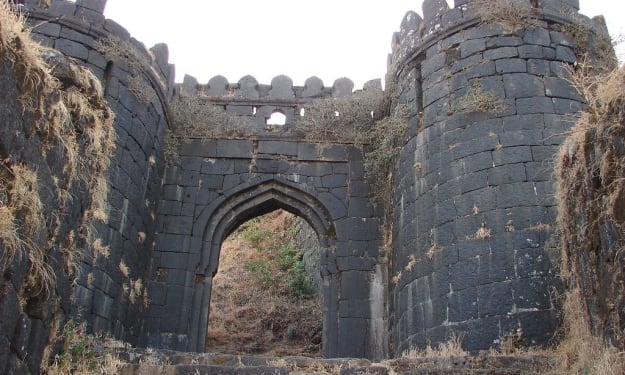
Nestled high in the Sahyadri mountain range in the western state of Maharashtra, Rajgad Fort stands as a silent sentinel to a glorious chapter in India’s history. With its strategic location and awe-inspiring architecture, this fort was once the capital of the Maratha Empire, serving as the nerve center of a vast kingdom during one of the most significant periods of Indian history. Today, Rajgad’s ruins tell the story of valor, resilience, and the strategic genius of the Marathas.
By Deji Akomolafeabout a year ago in History
The Historic Gate of Chepstow Castle: A Link to the Past
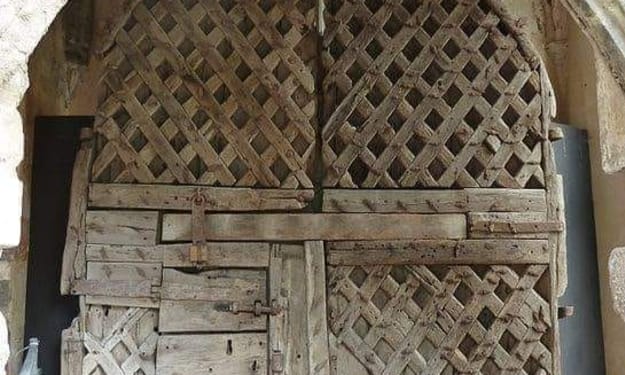
Chepstow Castle, nestled on a dramatic cliff above the River Wye in southeastern Wales, is a fascinating testament to medieval military architecture and a rich historical legacy. One of the most remarkable features of the castle is its 12th-century wooden gate, which remains one of the oldest and best-preserved wooden gates in Europe. The gate, whose construction dates back to between 1159 and 1189, offers a rare glimpse into medieval craftsmanship and the strategic importance of Chepstow Castle throughout history.
By Deji Akomolafeabout a year ago in History