
Rajgad Fort: A Majestic Legacy of the Maratha Empire
Ancient Empire

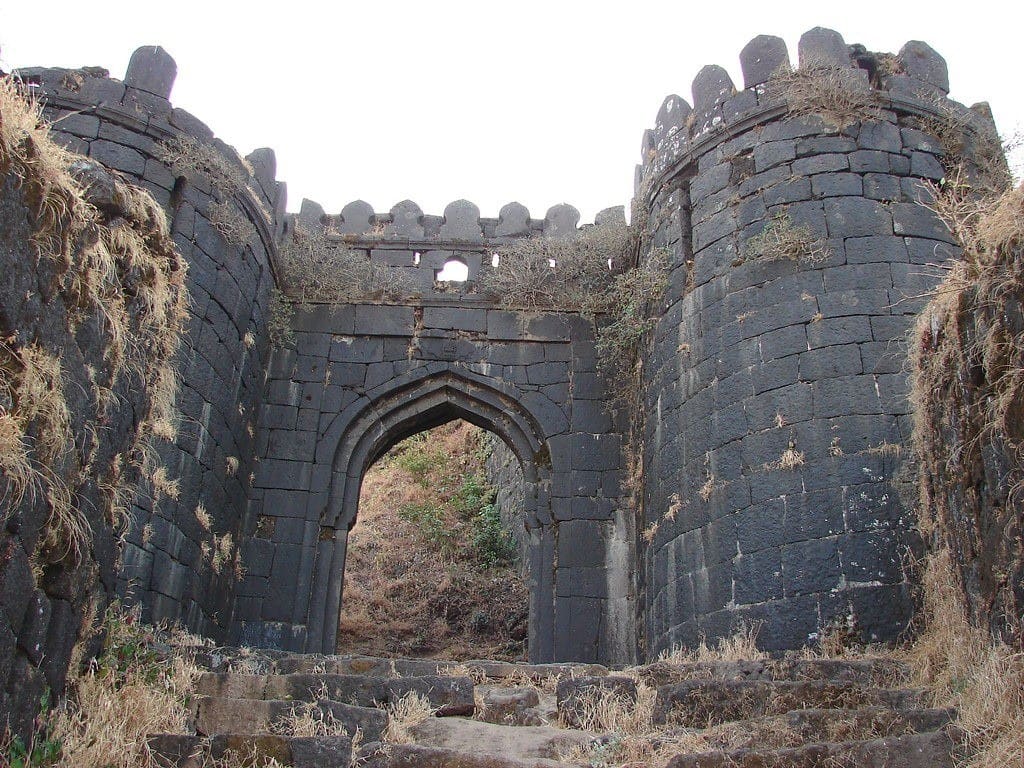
Nestled high in the Sahyadri mountain range in the western state of Maharashtra, Rajgad Fort stands as a silent sentinel to a glorious chapter in India’s history. With its strategic location and awe-inspiring architecture, this fort was once the capital of the Maratha Empire, serving as the nerve center of a vast kingdom during one of the most significant periods of Indian history. Today, Rajgad’s ruins tell the story of valor, resilience, and the strategic genius of the Marathas.
Historical Significance of Rajgad Fort
Originally known as Murumbdev Fort, Rajgad holds great historical significance. Though the exact details of its construction remain shrouded in mystery, the first recorded mention of its capture dates back to 1490, suggesting that it has been a strategic military stronghold for centuries. It wasn’t until 1674 that Rajgad became the capital of the Maratha Empire under Chhatrapati Shivaji Maharaj, the legendary founder of the empire.
During Shivaji’s reign, the fort served as his headquarters before he moved the capital to Raigad Fort in 1674. However, Rajgad remained a symbol of the Maratha Empire's military and political power for many years, enduring various battles, sieges, and changing hands until it fell into decline after 1818, when the Maratha Empire was finally subdued by the British.
The fort’s role as the Maratha capital is monumental, as it was here that many key decisions shaping the future of the empire were made. It was also the site where Shivaji Maharaj’s coronation as the king of the Marathas was held, further cementing its significance in Indian history.
Strategic Location and Imposing Architecture
One of the most striking features of Rajgad Fort is its strategic location. Situated at an altitude of approximately 1,400 meters (4,593 feet) above sea level, Rajgad offers a commanding view of the surrounding terrain, making it nearly impossible for enemies to launch a successful siege. The fort's location atop a series of rugged hills not only ensured its defense but also made it a highly visible beacon of power for the Marathas.
The base diameter of the fort is a staggering 40 kilometers (25 miles), making it one of the largest forts in the region and an imposing structure in the military landscape of its time. Its sheer size and location contributed significantly to its strategic value, and it was considered an impenetrable fortress by many.
The fortification system of Rajgad is an excellent example of Maratha military architecture. The walls and ramparts, although now in ruins, still reflect the grandeur of its original design. The fort was built using locally available materials, with stone masonry playing a dominant role in the construction. Over time, the fort's design evolved to accommodate new military technologies and tactics, making it a symbol of Maratha ingenuity and resilience.
Key Structures Within the Fort
Though much of the fort has crumbled over time, some of its most important structures still stand, providing visitors with a glimpse into its glorious past. The fort consists of several notable sections, each with its unique features and historical significance.
1. Bale Killa (Upper Fort)
The Bale Killa, or the upper fort, is the highest point of Rajgad and offers panoramic views of the surrounding mountains and valleys. It houses several important structures, including a palace that is believed to have been used by Shivaji Maharaj and his administration. The Bale Killa area also contains a large water cistern, which was essential for the fort’s water supply.
2. Padmavati Lake
Situated near the fort’s entrance, Padmavati Lake is one of the most picturesque spots on the fort. This small water reservoir was an essential part of the fort’s water management system and provided water to the fort’s inhabitants. It also served as a strategic location for storing supplies during times of siege.
3. Caves and Water Cisterns
Rajgad is known for its intricate system of water cisterns, which were dug into the rock to store water for the fort’s defense. These cisterns were crucial in maintaining a water supply, particularly during long periods of siege. The caves within the fort were used by soldiers as shelters and by the royal family as private quarters.
4. Rameshwar Temple
One of the most prominent religious sites on the fort is the Rameshwar Temple, dedicated to Lord Shiva. The temple stands as a reminder of the spiritual life of the fort’s residents, particularly the Maratha kings, who often sought divine blessings for success in battle and governance. The temple also adds to the cultural richness of the fort and enhances its historical significance.
5. Ruins of Palaces
The palaces at Rajgad are mostly in ruins today, but their foundations and some architectural elements still stand. These palaces were once the heart of the fort’s political life, housing the Maratha royalty, soldiers, and administrators. The grandeur of the fort’s palaces would have matched the splendor of the empire itself, with spacious courtyards and beautifully designed interiors that reflected the wealth and power of the Maratha kings.
Rajgad’s Role in Maratha Military History
Beyond its architectural marvels, Rajgad Fort played a key role in the military history of the Maratha Empire. It was from Rajgad that many of Shivaji Maharaj’s military campaigns were planned, and it was here that he coordinated the defense against multiple invasions and rival powers. The fort’s strategic location made it a key military hub, providing both offensive and defensive advantages during warfare.
The fort was also central to the Marathas' ability to withstand the Mughal Empire’s attempts to conquer their territory. Shivaji Maharaj’s ability to hold strongholds like Rajgad was pivotal in the resistance against Mughal forces, who were constantly trying to extend their reach into the Deccan region.
Rajgad Today: A Heritage Site
Today, Rajgad Fort is a popular tourist destination and an important heritage site in Maharashtra. It attracts history enthusiasts, trekkers, and tourists who come to explore its rich history and enjoy the breathtaking views from the top. The fort’s location, its historical importance, and the beauty of the surrounding landscape make it a must-visit destination for anyone interested in Indian history or military architecture.
While the fort is no longer a center of political power, it stands as a proud symbol of the Maratha Empire’s legacy. The remnants of Rajgad continue to inspire awe and admiration, offering a glimpse into the resilience and might of the Marathas.
Conclusion
Rajgad Fort remains one of the most significant fortifications in Maharashtra, offering insights into the grandeur and strategic brilliance of the Maratha Empire. Its strategic location, architectural splendor, and rich history make it a place of immense historical importance. As you stand at the summit of Rajgad, with the winds of history swirling around you, it’s easy to imagine the royal figures who once walked these paths, making decisions that shaped the course of Indian history. Rajgad, in its silent ruins, continues to echo the legacy of the Marathas.
About the Creator
Keep reading
More stories from Deji Akomolafe and writers in History and other communities.
The Historic Gate of Chepstow Castle: A Link to the Past
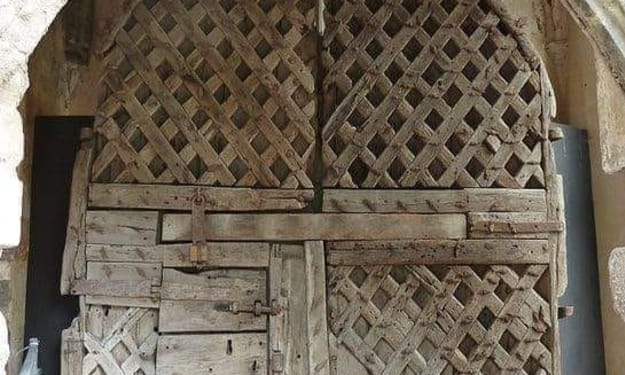
Chepstow Castle, nestled on a dramatic cliff above the River Wye in southeastern Wales, is a fascinating testament to medieval military architecture and a rich historical legacy. One of the most remarkable features of the castle is its 12th-century wooden gate, which remains one of the oldest and best-preserved wooden gates in Europe. The gate, whose construction dates back to between 1159 and 1189, offers a rare glimpse into medieval craftsmanship and the strategic importance of Chepstow Castle throughout history.
By Deji Akomolafeabout a year ago in History
The Years 1810 to 1819 Unveiled: Intriguing Facts and Landmark Events
This quick read is a collection of fun facts, trivia, and historical events from the years 1810 to 1819. Discover the decade’s top news stories, most influential people, notable inventions, retail prices, and much more.
By Gregory DeVictor3 days ago in History
The First Rainbow Baby
Pitter-patter, pitter-patter. The rain fell in rhythmic splatters, slowly slowing, but still constant. Mira rolled onto her side pulling the blanket tight against her ears, but still she could hear chitter-chatter and scurrying feet of the creatures that refused to sleep in the lower decks.
By A. J. Schoenfeld3 days ago in Fiction


Comments
There are no comments for this story
Be the first to respond and start the conversation.