
York Castle: The Story Behind Clifford's Tower
Ancient Structure

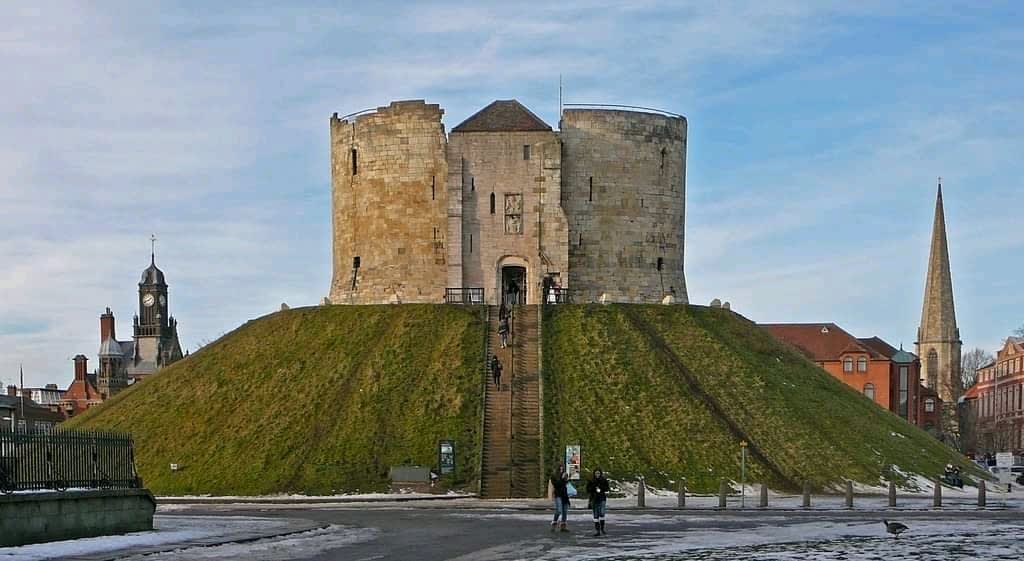
Nestled in the heart of York, England, stands the iconic Clifford’s Tower, a symbol of the city’s turbulent history. This imposing structure, now a ruin, was once the heart of York Castle, a site that has witnessed centuries of conflict, power struggles, and cultural shifts. Today, Clifford’s Tower stands as a testament to both the Norman conquest and the complex history of York, a city that once lay at the crossroads of Viking and Norman influences.
The Birth of York Castle
The story of York Castle begins in the aftermath of the Norman conquest of England in 1066. Following his victory at the Battle of Hastings, William the Conqueror moved swiftly to solidify his control over the kingdom. York, with its strategic location and historical significance as the capital of Viking Northumbria, was a key city for the Normans to conquer. In 1068, just two years after his victory, William I ordered the construction of a motte and bailey castle on the site where Clifford’s Tower now stands.
The first structure on the site was a typical motte and bailey design, consisting of a wooden fortification atop a large earthen mound, or motte, surrounded by a walled enclosure, or bailey. This type of castle was relatively simple to build and was designed to quickly establish Norman dominance over newly conquered lands. The motte and bailey design was common in the early years of Norman rule, as it allowed the conquerors to control strategic areas with minimal resources.
However, the construction of the castle did not go unchallenged. The city of York, known as Jórvík when it was under Viking rule, was a vibrant urban center, and its inhabitants were fiercely resistant to the Norman invasion. In 1069, just a year after the castle was built, the city was the site of a major rebellion. A Viking army, led by a claimant to the English throne, joined forces with disgruntled Saxons to rise up against Norman rule. The rebels successfully destroyed the castle, burning it to the ground.
The Rebuilding of York Castle
Despite the setback in 1069, the Normans remained determined to retain control over York. William I ordered the castle to be rebuilt, this time with more permanent materials. By the early 12th century, the motte and bailey castle was replaced by a larger, more fortified stone keep, which would become the heart of York Castle. This was the beginning of the structure that would later be known as Clifford’s Tower.
The new stone keep was a formidable structure, designed to provide a stronghold for the Norman rulers in the region. The keep was built on the high motte, offering a commanding view of the surrounding landscape and the city of York. The castle became an important administrative and military center, overseeing the surrounding area and serving as a symbol of Norman authority in the north.
Clifford's Tower: A Symbol of Power and Tragedy
The tower that stands today is all that remains of the once-grand keep. The structure was renamed Clifford’s Tower in the 16th century, after the Clifford family, who were prominent figures in the region and held the castle for several centuries. The tower, which was originally a multi-story building, was used for various purposes over the years, including as a royal residence, a prison, and a stronghold during times of unrest.
However, Clifford’s Tower is also known for a tragic event in English history. In 1190, during a period of growing tensions between Jews and Christians in England, a terrible massacre occurred at the tower. A group of York’s Jewish population, fearing for their lives after an anti-Semitic mob threatened them, took refuge inside the tower. Tragically, the situation escalated, and the Jewish men, women, and children trapped inside were either killed by the mob or chose to take their own lives. This massacre is one of the darkest chapters in the history of York and remains a somber reminder of the dangers of religious intolerance.
The Decline of York Castle
Over the centuries, York Castle continued to serve various roles, but its significance began to wane. In the 14th and 15th centuries, the castle’s importance as a military stronghold diminished, and the site fell into disrepair. The tower itself was partially destroyed in the English Civil War (1642-1651), when Parliamentarian forces sought to weaken royal power in the region. After the war, the castle was abandoned and left in ruins.
Despite its decline, York Castle and Clifford’s Tower remained an important historical site. In the 18th and 19th centuries, the tower became a popular landmark, drawing visitors interested in its history and its role in shaping the city of York. The site was eventually preserved, and in 1988, it was opened to the public as a tourist attraction, managed by English Heritage.
Clifford's Tower Today
Today, Clifford’s Tower stands as one of York’s most iconic landmarks. Visitors can climb to the top of the tower and enjoy panoramic views of the city, including the nearby York Minster and the winding streets of the medieval city center. The tower is a popular tourist destination, offering a glimpse into the past and the chance to reflect on the turbulent history of the region.
While the structure itself is a ruin, its historical significance remains undeniable. Clifford’s Tower is a symbol of the Norman conquest, the power struggles between different cultures, and the enduring legacy of York’s complex past. The tower, with its layers of history, serves as a powerful reminder of the city’s role in shaping English history and culture.
York Castle, with Clifford’s Tower at its heart, is a site that has witnessed the rise and fall of empires, the ebb and flow of cultures, and the ever-changing nature of power. Today, it remains a key part of York’s historical identity, offering visitors a chance to step back in time and explore the fascinating story of one of England’s most enduring landmarks.
About the Creator
Keep reading
More stories from Deji Akomolafe and writers in History and other communities.
St. Michael's Mount: A Mystical Island Steeped in History and Legend
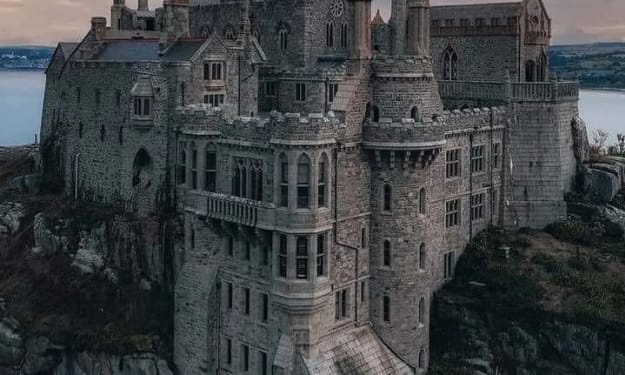
Nestled off the picturesque coast of Marazion in Cornwall, England, St. Michael's Mount is a tidal island that beckons visitors with its striking beauty, rich history, and captivating myths. As one of Cornwall’s most iconic landmarks, St. Michael’s Mount is a unique blend of nature, legend, and heritage, drawing people from all over the world to experience its magic. Whether approached by foot during low tide or by boat during high tide, this ancient island offers a glimpse into a past that is both fascinating and enchanting.
By Deji Akomolafeabout a year ago in History
Year 1952 in Review: Fun Facts, Trivia, and Historic Highlights
This quick read is a collection of fun facts, trivia, and historical events from the year 1952. Discover the year’s top news stories, most influential people, sports facts, U.S. economic trends, historic firsts, entertainment news, and much more.
By Gregory DeVictor6 days ago in History
Why Didn't Anyone Tell Us
Men, move along. This is not for you. This is for the women. I was forty-five when I began menopause. It is pretty young for that to be going on in a woman’s life, but I had undiagnosed PCOS, my entire life. Thank you to all the gynecologists I had seen my entire life. That in itself should encourage women to keep seeking second opinions, especially when you are not getting correct answers or any at all.
By Alexandra Grant4 days ago in Humans


Comments
There are no comments for this story
Be the first to respond and start the conversation.