Medieval
The Enigma of London Stone
Every day, thousands of commuters shuffle along Cannon Street, making their way through the dense fog that rolls over London’s financial district. But among the hustle and bustle, few notice an oddity standing almost inconspicuously in a glass enclosure: London Stone. It’s a lump of rock, certainly not impressive at first glance, but this stone holds a mysterious past that has captivated Londoners for centuries.
By llaurren's readsabout a year ago in History
Katherine of Aragon and the Unfulfilled Marriage Dreams of Princess Mary
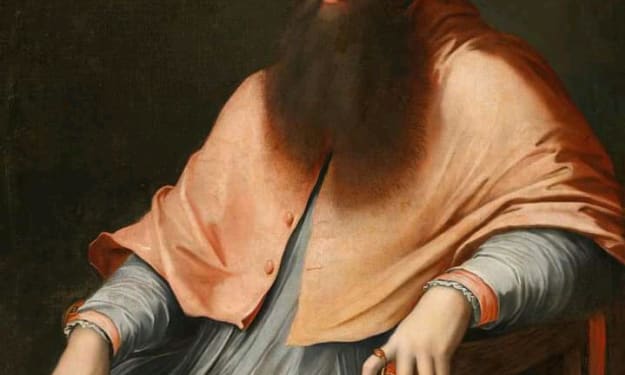
The history of the Tudor dynasty is filled with drama, political intrigue, and tangled webs of ambition. One of the lesser-known but deeply significant stories revolves around Princess Mary, the daughter of Katherine of Aragon and King Henry VIII, and her potential marriage to Reginald Pole, a prominent English cardinal. This marriage, which could have had profound implications for both the English monarchy and the Catholic Church, was thwarted by the very man whose actions would dramatically shape both: Henry VIII.
By Deji Akomolafeabout a year ago in History
The Head of Henry VII's Funeral Effigy: A Masterpiece of Renaissance Portraiture
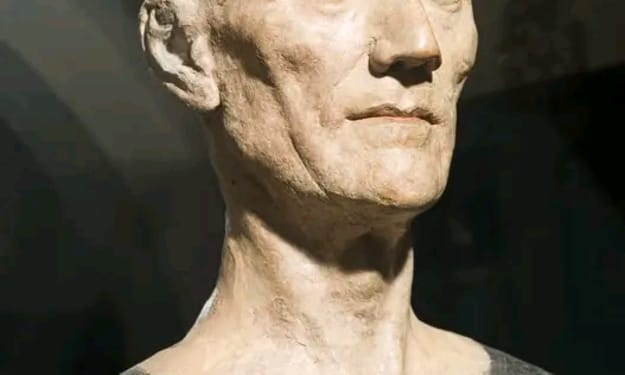
In the world of royal funerary art, few pieces stand out as prominently as the head from Henry VII’s funeral effigy. This exquisite work of craftsmanship not only captures the likeness of England’s first Tudor monarch but also provides a remarkable insight into the evolving sophistication of royal portraiture during the Renaissance period. As one of the finest examples to survive from the era, the head serves as a testament to the artistry and historical significance of effigies, which were an essential part of royal funerals from the 14th to the 17th centuries.
By Deji Akomolafeabout a year ago in History
The Impact of Social Media on Mental Health
Social media has transformed the way we communicate, share experiences, and perceive the world around us. With billions of people worldwide using platforms like Instagram, Facebook, Twitter, and TikTok, social media has become a central part of daily life. It offers countless benefits, including staying connected with friends and family, finding support communities, and gaining access to information and entertainment. However, as social media continues to permeate every aspect of our lives, concerns about its impact on mental health have grown significantly. Is social media a tool that enriches our lives, or is it a double-edged sword that can harm our mental well-being?
By dokis srisabout a year ago in History
Elizabeth I: The Golden Age Queen
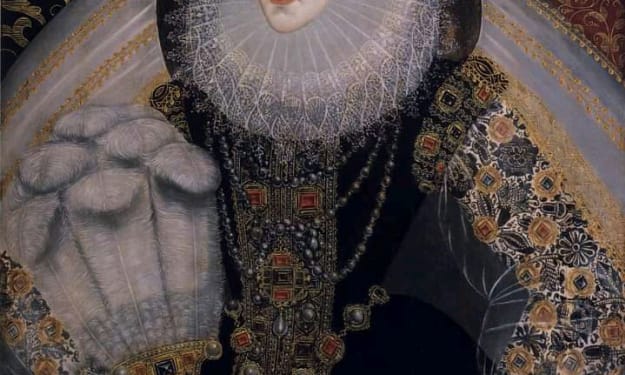
In 1558, Elizabeth Tudor ascended the throne of England, ushering in a transformative era now famously remembered as the Elizabethan Age. The only surviving child of Anne Boleyn and Henry VIII, Elizabeth overcame numerous challenges to become one of Britain’s most iconic monarchs. Her nearly 45-year reign marked a period of cultural flourishing, military triumph, and political stability that shaped the course of English history.
By Deji Akomolafeabout a year ago in History
Leif Eriksson and the Discovery of Vinland: A Viking Saga of Exploration
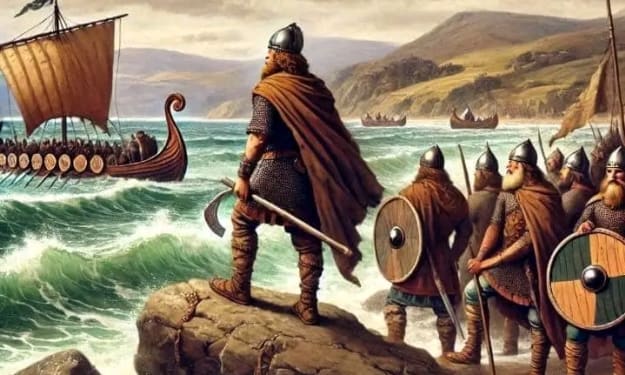
Over 500 years before Christopher Columbus set sail across the Atlantic, a Viking explorer named Leif Eriksson charted a course to North America. The son of Erik the Red, who established settlements in Greenland, Leif Eriksson is celebrated as one of history's greatest explorers. Around 1000-1001 AD, according to Icelandic sagas, Eriksson and his crew reached a mysterious land they called “Vinland.” This "land of grapes" or "land of wine" was so named for the abundance of wild grapes or berries found there.
By Deji Akomolafeabout a year ago in History
The Anglo-Saxon Settlement of Britain: A Turning Point in History
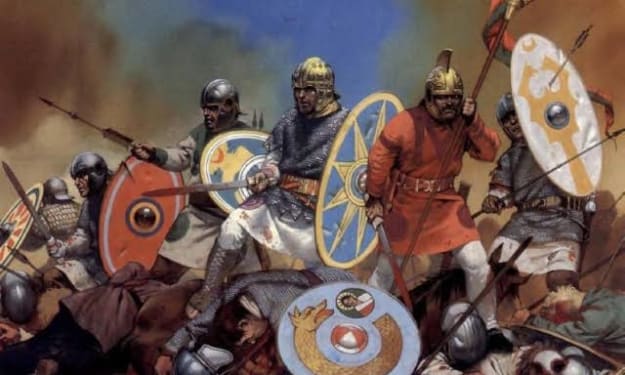
In 410 AD, as the Roman Empire retreated from Britain, a significant and transformative migration began. Germanic tribes, particularly the Anglo-Saxons, started settling in the fertile lands of the island. This migration not only reshaped the demographic and cultural makeup of Britain but also left a lasting imprint on its language, traditions, and place names. Among the most notable legacies of this period is the naming of "Wales" and the term "Welsh," both of which stem from Germanic words meaning "strangers" or "foreigners."
By Deji Akomolafeabout a year ago in History
The First Automotive Accident in the World: Historical Incident in Transport Modes
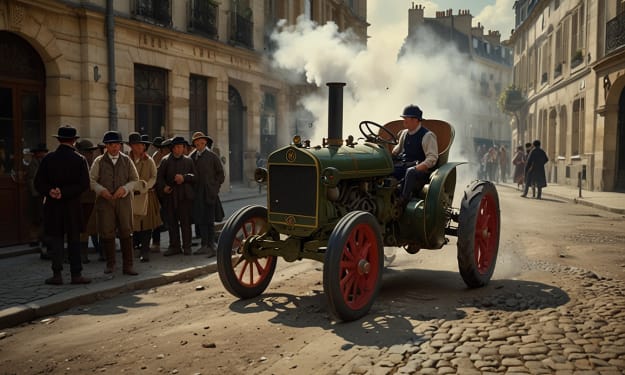
The first known car accident occurred in 1771. Modern road safety and automobile engineering as we know it today has only one particular day to its past. And that was the steam-powered tractor designed by Nicolas-Joseph Cugnot, the first automobile, crashing on the streets of Paris. It is rather difficult to imagine an automobile accident in a time when cars such as we understand them did not exist. Actually, the steam contraption, invented by Cugnot was one of the crucial moments in modern history. And the accident, though minor, became an historical event.
By Abhay kumar chauhanabout a year ago in History
Ayatollah Ali Khamenei: Iran's Supreme Leader and His Resilient Legacy
Ayatollah Ali Khamenei has been Iran's Supreme Leader since 1989. He sits atop this country with huge influence in this country's government, military, and institutions of faith. Most of this nation's foreign and domestic policy undertaken is through the leadership adopted by Ayatollah Ali Khamenei. His longevity and influence have placed him at the heart of the country's politics.
By Abhay kumar chauhanabout a year ago in History