
The Iron Flail: A Spiked Symbol of Medieval Power
Ancient Weapon

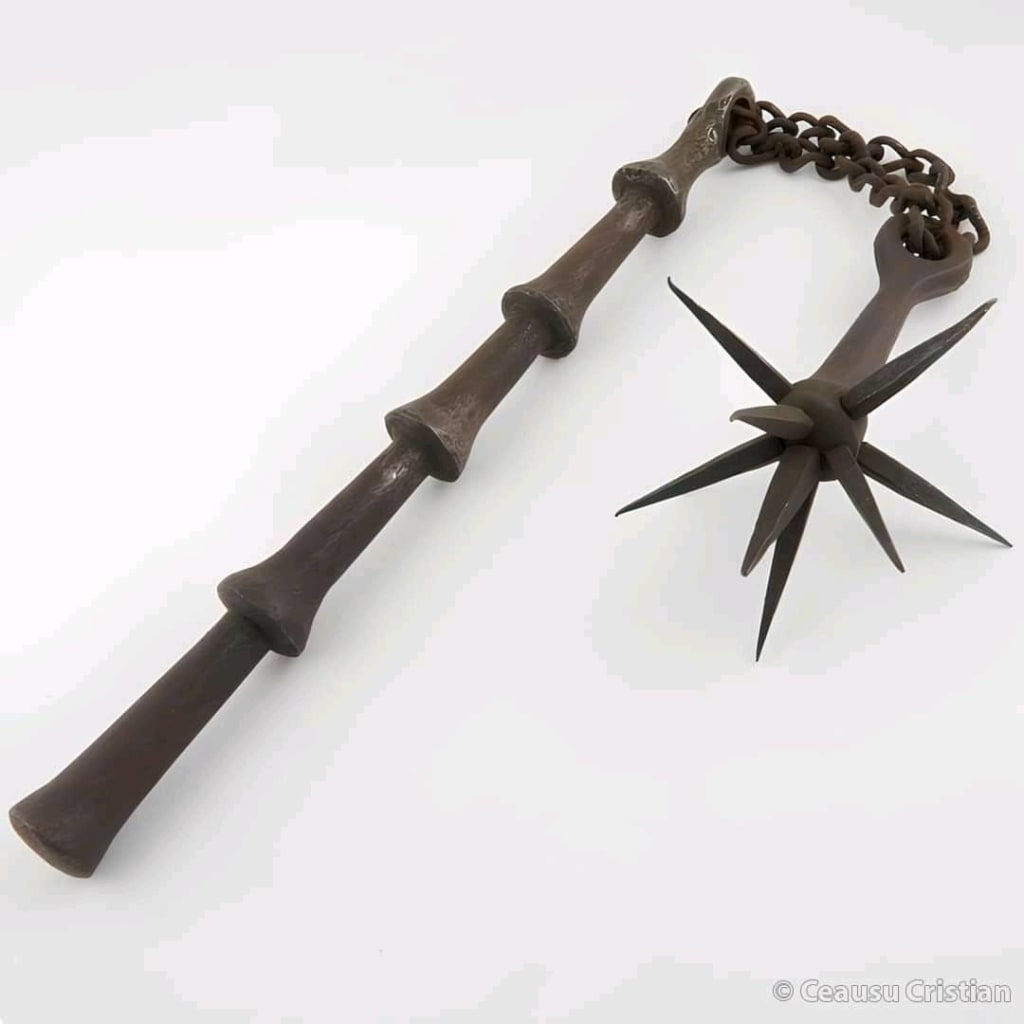
In the captivating world of medieval weaponry, few objects are as evocative of raw power and close combat as the iron flail. Also known as the "morning star," this fearsome weapon boasts a striking design, featuring a spiked ball attached to a sturdy shaft, and it was one of the most terrifying tools of war during the 15th to 17th centuries. While its name might sound poetic, the flail was no less deadly, capable of delivering bone-crushing blows with devastating speed and accuracy. Today, the iron flail remains an iconic symbol of medieval combat, captivating historians, enthusiasts, and museum-goers alike.
Origins of the Flail: From Farm Tool to Weapon
The iron flail's history is as intriguing as its design, with its roots tracing back to humble beginnings in the agricultural fields of Europe. Many historians believe that the flail evolved from a simple threshing tool, which farmers used to separate grain from husks. The basic design of the threshing flail consisted of a wooden handle with a chain and a weighted head that would strike the grain as the farmer swung it in a rhythmic motion. Over time, it seems that this simple tool caught the eye of warriors, who began to adapt it for use in combat.
The transition from agricultural tool to weapon is not an uncommon theme in the history of warfare. Many medieval arms were inspired by tools of daily life, modified to fit the specific needs of battle. In the case of the flail, its shift to warfare was particularly ingenious. The chain that connected the spiked ball to the shaft allowed for a greater range of motion than a fixed weapon, enabling the flail to maneuver around shields and armor in a way that other weapons simply couldn’t. This unique feature made it especially dangerous in close-quarter combat, where its wielder could strike from unexpected angles and deliver powerful blows to an enemy's vulnerable points.
Design and Functionality: A Study in Deadliness
What makes the iron flail such a formidable weapon is its distinctive design, which maximized the impact of each strike. The flail’s most iconic feature is the spiked ball at the end of the chain, which was designed to inflict maximum damage. Depending on the size and weight of the ball, the flail could crush bones, tear through armor, and break shields with ease. In combat, a knight or soldier wielding a flail could strike from a distance, using the chain to swing the spiked ball into the enemy's defenses.
The chain itself gave the flail a degree of unpredictability. Unlike other weapons, such as swords or axes, the flail’s swinging head could bypass the enemy’s shield and strike from angles that were hard to block. This made it especially dangerous against heavily armored opponents, who might have otherwise been protected from attacks. The flexibility of the weapon allowed for quick, precise strikes, making it a useful tool for both offense and defense.
Flails were often used in battle in a similar manner to maces, with both being designed to deliver blunt force trauma. However, while maces typically had fixed heads, the flail’s chain allowed for a much greater degree of maneuverability, making it effective in disorienting or overwhelming an opponent. The spiked ball could also inflict deep puncture wounds, a form of injury that was difficult to treat in the medieval period.
The Flail in Combat: A Knight’s Weapon
The iron flail was primarily used by knights and soldiers during the medieval period, particularly in close combat situations where other weapons like swords or spears were less effective. Its design made it a terrifying weapon in the heat of battle, where its wielder could swing the flail with brutal force, battering enemies with relentless blows.
Historically, the flail’s most common use was during skirmishes, where its unpredictability and power could turn the tide of a battle. Knights, often clad in heavy armor, would wield the flail as a means of piercing or breaking through an opponent’s defenses. The weapon was also effective in disarming foes, especially if they were holding a shield, as the spiked ball could strike from unexpected angles, bypassing the shield and landing a lethal blow.
The flail was not just a weapon of war—it was also a tool of intimidation. Its fearsome appearance and deadly capabilities made it a symbol of raw power on the battlefield. A soldier wielding a flail could inspire fear in his enemies, who knew that a single swing could cause unimaginable damage.
Evolution and Decline: The Changing Face of Warfare
Despite its early success as a weapon of war, the iron flail gradually faded from use during the late medieval period. This decline can be attributed to several factors, most notably the advancement of armor technology. As armor became more sophisticated, with plate armor and other protective gear becoming standard, the effectiveness of blunt weapons like the flail began to diminish. The flail’s spikes, once capable of piercing armor, were no longer as effective against the thick, reinforced metal of later medieval armor.
Additionally, the rise of gunpowder and firearms marked the beginning of a new era in warfare, one in which close-combat weapons like the flail were rendered obsolete. By the 17th century, the flail had largely disappeared from the battlefield.
The Flail Today: A Piece of History
Though the iron flail may no longer see use in combat, its legacy endures. Today, the flail is celebrated as a unique and fascinating example of medieval weaponry, admired for its ingenuity and fearsome design. One of the best places to see the iron flail on display is the Royal Armouries in the UK, where visitors can view this and other iconic weapons from the medieval period. The flail continues to inspire awe and intrigue among historians, reenactors, and enthusiasts of medieval warfare.
In many ways, the iron flail is a symbol of the ingenuity and brutality of medieval combat. It reflects both the creativity and the ferocity of an era where battles were fought at close quarters, and every weapon had to be as deadly as it was effective. While its time on the battlefield may be over, the iron flail remains a timeless testament to the violence and craftsmanship that defined medieval warfare.
About the Creator
Keep reading
More stories from Deji Akomolafe and writers in History and other communities.
A Timeless Landmark: The Preservation of Aberconwy House Through Art and Time
Aberconwy House, located in the historic walled town of Conwy in North Wales, is a rare and invaluable relic of the medieval past. The house, dating back to the 14th century, stands as the only surviving merchant's house from this period in Conwy, offering a unique window into a time when the town thrived as a bustling center of commerce and culture. As one of the few medieval buildings that withstood the turbulent history of Conwy, Aberconwy House carries with it stories of medieval life, resilience, and the evolution of the town.
By Deji Akomolafeabout a year ago in History
The Handwriting is on the Wall origin
The handwriting on the wall Perhaps you or someone you know has used the phrase "The handwriting is on the wall," which indicates that something is coming to an end. This is often said about businesses before they go under.
By Cheryl E Preston5 days ago in History




Comments
There are no comments for this story
Be the first to respond and start the conversation.