
The Sutton Hoo Sword: A Symbol of Anglo-Saxon Power and Craftsmanship
Ancient sword

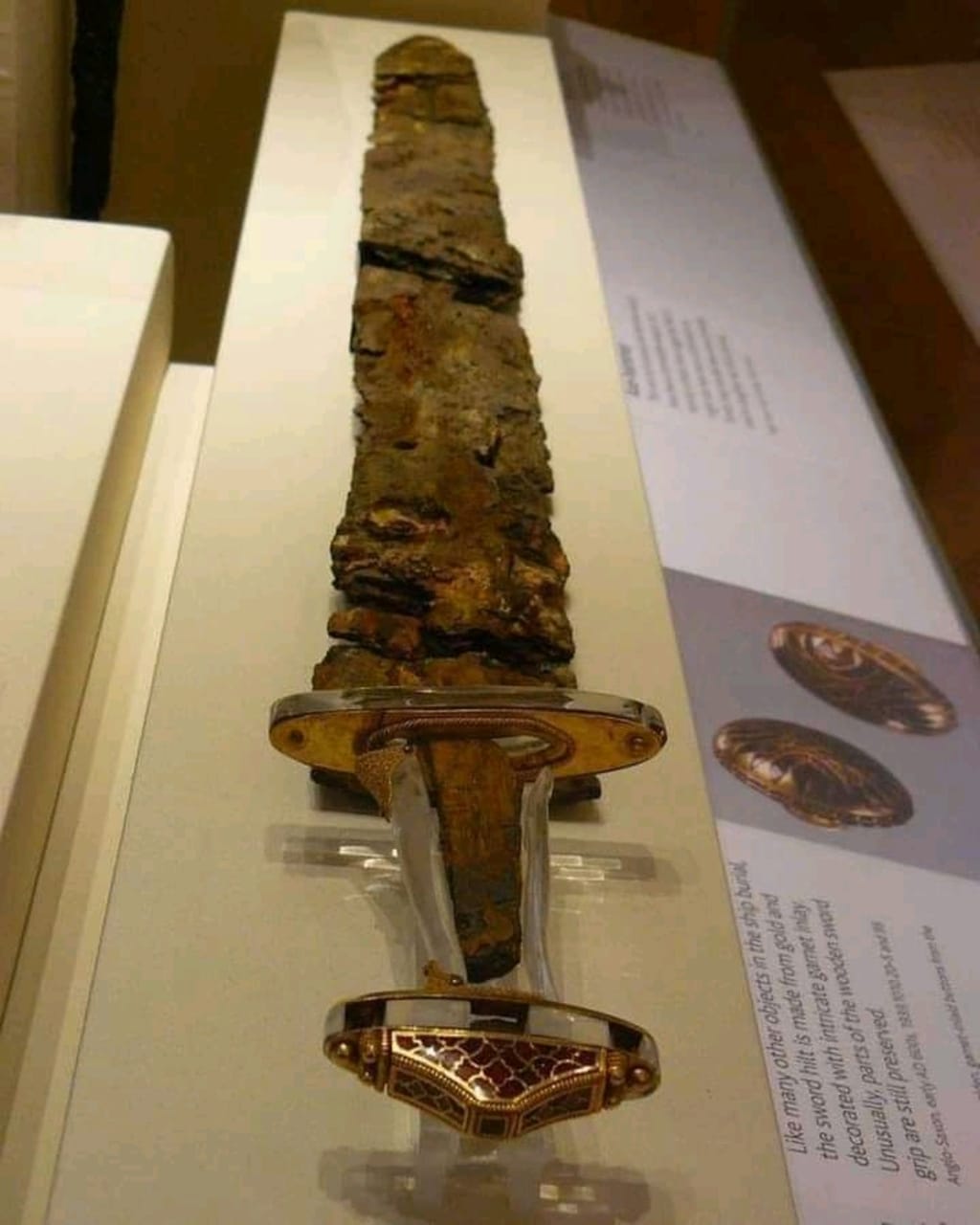
The Sutton Hoo Sword: A Symbol of Anglo-Saxon Power and Craftsmanship
One of the most iconic and significant discoveries in British archaeology is the Sutton Hoo ship-burial, found in Suffolk, England. Dated to approximately AD 620, this burial site is believed to have belonged to an East Anglian king, possibly Raedwald, who ruled at the height of Anglo-Saxon England. Among the numerous treasures unearthed from this ancient royal burial was an extraordinary sword, whose craftsmanship and symbolism offer profound insights into the period’s warfare, social structure, and artistry. This sword, now housed at the British Museum, is more than just a weapon; it is a testament to the power and legacy of the Anglo-Saxon elite.
Discovery and Context of the Sutton Hoo Ship-Burial
The Sutton Hoo burial was uncovered in 1939, largely thanks to the efforts of Edith Pretty, a landowner who was intrigued by the mounds on her property. When archaeologists excavated the site, they discovered a large ship that had been buried in a mound, along with a treasure trove of artifacts. These objects ranged from exquisite jewelry and helmets to shields and weapons. The ship itself was nearly 90 feet long, suggesting it was intended for a powerful, possibly royal, figure.
At the heart of this burial was the belief that the deceased would need to take their wealth and belongings with them into the afterlife, in keeping with the traditions of elite Anglo-Saxon burials. Among the most remarkable finds was the sword, a symbol of a warrior’s strength and status.
The Sword’s Design and Craftsmanship
The Sutton Hoo sword is a remarkable example of Anglo-Saxon craftsmanship and martial culture. Measuring approximately 85 centimeters (about 33 inches) in length, it features a double-edged blade, perfect for both cutting and thrusting in battle. The blade itself is made of high-quality iron, with patterns forged into the metal through a technique known as pattern welding. This involved intertwining different types of iron to create a strong, flexible blade with intricate, wavy patterns visible along its length. This craftsmanship was not only practical but also highly symbolic, demonstrating the warrior’s skill and the high status of the sword’s owner.
The hilt of the sword is equally impressive, with the guard, grip, and pommel all adorned with gilded decorations. The pommel, in particular, is decorated with a complex, geometric pattern that is thought to have had both aesthetic and symbolic significance. The use of gold and precious materials on the hilt suggests that this was not a mere weapon but a royal artifact, meant to reflect the power and wealth of its owner.
Interestingly, the sword's decoration also features motifs that are believed to be of both Anglo-Saxon and wider European origin. These designs draw upon both Germanic traditions and Christian influences, signaling the evolving cultural and religious landscape of early medieval England.
The Symbolism of the Sword
The sword from Sutton Hoo is more than just a functional weapon; it is an emblem of power, leadership, and status. In Anglo-Saxon society, swords were often seen as symbols of the warrior elite. Owning a finely crafted sword was a sign of both martial prowess and noble status. The sword’s role in battle was crucial, but it was also an object that conferred prestige.
The sword’s presence in the burial suggests that the individual buried in Sutton Hoo was not only a warrior but a king or high-ranking noble. Some scholars believe the burial may have belonged to Raedwald, an East Anglian king who is thought to have ruled in the early 7th century. Raedwald, who is recorded in historical sources such as the Anglo-Saxon Chronicle and the Historia Ecclesiastica by Bede, was a key figure in the transition from paganism to Christianity in England. The sword’s combination of both pagan and Christian symbolism may reflect the changing religious landscape during this time.
The sword’s inclusion in the burial also reflects the belief that the deceased would need it in the afterlife to defend their honor or assert their authority. The Anglo-Saxons believed in an afterlife where warriors could continue their exploits, and the sword, as a weapon of war, was vital for ensuring that the deceased would retain their power in the next world.
The Legacy of the Sword
The Sutton Hoo sword, along with the other artifacts found at the site, offers us a rare and detailed glimpse into early medieval English life. It provides evidence of the sophistication of Anglo-Saxon metalworking and the wealth and power of the East Anglian kings. It also highlights the importance of warfare, honor, and status in Anglo-Saxon society.
Beyond its craftsmanship, the sword serves as a reminder of the world of the warrior elite and the complex interplay between pagan traditions and the emerging Christian influence in early medieval England. The sword’s intricate design and luxurious materials reflect the wealth and influence of its owner, while its symbolic meaning points to the central role of warfare and leadership in the Anglo-Saxon worldview.
As an artifact, the Sutton Hoo sword is one of the most significant surviving examples of early medieval weaponry. It is a testament to the skills of Anglo-Saxon craftsmen, the traditions of kingship, and the warrior culture that defined the early Middle Ages in England. Today, it continues to inspire awe and respect, not only for its beauty and craftsmanship but also for the story it tells about a pivotal moment in English history.
In sum, the Sutton Hoo sword is more than just a weapon. It is a symbol of a bygone era, embodying the power, artistry, and beliefs of a civilization that played a critical role in shaping the England we know today.
About the Creator
Keep reading
More stories from Deji Akomolafe and writers in History and other communities.
Rajgad Fort: A Majestic Legacy of the Maratha Empire
Nestled high in the Sahyadri mountain range in the western state of Maharashtra, Rajgad Fort stands as a silent sentinel to a glorious chapter in India’s history. With its strategic location and awe-inspiring architecture, this fort was once the capital of the Maratha Empire, serving as the nerve center of a vast kingdom during one of the most significant periods of Indian history. Today, Rajgad’s ruins tell the story of valor, resilience, and the strategic genius of the Marathas.
By Deji Akomolafeabout a year ago in History
The Ship That Carried the Hiroshima Atomic Bomb Has Been Found
In a remarkable historical discovery, researchers have located the long-lost vessel that once transported key components of the atomic bomb dropped on the Japanese city of Hiroshima during the final days of World War II. The finding offers historians a deeper understanding of the secretive operations surrounding the development and deployment of the world’s first nuclear weapon.
By Irshad Abbasi 4 days ago in History


Comments
There are no comments for this story
Be the first to respond and start the conversation.