
The Oldest House in Salisbury: A Hidden Gem of Medieval Architecture
Old Structure

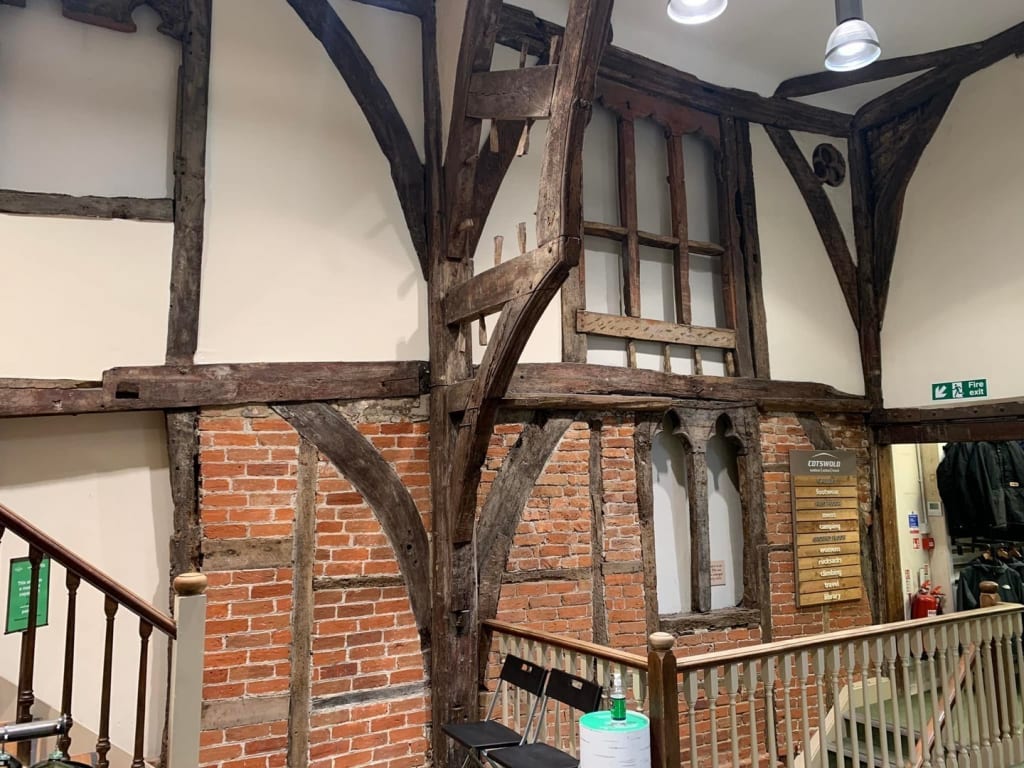
In the heart of Salisbury, Wiltshire, England, lies a fascinating piece of history that many may walk by without a second glance. At first glance, it might seem like just another charming building, but the oldest house in Salisbury is far more than just a relic of the past. Built in 1308, this historic structure offers a unique glimpse into medieval domestic life and architectural practices. But what’s truly captivating about this house is the way it challenges our expectations of age, design, and historical significance.
A Lesson in Time: The Oldest House vs. The Younger Neighbor
Often, we judge a building by its outward appearance, assuming that the more grand or ornate structure is older or more historically significant. However, in the case of Salisbury’s oldest house, appearances can be deceiving. Situated next to a building constructed in 1425, the house on the left, dating from 1308, may not immediately strike visitors as the older of the two.
While the 1425 structure has a more refined exterior, the 1308 house’s charm lies in its humble, unassuming look. This contrast highlights an important lesson: never judge a book by its cover. The exterior of a building might not always reflect the intricacies and historical value it holds within. The oldest house in Salisbury may not have the modern grandeur of newer buildings, but its age and the architectural features hidden inside make it a treasure trove of medieval design.
A Peek Inside: Hammerbeam Roofs and Cotswold Charm
One of the most fascinating features of the oldest house in Salisbury is its hammerbeam roof, which is most commonly associated with grand medieval halls, not humble homes. The hammerbeam roof was a brilliant architectural invention that allowed for a larger, open ceiling space without the need for central support beams, which would have obstructed the room. This design was often used in the construction of significant buildings such as Westminster Hall in London, built for Richard II around 1398. Westminster Hall, with its magnificent hammerbeam roof, has stood as a prime example of medieval engineering for centuries.
To find such a roof in a Cotswold store—a modest home turned shop—is truly remarkable. Hammerbeam roofs were typically used in monumental structures such as cathedrals, royal residences, or guildhalls, making it incredibly rare to see this type of craftsmanship in a more everyday domestic setting. The fact that this medieval feature has been preserved in such a building highlights how architecture can reflect both function and grandeur, even in unexpected places.
The hammerbeam roof not only adds to the building’s historical significance but also creates a striking aesthetic that transports visitors back to medieval times. The intricate wooden beams, with their unique design and craftsmanship, offer a glimpse into the building methods and materials used centuries ago. This type of roof construction was a testament to the skilled carpenters of the time, who mastered the art of creating strong yet beautifully intricate wooden frameworks.
Exposed Wattle and Daub: A Glimpse into 14th Century Construction
As if the hammerbeam roof wasn’t enough to make the oldest house in Salisbury stand out, another intriguing feature can be found inside: exposed wattle and daub on the second floor. This construction technique, which dates back to the 14th century, involves weaving branches or twigs (the wattle) together to form a framework, then plastering it with a mixture of clay, straw, and animal dung (the daub). Wattle and daub was a common building method used for walls in medieval homes, especially in rural areas, as it was both practical and cost-effective.
What makes this wattle and daub particularly fascinating in the context of this house is the fact that it has been left exposed, offering visitors a rare, unfiltered view of a traditional construction method that was once common across medieval England. It’s not often that we see such original building materials on display, as modern construction techniques have replaced many of the traditional methods over time. For those with a keen interest in historical building techniques, especially woodland chums and hurdle makers, the sight of this ancient craftsmanship is a thrilling connection to the past.
The exposed wattle and daub in the oldest house in Salisbury also underscores the humble nature of medieval domestic life. While grand palaces and cathedrals might be adorned with stone, marble, and fine plasterwork, common homes were often built with locally sourced, natural materials that were both functional and resourceful. This blend of practicality and craftsmanship speaks to the ingenuity of medieval builders who made the most of their environment while creating homes that could withstand the elements for centuries.
Preservation and Legacy
What makes the oldest house in Salisbury even more significant today is its preservation. In an age where urban development often leads to the demolition or alteration of historic buildings, this house stands as a rare example of medieval architecture that has withstood the test of time. The combination of its hammerbeam roof, wattle and daub interior, and overall historical value makes it an architectural gem that offers invaluable insight into the past.
For visitors to Salisbury, this building serves as a reminder that history is often hidden in plain sight. It's easy to be swept up in the grandeur of more famous landmarks, but sometimes the true gems are found in unassuming places. The oldest house in Salisbury may not be the most imposing building on the block, but its interior offers a window into medieval construction practices and the daily lives of those who lived centuries ago.
Conclusion: A Living Link to the Past
The oldest house in Salisbury is not just a building; it is a living link to the past, offering an authentic experience of medieval life and architecture. From its hammerbeam roof, associated with royal halls and monumental buildings, to the exposed wattle and daub that reveals the ingenuity of medieval construction, this humble structure challenges our expectations and deepens our understanding of history.
Next time you find yourself in Salisbury, don’t just walk past this remarkable building. Take a moment to appreciate its quiet grandeur and the centuries of history embedded within its walls. It’s a reminder that the most fascinating pieces of history are often the ones we least expect.
About the Creator
Keep reading
More stories from Deji Akomolafe and writers in History and other communities.
The Pantheon: Rome’s Timeless Architectural Wonder
When we think of ancient Rome, towering structures like the Colosseum or the Roman Forum often come to mind. However, nestled in the heart of Rome, standing as a testament to Roman engineering and architectural brilliance, is the Pantheon. This iconic building, with its remarkable history, stunning design, and enduring influence, remains one of the best-preserved monuments from the Roman Empire. Even more astonishing is the fact that its dome, made of concrete, is still the largest unsupported dome in the world, nearly two thousand years after its construction.
By Deji Akomolafeabout a year ago in History
Why Early Aircraft Designs Failed Before They Ever Flew
Long before airplanes became symbols of speed and global connection, flight was an idea filled with uncertainty, ambition, and repeated disappointment. Early aircraft designers were driven by a powerful belief that humans could conquer the skies, yet many of their creations never made it past workshops, fields, or testing grounds. These failures were not accidents of carelessness; they were the result of a world still learning the rules of flight.
By Beckett Dowhan5 days ago in History
3 Times Ordinary Objects Did Something Deeply Unsettling
Objects surround us every day. They make life easier, more comfortable, or more entertaining. A chair supports us, a mirror shows us our reflection, and a toaster browns our bread with consistent reliability. Most of the time, they behave exactly as expected.
By Enoch Sagini4 days ago in History




Comments
There are no comments for this story
Be the first to respond and start the conversation.