
In what ways can meditation and mindfulness contribute to recovery of mental health?
Introduction
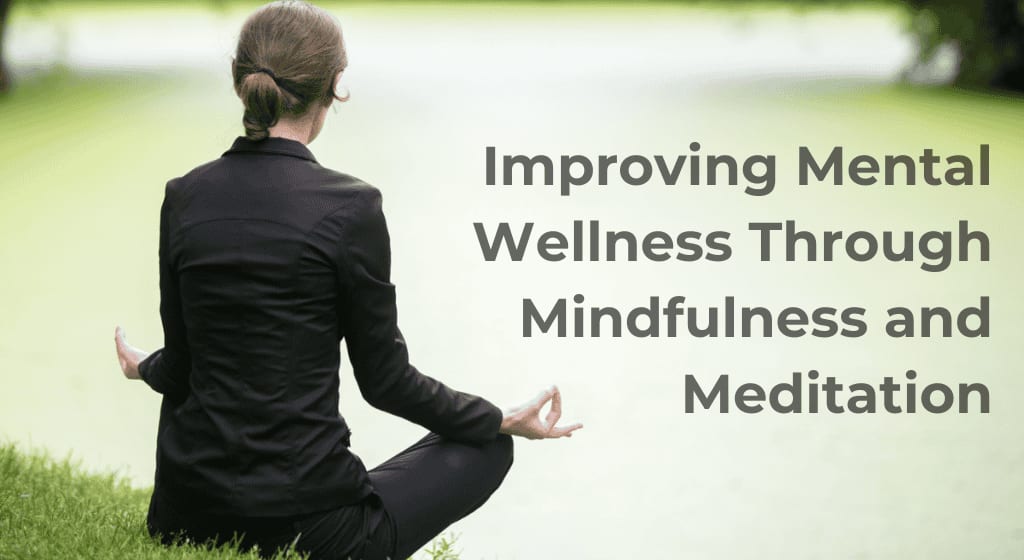
With today's stressful lifestyle, depression, stress, and anxiety are becoming commoner. While medical treatments and therapy are still necessary, more people are now turning towards mindfulness and meditation as auxiliary techniques of regaining mental health. These are old practices endorsed by recent scientific studies, and they are low-cost, convenient, and effective in instilling a healthier mindset towards emotions and thoughts.
This Q&A will explain what mindfulness and meditation are, how they help with mental illness, scientific studies demonstrating their benefit, useful methods, and how they can be used in recovery from anxiety, depression, and stress.
What is Mindfulness?
Mindfulness is being present in the moment totally without judgment. Instead of becoming involved in regret over the past or worry about the future, mindfulness is centered on the here and now.
The main elements are:
Awareness: Noticing thoughts, feelings, and bodily sensations as they happen.
Acceptance: Allowing experience without attempting to change or escape from it.
Non-judgment: Observing without categorizing experience as "good" or "bad."
For example, if someone feels anxious, instead of resisting or criticizing themselves, mindfulness teaches them to acknowledge: “I notice I’m feeling anxious right now,” and gently return focus to breathing.
What is Meditation?
Meditation is a broader practice that often includes mindfulness but can also involve other techniques such as focused breathing, visualization, or chanting. Meditation helps quiet the mind, reduce reactivity, and enhance emotional regulation.
Common types include:
Mindfulness Meditation: Careful observation of feelings and thoughts in a non-judgmental manner.
Loving-Kindness Meditation: Cultivating kindness and warmth of heart towards oneself and others.
Body Scan Meditation: Bringing awareness to bodily sensations in different parts of the body.
Transcendental Meditation: Using mantras or phrases to rise above distracting thoughts.
How Mindfulness and Meditation Foster Mental Wellness
Reducing Stress and Anxiety
Mindfulness ends the vicious cycle of overthinking that fuels anxiety.
Breathing and grounding techniques calm the nervous system.
Studies show that mindfulness-based interventions significantly lower anxiety symptoms.
Overcoming Depression
Depression often involves rumination — repeated negative thoughts.
Mindfulness teaches individuals to notice such thoughts but not become entangled, weakening their power.
Meditation induces positive emotions and compassion towards oneself, which counteracts hopelessness.
Improving Emotional Regulation
Instead of acting impulsively on feelings, mindfulness leaves time for consideration before action.
This "space" strengthens self-regulation and better decision-making.
Growing Self-Awareness
Observing thoughts and feelings, individuals develop awareness of triggers, habits, and patterns.
This knowledge benefits therapy and personal growth.
Building Resilience
Regular practice improves the brain's ability to cope with stress.
Individuals recover faster over time from emotional adversity.
Scientific Evidence
Mindfulness and meditation are not just spiritual practices; they are extensively documented by science.
Studies at Harvard have shown mindfulness meditation reduces activity in the amygdala, the brain's fear center, leading to less tense responses to stress.
Meta-analyses reveal that mindfulness-based cognitive therapy (MBCT) reduces the risk of relapse in individuals with recurrent depression.
Neuroimaging studies show greater gray matter in brain regions responsible for memory, emotional regulation, and self-awareness in regular meditators.
Practical Techniques for Beginners
Mindful Breathing (5 minutes daily)
Sit comfortably and focus on the breath.
Notice the sensation of air entering and exiting the body.
When your mind wanders, gently bring it back.
Body Scan (10 minutes)
Lie down and survey the body from head to toe in your mind.
Notice tension, heat, or pain without judgment.
Loving-Kindness Meditation (10 minutes)
Repeat quietly to yourself sentences like: "May I be safe. May I be healthy. May I live with ease."
Project these wishes on loved ones, strangers, and even difficult people.
Mindful Walking
Notice the sensation of each step.
Notice sounds, sights, and sensations around you.
Journaling with Mindfulness
Write down thoughts without censoring.
Observe patterns and sensations with amazement, not criticism.
Integrating Mindfulness into Everyday Activities
Mindfulness does not have to be limited to formal meditation. Mindfulness can be integrated into everyday activities:
Eating: Savor flavors, textures, and sensations instead of eating on autopilot.
Listening: Listen completely to conversations instead of preparing responses in advance.
Work: Do one task at a time instead of multitasking.
Use of Technology: Take thoughtful breaks from screens to reduce digital stress.
Dilemmas Experienced by Individuals in Meditation and Mindfulness
Restlessness: The majority of newbies struggle with unfocused mind. Patience is the solution.
Expectations: People have expectations of fast results. Mindfulness works slowly.
Time: Even 5–10 minutes daily is enough; frequency is better than duration.
Difficulty in Emotions: Mindfulness may awaken suppressed emotions. Being helped professionally (e.g., a counselor) allows for their processing.
Bridging Mindfulness with Therapy
Mindfulness is often combined with evidence-based therapies for even greater efficacy:
Mindfulness-Based Cognitive Therapy (MBCT): Stops depression from coming back.
Mindfulness-Based Stress Reduction (MBSR): Reduces chronic stress and increases overall well-being.
Acceptance and Commitment Therapy (ACT): Encourages acceptance of painful feelings as it directs action towards values-based purposes.
Final Thoughts
Mindfulness and meditation are powerful partners that support healing from depression, anxiety, and stress. They create awareness, resilience, and compassion and allow individuals to approach the challenges of life calmly and clearly. They should never be a substitute for medical and therapeutic care, but they are excellent adjunctive practices that enhance healing and support long-term mental wellness.
Even brief mindfulness practice of a few minutes every day can result in lasting positive change. To those traveling the road of recovery for mental health, these practices offer a sense of empowerment — reminding us that balance and peace are attainable, even amidst adversity.
For professional mindfulness, therapy, and mental health services, visit:
https://www.delhimindclinic.com/
If you also host or plan to build a Craft CMS website and require improvement or consultation, visit:
https://www.craftcmsdeveloper.in/
Don't hesitate to get in touch with me if you want to redesign your Craft site or simply discuss your Craft project. I provide a complimentary consultation!
About the Creator
Keep reading
More stories from Naveen Garg and writers in Education and other communities.
How do meditation and mindfulness improve mental health, and how can they be incorporated into daily life?
In today's speedy life, stress, anxiety, and constant digital distractions are common issues. It's hard for most people to stay grounded, as their mind drifts between past regrets and future apprehensions. Mind restlessness on a regular basis leads to anxiety, depression, irritability, and even physical health problems. Mindfulness and meditation have emerged as powerful, evidence-based practices that can help to ground, reduce stress levels, and increase mental calm.
By Naveen Garg5 months ago in Education
Rethinking Math Education in the 21st Century: Lessons from the Casie Hynes Perspective
Mathematics has long been considered a fundamental pillar of education. It develops critical thinking, nurtures problem-solving abilities, and plays an essential role in science, technology, engineering, and finance. Yet despite its importance, math remains one of the most challenging and misunderstood subjects for students worldwide. As we step deeper into a data-driven era, reforming how we approach math education is more urgent than ever.
By Casie Hynesa day ago in Education
Smart Ways to Prevent AI From Taking Your Job
Artificial intelligence is changing the workplace faster than almost any technology before it. From automated customer service to AI-generated reports, images, and code, it’s natural to wonder: Will AI take my job?
By Anthony Bahamondeabout 2 hours ago in Education




Comments
There are no comments for this story
Be the first to respond and start the conversation.