
What is the role of physical activity in improved mental well-being, and how does one start a sustainable routine of exercise?
Physical activity in improved mental well-being
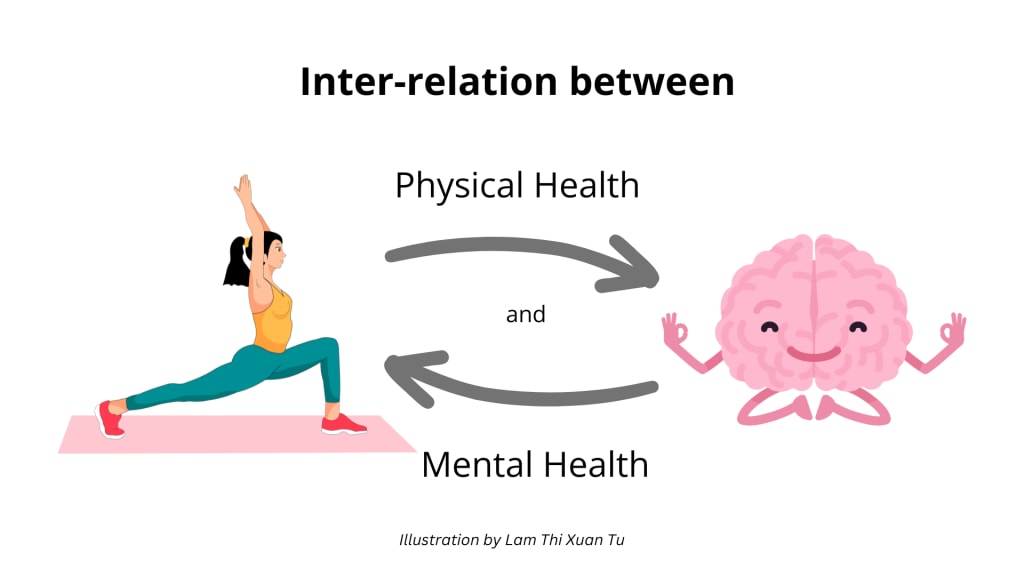
Physical activity is most often linked to a method of improving physical health, but its implications for mental health are no less significant. Exercise can prevent mental illness, reduce symptoms in those already suffering, and improve overall mood, focus, and resilience. Importantly, you need not be a sports star or spend hours in the gym to realize these impacts—small, gradual changes can have an amazing impact.
How Exercise Affects the Brain and Mind
Exercise affects mental health through biological and psychological mechanisms.
Neurochemical Boost
Exercise increases the release of neurotransmitters like serotonin, dopamine, and norepinephrine—chemicals associated with mood, motivation, and feelings of pleasure. Exercise also triggers the release of endorphins, the body's natural mood stimulants.
Stress Reduction
Physical activity reduces the body's stress hormones, particularly cortisol, so individuals feel more relaxed and in control.
Neuroplasticity and Brain Health
Regular physical activity promotes the growth of new neurons and strengthens neural connections, enhancing memory, learning, and emotional regulation.
Better Sleep
People who are physically active on a daily basis sleep better, which also leads to enhanced mood, focus, and emotional stability.
Psychological Benefits of Physical Activity
Reduces Depression and Anxiety
Studies show that moderate exercise—like brisk walking for 30 minutes a day—can be as effective as an antidepressant medication for some patients with mild to moderate depression.
Enhances Self-Esteem and Confidence
Fitness success, no matter how small, can generate a sense of accomplishment and self-worth.
Cognitive Function Enhancement
Physical activity improves concentration, creativity, and decision-making.
Enhances Resilience
Dealing with adversity can be managed through regular exercise by promoting emotional stability.
Choosing the Right Type of Exercise for Mental Health
You do not need to opt for hardcore training to get benefits—what matters most is consistency. Some excellent choices include:
Aerobic Exercise: Walking, cycling, swimming, or running
Mind-Body Activities: Pilates, tai chi, and yoga combine movement with mindfulness
Strength Training: Weight training or bodyweight exercises
Outdoor Activities: Hiking, gardening, or team sports, which also provide social interaction
A combination of strength training and aerobic is ideal, but even walking every day can bring significant mental health benefits.
Tips to Start and Maintain a Long-Term Routine
1. Start Small and Build Gradually
Begin with short, manageable sessions—such as 10–15 minutes of walking—and gradually increase the intensity and duration.
2. Choose Enjoyable Activities
You'll be more apt to stick with exercising if you actually enjoy it. Experiment with different activities until you find what feels good.
3. Set Realistic Expectations
Instead of aiming for perfection, set realistic goals, such as three short workouts a week.
4. Mix Exercise with Socializing
Take a class, walk with a buddy, or find an exercise buddy. Social support makes exercise more enjoyable and motivating.
5. Track Your Progress
Keeping a journal or using an exercise app can make you feel more accountable and enable you to see your progress over time.
6. Make It a Habit
Schedule workouts at the same time each day and make them as much a part of your daily routine as brushing your teeth.
Overcoming Obstacles to Exercise
Many people struggle to start or maintain physical activity due to obstacles like:
Lack of time
Low motivation or energy
Fear of judgment
Physical limitations
Solutions like:
Breaking up workouts into shorter segments that are spread out over the course of a day
Using home workouts if gym access is difficult
Starting with low-intensity workouts to avoid burnout
Visiting a professional in the event of medical concerns
The Mind-Body Connection
Exercise is not just a path to physical strength—it actually creates mental toughness. Regular training teaches discipline, persistence, and goal attainment. Exercise can also be a moving meditation wherein repetitive motion (like walking or swimming) quiets intrusive thought and brings about mindfulness.
How to Stay Motivated in the Long Term
Celebrate Small Victories – Reward and recognize progress, even if it is something as basic as getting your workout.
Mix It Up – Switch things up occasionally to prevent boredom.
Link Exercise to Your "Why" – Reflect on how exercise enhances your mood, energy, and confidence—not necessarily your looks.
Final Thoughts
Exercise is a powerful, accessible, and natural way to boost mental health. By introducing movement into your life—even in small amounts—you can reduce stress, improve your mood, and build resilience. Remember, it's not perfection—it's consistency and joy of movement.
For professional mental health services, visit:
https://www.delhimindclinic.com/
If you need expert help with your Craft CMS website or would like to talk about your project, visit:
https://www.craftcmsdeveloper.in/ — Feel free to reach out if you require adjustments to your Craft website or simply wish to talk about your Craft project. I'm available for a complimentary consultation!
About the Creator
Keep reading
More stories from Naveen Garg and writers in Education and other communities.
How does social support influence mental health, and how can we establish a supportive network effectively?
Social support—the emotional, practical, and psychological assistance we get from others—is one of the strongest protective factors against mental health. Social support, whether from friends, family members, work colleagues, or community groups, is vital in allowing individuals to manage stress, bounce back from mental health problems, and retain emotional resilience.
By Naveen Garg5 months ago in Education
Most Sales Deals Fail Because Sellers Talk to the Wrong People
There is a quiet reason many sales conversations feel productive but go nowhere. Everyone leaves the call optimistic. Emails move back and forth. Documents get shared. Then momentum fades. Weeks pass. The deal stalls without a clear explanation.
By Armi Ponsica6 days ago in Education



Comments
There are no comments for this story
Be the first to respond and start the conversation.