
How is exercise and physical activity beneficial to mental health?
Introduction
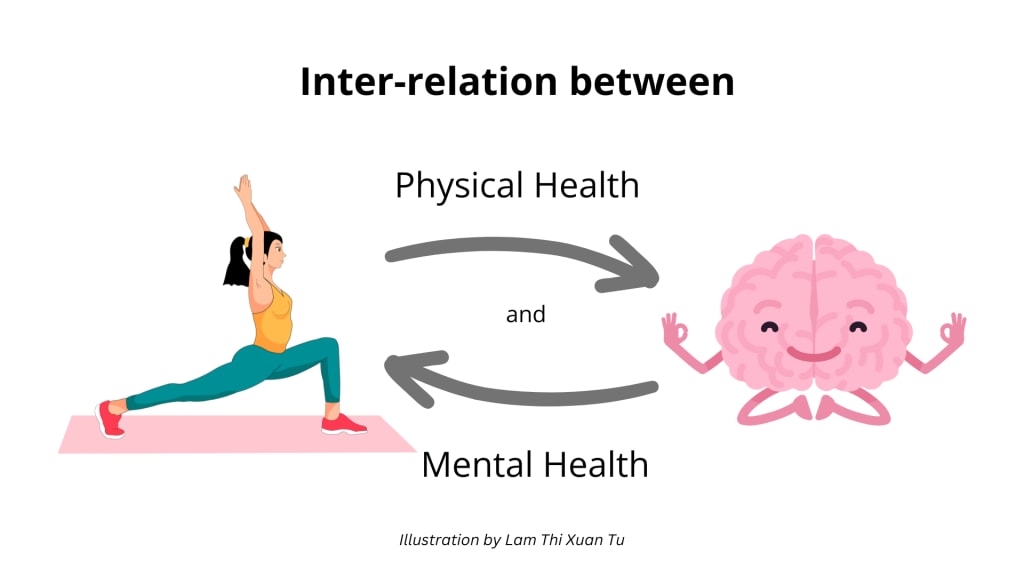
When people think of the term "exercise," they commonly associate it with physical conditioning, weight control, or heart health. Yet, growing evidence suggests that exercise is as powerful for mental well-being. Exercise not only tends to make the body stronger, but also improves mood, reduces stress, softens symptoms of depression and anxiety, and improves brain function.
Recovery from mental illness is complicated and usually is a mix of therapy, medication, and lifestyle change. Of these, exercise has proved to be one of the strongest and most natural treatments. This Q&A will cover the connection between exercise and mental health, the science behind it, different types of physical activity that are helpful, and how to work exercise into daily life.
The Connection Between Exercise and Mental Health
Brain Chemistry and Hormones
Exercise increases endorphins — sometimes called "feel-good hormones" — natural painkillers and mood boosters.
It stimulates the neurotransmitters serotonin and dopamine, which are linked with pleasure, motivation, and reward.
Regular exercise reduces levels of cortisol, the stress hormone.
Stress Relief
Exercise is a wholesome release for tension accumulated through the day.
It stimulates the body's relaxation response, resulting in better sleep and reduced irritability.
Improved Self-Esteem
Achieving fitness goals, however little, gives a feeling of accomplishment.
Healthier body image can foster confidence and a decreased sense of inadequacy.
Cognitive Advantages
Physical exercise increases blood flow to the brain, improving memory, concentration, and learning.
Exercise regularly over the long term decreases risk for cognitive impairment and dementia.
Social Contact
Group fitness class, team sport, or fitness club provides social contact that lowers loneliness and isolation, both potent influences on mental health.
Scientific Research
Again and again, evidence finds that exercise is a potent treatment for mental illness:
Depression: Clinical studies show that exercise is as good as antidepressant medication for mild or moderate depression.
Anxiety: Studies prove that aerobic exercise (jogging, cycling) reduces overall anxiety levels and increases stress resilience.
ADHD: Exercise levels dopamine and norepinephrine, improving concentration, motivation, and impulse control.
PTSD and Trauma: Mind-body exercises like yoga or tai chi modulate emotions, reduce flashbacks, and re-establish safety.
Sleep Disorders: Regular exercise improves quality of sleep, which further reduces mood swings and irritability.
Types of Exercise Good for Mental Health
Aerobic Exercise (Cardio)
Activities: Running, fast walking, swimming, cycling.
Benefits: Reduces anxiety, enhances mood, and provides energy.
Frequency: 30 minutes, 3–5 times a week.
Strength Training
Activities: Bodyweight exercises, weight lifting, resistance bands.
Benefits: Enhances resilience, improves self-esteem, and reduces depression symptoms.
Yoga and Mind-Body Practices
Combines movement with awareness of breath and mindfulness.
Most helpful for stress, anxiety, and trauma recovery.
Team Sports and Group Activities
Provides social interaction, which supports emotional well-being.
Enhances responsibility and motivation.
Green Therapy (Outdoor Exercise)
Walking, hiking, or exercising outdoors reduces rumination and enhances relaxation.
Sunlight exposure enhances vitamin D, linked to mood regulation.
Getting Started Tips
Start Small
Even a daily 10-minute walk can improve mood. Gradually increase.
Choose Pleasurable Activities
Consistency is easier if you enjoy the exercise, dancing, cycling, or swimming.
Set Realistic Goals
Begin with realistic goals to avoid discouragement.
Make Movement a Habit
Take the stairs instead of elevators, stretch during breaks, or stroll on the phone.
Use Technology to Your Advantage
Fitness apps and fitness trackers may provide structure, encouragement, and monitoring of improvement.
Synchronise Exercise with Mindfulness
Notice sensations while moving — heartbeat, breathing, muscle movement. This doubles the impact by joining mindfulness and body movement.
Challenges and Overcoming Them
Lack of Motivation: Begin with brief, fun sessions. Having a buddy can make it work.
Physical Limitations: Select low-impact exercises such as swimming, chair yoga, or stretching.
Mental Barriers: Depression or anxiety may make it hard to begin. Divide tasks into tiny steps (e.g., lace up sneakers, walk 5 minutes).
Time Constraints: Periods of brief movement (HIIT or 10-minute walks) are still beneficial.
Exercise as Part of an Integrative Mental Health Plan
Exercise is powerful, but not a silver bullet. Exercise works best in conjunction with:
Therapy: Exercise enhances the efficacy of CBT, ACT, and other types of therapy.
Medication: Exercise can counteract side effects and improve response to treatment as a whole.
Lifestyle Choices: Diet, sleep, and social support are also essential components of mental health.
The Last Word
Exercise is more than just a way of building physical strength — it is an accessible, natural, and evidence-based way of building mental health. Exercise may decrease stress, enhance mood, increase self-esteem, and enhance cognitive functioning, empowering individuals to take control of their own well-being.
As a morning walk, an evening yoga class, or gym weight-lifting, regular exercise can be a cornerstone of recovery from mental illness. Regularity is the watchword, not intensity; enjoyment is the guiding principle. Gradually, even slight movement can lead to lasting change.
For professional guidance in creating an all-round mental health care plan, visit:
https://www.delhimindclinic.com/
If you too have a Craft CMS website or intend to develop one and require improvement or consultancy, visit:
https://www.craftcmsdeveloper.in/
Feel free to reach out to me if you wish for your Craft website to be altered or just want to talk about your Craft project. I can provide a consultation for free!
About the Creator
Keep reading
More stories from Naveen Garg and writers in Education and other communities.
In what ways can meditation and mindfulness contribute to recovery of mental health?
With today's stressful lifestyle, depression, stress, and anxiety are becoming commoner. While medical treatments and therapy are still necessary, more people are now turning towards mindfulness and meditation as auxiliary techniques of regaining mental health. These are old practices endorsed by recent scientific studies, and they are low-cost, convenient, and effective in instilling a healthier mindset towards emotions and thoughts.
By Naveen Garg5 months ago in Education
How Mathematical Principles Drive Stable Monthly Results in Index Trading
Index trading has gained popularity among investors who value consistency over speculation. While market headlines often focus on short-term price swings, steady monthly returns in index trading are built on mathematical logic rather than predictions. By understanding how numbers shape market behavior, traders can develop strategies that prioritize reliability and long-term growth over emotional decision-making.
By Agast Mishraabout 12 hours ago in Education
Why Great Customer Service Is Non-Negotiable for Modern Businesses
Excellent customer service is no longer something businesses can choose to offer later. It is a basic requirement in today’s fast-moving market. Customers expect respect, clear communication, and fast solutions. When they do not get these things, they leave. This is why excellent customer service is non-negotiable for businesses that want to survive and grow.
By Apex Service Partners7 days ago in Education
How to Succeed at the Benson Directory®
Congratulations and welcome to the Benson Directory® employee #22391! As our newest call handler, you will have the privilege of speaking with dozens of unique and interesting people on a daily basis as well as the opportunity to earn bonuses for high performance. Contained within this handbook you will find a set of ease to follow instructions designed to help you settle in to your new role and begin paving the way to success.
By S. A. Crawford2 days ago in Fiction



Comments
There are no comments for this story
Be the first to respond and start the conversation.