
What is mindfulness' role in improving mental wellness, and how can newcomers start using it in the right manner?
Mindfulness' role in improving mental wellness
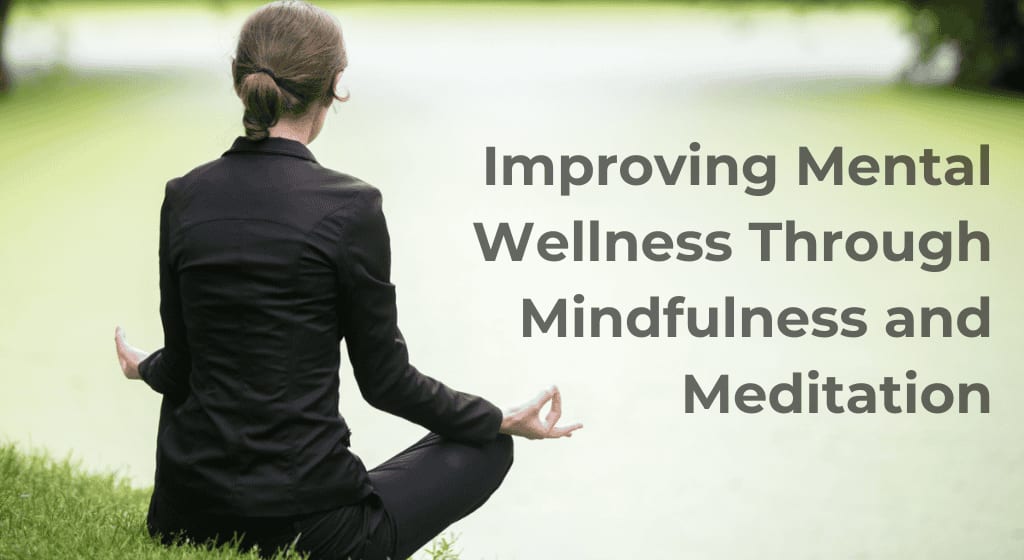
Mindfulness is a well-established, scientifically backed method for improving mental health. Grounded in meditation practices dating back thousands of years—specifically, Buddhist teachings—mindfulness means directing your attention toward what is happening in the present instant with openness, curiosity, and without judgment. With distractions, stress, and mental overwhelm always present in our contemporary world, mindfulness provides a mechanism to slow down, breathe, and re-establish a connection with ourselves.
Understanding Mindfulness
Mindfulness, in essence, is being present. That means observing your thoughts, feelings, body sensations, and environment as they are right now, without judgment or getting caught up in them. Instead of doing things on autopilot, you become trained to watch experience unfold.
For example, when faced with a stressful event, instead of getting overwhelmed right away, mindfulness enables you to notice your thudding heart, acknowledge your anxious thoughts, and choose a less anxious response.
The Science of Mindfulness and Mental Health
During the past two decades, research has shown that mindfulness is not just a spiritual concept—there are measurable benefits for mental and physical health. Studies using brain imaging have found that regular practice of mindfulness can:
Reduce activity in the amygdala (the brain's fear center), decreasing stress reactivity.
Boost the prefrontal cortex, improving decision-making, focus, and mood management.
Boost the hippocampus, which improves memory and learning.
This neurologic transformation is one of the reasons mindfulness works for anxiety, depression, post-traumatic stress disorder (PTSD), and even chronic pain.
Advantages to Mental Health of Mindfulness
Reduced Stress and Anxiety
Mindfulness interrupts the cycle of excessive worry and overthinking by anchoring attention in the here and now.
Improved Emotional Regulation
In place of emotional pushing away, mindfulness encourages you to witness and learn to make sense of emotions, eliminating impulsive reactions.
Enhanced Concentration and Attention
Mind training to stay in the moment expands the attention span.
Increased Self-Kindness
Mindfulness leads to a kinder inner voice, which can increase resilience and self-esteem.
Enhanced Resilience to Adversity
Mindful individuals recover more quickly from disappointments because they accept reality rather than resisting it.
The Way Beginners Can Start Practicing Mindfulness
Mindfulness doesn't require hours of sitting meditation or a mountain retreat—it can be incorporated into everyday life with easy steps.
1. Start Small
Start with 2–5 minutes per day. Gradually extend the duration as time goes on.
2. Practice Mindful Breathing
Sit comfortably.
Close your eyes or gaze downwards.
Pay attention to your breath—notice the sensation of air moving in and out of your nostrils or rising and falling of your chest.
If your mind does wander (and it will), gently bring your focus back to the breath without judging.
3. Practice Body Scans
Slowly move your awareness through your body from head to toe, paying attention to any sensations, tension, or relaxation without judgment.
4. Practice Mindful Observation
Choose an object, a flower or a cup of tea for instance. Gaze at it as if you are seeing it for the very first time—its color, shapes, texture, and even the emotions it elicits.
5. Mindful Walking
Notice the sensation of your feet touching the ground, your breath, and the rhythm of your steps.
Mindfulness in Daily Activities
Mindfulness does not necessarily have to be in formal meditation. You can bring awareness into ordinary activities:
Eating: Notice the tastes, textures, and smells instead of racing through meals.
Listening: Hear the other person with your full attention without preparing your reply.
Showering: Feel the temperature and pressure of the water instead of running through your list in your head.
By linking mindfulness to things you already do, you turn it into a routine pattern.
Breaking through Common Barriers for Newbies
"My Mind Won't Stop Wandering."
Wandering thoughts are fine. The idea is not to empty your mind but to note when it wanders and softly return it.
"I Don't Have Time."
One mindful breath in an angry moment is practice. Start small and build from there.
"I'm Not Doing It Right."
Mindfulness isn't about being perfect—it's about compassionate awareness. There is no "wrong" way as long as you're bringing attention with open-minded receptivity.
Mindfulness is also incorporated into therapy techniques, such as:
Mindfulness-Based Stress Reduction (MBSR) – An 8-week program proven to reduce anxiety, depression, and chronic pain.
Mindfulness-Based Cognitive Therapy (MBCT) – Combines mindfulness and cognitive therapy to prevent depression relapse.
Dialectical Behavior Therapy (DBT) – Applies mindfulness as a crucial skill for emotion regulation.
These structured programs can be very helpful for individuals who require guidance and support in developing mindfulness.
Potential Limitations and Considerations
Mindfulness is good for most people, but it might not be for all without proper guidance. Individuals who have severe trauma or high emotional distress may find some mindfulness exercises too overwhelming to undertake initially. In this instance, one should practice with a qualified therapist who can guide a person into the security and comfort of a safe environment.
Final Thoughts
Mindfulness is not a magic bullet—it is a practice that must be honed. By training yourself to be present, you create brain room to respond, not react, and this has the ability to revolutionize your mental health, relationships, and overall quality of life.
Even with a couple of careful breaths a day, the dividends can mount to establish greater calm, clarity, and resilience. Over time, mindfulness can become a way of life, not merely a practice.
For professional mental health care, visit:
https://www.delhimindclinic.com/
If you need expert help with your Craft CMS site or wish to explore your project, visit:
https://www.craftcmsdeveloper.in/ — Feel free to reach me if you require changes in your Craft site or would like to discuss your Craft project. I provide a complimentary consultation!
About the Creator
Keep reading
More stories from Naveen Garg and writers in Education and other communities.
How can regular exercise help improve mental health, and what kinds of activities are most useful?
When most people consider exercise, they focus on its physical dividends—bigger muscles, greater endurance, or weight management. But another very important and frequently overlooked dividend is how it profoundly affects mental health. Exercise can be one of the most effective, inexpensive, and natural ways of lifting mood, reducing stress, and building emotional strength. It could be a Sunday afternoon stroll around the park or a stifling gym session, but exercise has the ability to transform not just your body, but your mind too.
By Naveen Garg5 months ago in Education
Navigating Economic Uncertainty with Strategic Property Investment
Economic uncertainty has become a constant presence in today’s financial landscape. From inflation and rising interest rates to global conflicts and supply chain disruptions, investors are increasingly concerned about protecting their assets and ensuring long-term financial security. Amid this volatility, real estate remains one of the most dependable investment vehicles. Its tangible nature, consistent income potential, and historical resilience make it a powerful tool for weathering financial storms.
By Accrue Real Estateabout 3 hours ago in Education
Scaling a Business by Doing Less, Not More
Many business owners believe growth comes from adding more. More services, more markets, more tools, and more staff. While this sounds logical, it often leads to confusion and burnout. Scaling a business becomes easier and more sustainable when leaders choose to do less, but do it better.
By Darrell Hulsey7 days ago in Education
Wild Card Weekend Recap: What Happens Now?
I think I figured out why I love Wild Card Weekend so much. It's because it's the first playoff anything of the calendar year. The NFL season starts in the fall, and once upon a time, the champion was crowned either on or slightly before New Year's. The evolution of the NFL schedule has resulted in the playoffs starting just into the New Year, and currently, the final week of the season falls on the first weekend of the New Year, with Wild Card Weekend coming a week after that. So yes, chronologically, the NFL's Wild Card Weekend serves as the first playoff anything of the calendar year.
By Clyde E. Dawkins6 days ago in Unbalanced



Comments
There are no comments for this story
Be the first to respond and start the conversation.