
How can regular exercise help improve mental health, and what kinds of activities are most useful?
Regular exercise help improve mental health
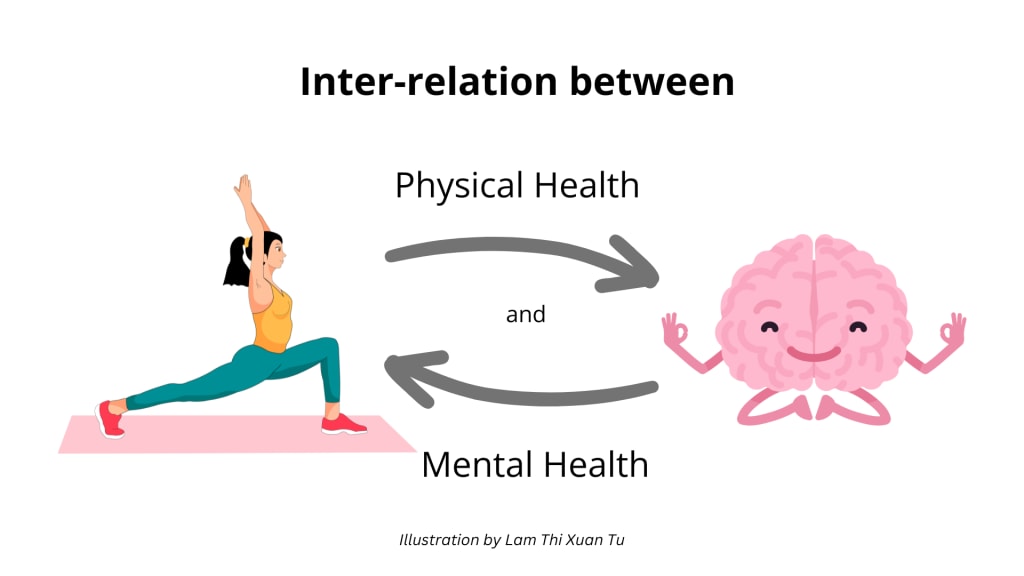
When most people consider exercise, they focus on its physical dividends—bigger muscles, greater endurance, or weight management. But another very important and frequently overlooked dividend is how it profoundly affects mental health. Exercise can be one of the most effective, inexpensive, and natural ways of lifting mood, reducing stress, and building emotional strength. It could be a Sunday afternoon stroll around the park or a stifling gym session, but exercise has the ability to transform not just your body, but your mind too.
The Mind-Body Connection
Body and mind are most intimately connected in human beings. Exercise provokes complex biochemical and neurologic reactions that immediately impact emotions and brain function. The body releases "feel-good" hormones or endorphins through exercise, natural mood elevators. Physical exercise also causes the release of brain-derived neurotrophic factor (BDNF), which encourages growth of brain cells, improves neural connections, and increases brain plasticity.
This is to note, exercise on a regular basis does not simply leave you feeling more energized—it really reprograms the brain to handle stress and emotional struggles better.
Mental Health Benefits of Regular Exercise
Reduces Symptoms of Depression and Anxiety
Regular exercise increases levels of neurotransmitters like serotonin and dopamine, which regulate mood. Medical studies reveal that moderate exercise is as good as medication in alleviating symptoms of mild to moderate depression.
Reduces Levels of Stress
Physical activity reduces cortisol levels, the body's primary stress hormone, so you feel more stable and relaxed.
Boosts Self-Esteem and Confidence
Working towards fitness levels, however small, gives a sense of accomplishment and self-esteem.
Better Sleep Quality
Regular movement enhances circadian rhythms, enabling easier sleeping and sleeping through.
Enhances Cognitive Function
Exercise increases blood supply to the brain, improving memory, focus, and decision-making capabilities.
Provides a Healthy Coping Mechanism
Physical exercise may be a healthy outlet for frustration, depression, or irritability.
Best Exercises for Mental Health
There are several exercises to remember, each with its own psychological benefit. You don't have to become a marathon runner to benefit—frequency trumps intensity.
1. Aerobic Exercise (Cardio)
Examples: Brisk walking, jogging, cycling, swimming, dancing.
Benefits: Increases mood in a short time, enhances heart health, and aids brain function. Even 20–30 minutes of daily brisk walking can pay off.
2. Strength Training
Examples: Weight lifting, resistance band exercises, body weight workouts.
Benefits: Develops physical strength and mental resilience, builds discipline, and enhances self-esteem.
3. Yoga and Pilates
Benefits: Integrates physical movement with breathing and mindfulness, which minimizes anxiety and creates relaxation.
4. Outdoor Activities
Examples: Hiking, gardening, kayaking.
Benefits: Amplifies stress reduction and sense of well-being.
5. Group Fitness
Examples: Zumba, spin classes, martial arts.
Benefits: Encourages social interaction, responsibility, and motivation.
Tips for Beginning and Maintaining an Exercise Routine
Start Small
Begin with 10–15 minutes of exercise several days a week and build up gradually.
Choose Fun Activities
You'll be more apt to stick with something you like, whether dancing or pedaling.
Set Realistic Goals
Avoid setting overly ambitious targets at the start. Focus on consistency rather than perfection.
Mix It Up
Combining different types of exercise prevents boredom and works different muscle groups.
Pair Exercise with Mindfulness
Pay attention to your breathing, bodily sensations, and surroundings during workouts to enhance mental benefits.
Overcoming Common Barriers
“I don’t have time.”
Break workouts into shorter sessions throughout the day. Even 3 × 10-minute walks can help.
“I’m too tired.”
Ironically, you'll find you have more energy after exercising, even when you do start to feel exhausted.
"I'm not in shape."
Don't worry about that—some benefit comes from movement in any quantity.
When to Seek Professional Guidance
If you have chronic health issues, mobility limitations, or history of injury, consultation with your physician or certified trainer prior to starting a new regimen is advisable. For individuals with severe depression or anxiety, physical exercise may be a useful complement—but not replacement—for professional help.
Final Thoughts
Exercise is one of the most powerful and easy mental well-being enhancers. Its benefits reach far beyond bodily health—even enabling you to manage emotions more effectively, think more sharply, and feel more connected to yourself and the world around you. By incorporating activities you love into your life on a regular basis, you can create a beneficial, long-term habit.
For professional mental health care, visit:
https://www.delhimindclinic.com/
If you need professional help with your Craft CMS website or need to talk about your project, view:
https://www.craftcmsdeveloper.in/ — No problem if you want modifications made to your Craft website or just talk about your Craft project. I'm on a free consultation!
About the Creator
Keep reading
More stories from Naveen Garg and writers in Education and other communities.
Why is mindfulness meditation helpful to mental health, and what are some simple ways to start every day?
Mindfulness meditation has been extremely popular over the last few decades, not as a fad, but as a scientifically verified method that can transform mental health. With historical roots in ancient contemplative practices, mindfulness is the practice of giving complete attention to the current moment—neither judgmentally, distractingly, nor reactionarily. With the pace of today and overstimulation, mindfulness meditation is a practical and simple way to reduce stress, emotions, and build mental toughness.
By Naveen Garg5 months ago in Education
Do you really need to take 10,000 steps a day?
While most people avoid spending the night in jail, Jean Béliveau jumped at the opportunity. For the past three years, Béliveau had been walking from country to country, with the goal of circumnavigating the globe on foot. This required sleeping in tents, strangers’ homes, and the occasional jail cell along the way. But this morning, as Béliveau was ready to leave, the police chief, who had agreed to his sleeping arrangement, was nowhere to be found, and the guards weren’t buying his story. Few people have the time or desire to walk such extreme lengths.
By Munesh Yadavabout an hour ago in Education
What’s the best position to sleep in?
In the 1970s, psychoanalyst Samuel Dunkell proposed a curious, albeit almost completely unsubstantiated, theory that the position you sleep in reflects your personality. For example, preferring to snooze in the so-called royal position indicated self-confidence, while sleeping semi-fetal meant you’re sensible and well adjusted. While Dunkell’s ideas lack any definitive proof, how we sleep can impact our health. So, what’s the best position to sleep in? Sleep positions go by countless creative names—
By Munesh Yadavabout an hour ago in Education

Comments
There are no comments for this story
Be the first to respond and start the conversation.