
What is the relationship between social media use and mental health, and how can individuals maintain a healthy balance?
Relationship between social media use and mental health
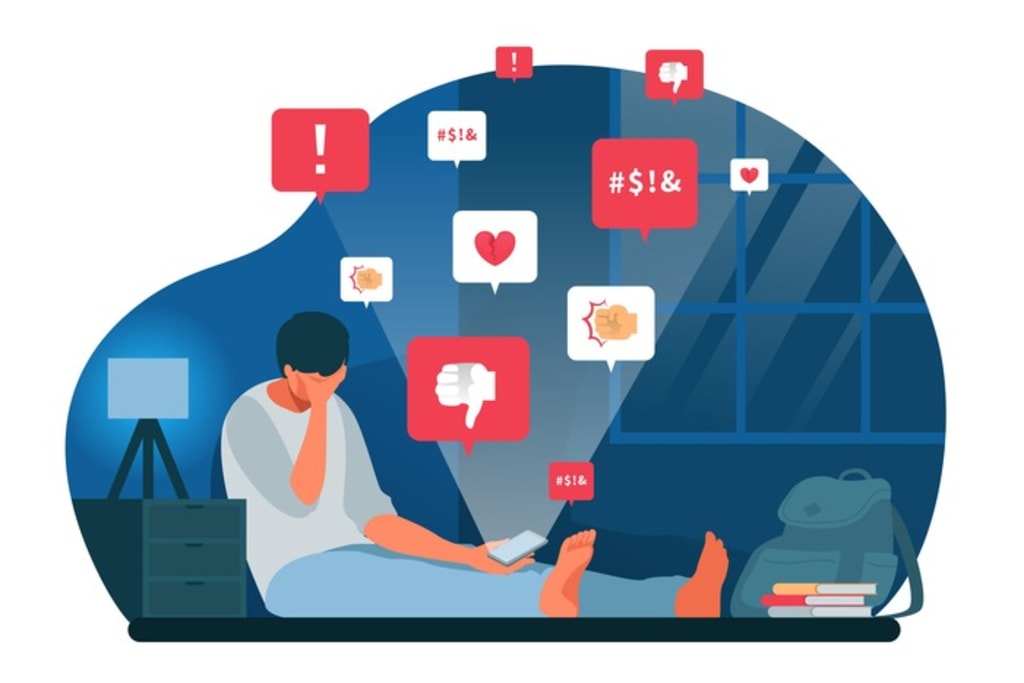
Social media has changed the way people communicate, socialize, and consume information. Facebook, Instagram, Twitter (X), TikTok, and LinkedIn are now a part of daily life. They offer a way to stay in touch with friends, discover new communities, and make posts about life achievements. For most, social media can be empowering, enjoyable, and even educational.
However, with the benefits, social media use has also been linked to more mental health issues. There is evidence that excessive use contributes to anxiety, depression, loneliness, poor sleep, and low self-esteem. On the other hand, mindful, limited use can contribute to well-being, social connectedness, and even the provision of mental health services.
This Q&A explores the complex interaction between mental health and social media and provides concrete advice on how to cultivate a balanced and healthy digital life.
Positive Impacts of Social Media on Mental Health
Although the detriments receive most of the headlines, social media also has numerous benefits:
Social Connectivity
Social media bridges geographical gaps, allowing people to remain connected in spite of physical distances. Social media has the ability to make people feel less isolated, especially during challenging times such as the COVID-19 pandemic.
Access to Information and Support
Social media is a rich soil for mental health awareness campaigns, online therapy sessions, and support groups. For many, social media is the initial contact point with coping strategies, crisis helplines, or recovery personal stories.
Community Building
Social media allows people with shared experiences (e.g., chronic illness, bereavement, or specific cultural identity) to connect, validate each other's experiences, and build solidarity.
Empowerment and Self-Expression
For some, websites provide a space for creativity, activism, and self-expression. Sharing artwork, writing, or views can promote self-esteem and make people feel heard.
Professional and Educational Development
Websites like LinkedIn offer career networking, and YouTube and TikTok can be utilized as a platform for education and learning new skills.
Negative Impacts of Social Media on Mental Health
Despite the advantages, excessive or unsupervised use is riddled with pitfalls:
Social Comparison and Self-Esteem Issues
Repeatedly viewing edited lives and filtered photographs can foster unrealistic comparisons. Some individuals measure their worth by the number of likes, comments, or followers they receive, leading to low self-esteem and body image problems.
Fear of Missing Out (FOMO)
Seeing others' success, vacations, or social outings can trigger feelings of inferiority or exclusion. This creates anxiety and dissatisfaction with one's life.
Addiction and Screen Time Overload
Social media sites are designed to be addictive, with infinite scrolling. Excessive use interferes with productivity, human relationships, and sleep patterns.
Cyberbullying and Harassment
Cyber Abuse Can Have Devastating Psychological Effects, Particularly on Young People. Victims of Cyberbullying Frequently Experience Anxiety, Depression, or Even Suicidal Thoughts.
Sleep Disorders
Blue Light from Screens and the Mental Stimulation of Evening Browsing Disrupt Circadian Rhythms, Leading to Insomnia and Fatigue.
Information Overload and Stress
Users may be bombarded by the relentless flow of news, advertisements, and opinions. Disinformation and bad news may amplify stress, fear, and uncertainty.
The Science of Social Media and Mental Health
Neuroscience can explain some of the addictive nature of social media. Each notification, like, or comment triggers dopamine — the brain's "reward" neurotransmitter. It creates a reinforcement loop where users continually seek validation in the form of engagement.
While dopamine-based feedback can enhance mood in the short term, it also generates dependence. In the long term, the brain may require escalating stimulation, leading to compulsive checking and the failure to disengage. This cycle demonstrates behavioral addiction with the same mental health consequences as gaming or gambling addiction.
Age-Specific Effects
Teenagers and Adolescents: More vulnerable to body image issues, peer pressure, and cyberbullying. Studies point to stronger links between excessive use and depression in this age group.
Young Adults: Regularly face social comparison and FOMO, which may fuel stress during life transitions like college, career launch, or relationships.
Adults: While usually stronger, adults may experience professional burnout from constant connectivity, work demands of being on call, or political/news-related stress.
Older Adults: Social media can reduce loneliness by keeping them connected, but misinformation and online scams are paramount dangers.
Strategies for Maintaining a Healthy Balance
1. Set Boundaries on Use
Use in-built screen-time trackers or time-limiting applications on platforms.
Create "no-phone" zones (e.g., during meals or bedtime).
Schedule specific times for social media usage rather than continuous checking.
2. Curate Your Feed
Follow inspiring, educational, or uplifting accounts rather than those that promote comparison or negativity.
Regularly unfollow or mute accounts that affect mental health.
3. Practice Mindful Engagement
Reflect on why you're using social media: Are you connecting, or are you bored?
Pause for a second before posting or commenting to ensure interactions remain positive and constructive.
4. Prioritize Real-Life Connections
Invest in face-to-face relationships with family, friends, and community.
Face-to-face interaction provides more emotional satisfaction than digital interaction.
5. Limit Nighttime Usage
Avoid screens 1–2 hours before bedtime.
Swap scrolling for wind-down habits like reading, journaling, or meditating.
6. Try Digital Detoxes
Take periodic breaks from social media, whether a weekend, a week, or longer.
Use the time to re-engage with hobbies, nature, and offline pursuits.
7. Seek Professional Help if Needed
If social media use begins to encroach on day-to-day functioning, relationships, or self-image, therapy is a possibility.
Therapists can help build coping strategies and treat underlying mental health problems exacerbated by online usage.
Role of Parents and Educators
For younger users, parental involvement is necessary. Parents must lead by example, speak to their children openly regarding the risks of social media, and encourage offline activities. Schools can include digital literacy and emotional resilience programs to equip students to use online platforms safely.
The Future of Social Media and Mental Health
Increasingly, there is pressure on technology companies to design platforms responsibly. Screen-time notifications, content moderation, and AI-powered detection of harmful content are all steps in the right direction. Yet, true change requires both systemic responsibility and individual mindfulness.
Final Thoughts
The relationship between social media and mental health is complex — it can both help and harm. The difference lies in how it is used. By setting boundaries, being mindful, and cultivating face-to-face relationships, it is possible to gain the benefits of social media without letting it control one's life.
Lastly, social media should be something that enhances, not detracts from, mental health. Balance does not come easily, but the reward is a healthier, more fulfilling relationship with technology and with the self.
For professional counseling and help to address mental health problems related to social media, you can visit:
https://www.delhimindclinic.com/
If you are also building a Craft CMS website and need optimization or would like to talk about your project, you can visit:
https://www.craftcmsdeveloper.in/
Feel free to reach out if you have to make changes on your Craft site or simply wish to talk about your Craft project. I'm available for a free consultation!
About the Creator
Keep reading
More stories from Naveen Garg and writers in Education and other communities.
How is stress at the workplace affecting mental health, and how can it be controlled effectively?
Work takes a prominent place in most people's lives. It provides economic security, purpose, and stimulation. However, the workplace is also potentially an enormous source of stress. Tight deadlines, high expectations, excessive working hours, job insecurity, conflicts between people, or lack of control over work can all be factors that create incessant stress. While occasional work pressure can be stimulating, chronic workplace stress has long-term effects on mental health, physical health, and quality of life.
By Naveen Garg5 months ago in Education
This is what happens in your brain when you can't recall and word
You’re sure you know your third grade teacher’s name— it’s like you’re hovering over it in your mind, but it just won’t materialize. Researchers call this tantalizing torment a “tip-of-the-tongue state,” and it's something everyone experiences. But what's actually happening when a word gets caught here? And how can you best get it unstuck? Most of the time, our brains seamlessly summon words from vast stores of knowledge, paring their meaning and sounds, and stringing them into sentences.
By Munesh Yadavabout 6 hours ago in Education
My New Book is Finally Here
My poetry collection Beautiful and Brutal Things is done. It's actually done and finally published over 270 pages. Over a year of my life went into this book. More than a year, really. Long days at my computer, sometimes seven days a week because I couldn't stop even when I probably should have. Then two months of editing that felt harder than the writing itself. But it's finished, and I'm still standing, and the book is real.
By Tim Carmichael2 days ago in BookClub




Comments
There are no comments for this story
Be the first to respond and start the conversation.