
Why is mindfulness meditation helpful to mental health, and what are some simple ways to start every day?
Mindfulness meditation helpful to mental health
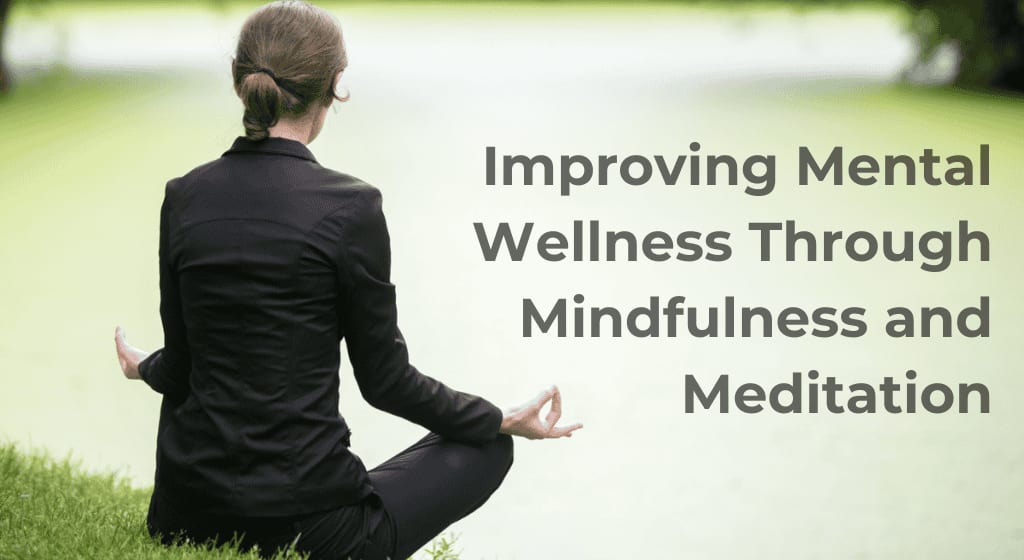
Mindfulness meditation has been extremely popular over the last few decades, not as a fad, but as a scientifically verified method that can transform mental health. With historical roots in ancient contemplative practices, mindfulness is the practice of giving complete attention to the current moment—neither judgmentally, distractingly, nor reactionarily. With the pace of today and overstimulation, mindfulness meditation is a practical and simple way to reduce stress, emotions, and build mental toughness.
What is Mindfulness Meditation?
Mindfulness meditation is a mode of mental training that consists of directing your attention to the current moment in a peaceful state while simply noticing and accepting your thoughts, emotions, and body sensations. It's not a matter of "emptying the mind" or pushing away thoughts, but of watching them without getting caught up in them.
The practice draws from ancient Buddhist traditions, but modern mindfulness meditation is secular and widely used in healthcare, therapy, and personal wellness programs.
How Mindfulness Supports Mental Health
Reduces Stress and Anxiety
Mindfulness lowers levels of cortisol, the body’s stress hormone. By paying attention to the present, you’re less likely to spiral into anxious thoughts about the past or future.
Improves Emotional Regulation
Regular practice enables you to notice early on and think first before you respond, rather than acting on impulse.
Increases Self-Awareness
More paying attention to patterns in your behavior and thoughts makes it easier to break out of unhealthy patterns.
Aids Depression Recovery
Mindfulness-Based Cognitive Therapy (MBCT) is a well-tested program that combines mindfulness exercises with cognitive therapy to prevent depressive recurrence.
Improves Concentration and Cognitive Function
Mind training to return to the present increases span of concentration, working memory, and problem-solving capacity.
Scientific Evidence
Researchers at Harvard found that meditation on mindfulness can lead to measurable changes in the brain, most significantly in those regions that are linked with learning, memory, and mood regulation.
Johns Hopkins University analyzed over 18,000 studies of mindfulness and found that it is especially effective for reducing symptoms of depression, anxiety, and pain.
UK National Health Service (NHS) offers mindfulness as a treatment for patients with chronic depression and stress.
Practical Steps to Get Started with Mindfulness Meditation
1. Begin Small
Take 5–10 minutes a day. Consistency is more crucial than time in the beginning.
2. Bring the Focus Back to the Breath
Pay attention to the sensation of air entering and leaving your nostrils or the rising and falling of your chest. When your mind wanders (and it will), return it to the breath gently.
3. Body Scan Meditation
Scan your body with a gentle flow of attention, noting areas of tension or relaxation but not trying to change them.
4. Mindful Walking
As you move, notice the sensation of your feet on the ground, the rhythm of your pace, and the environment.
5. Guided Meditations
Use apps like Headspace, Calm, or Insight Timer to use structured sessions, especially helpful for beginners.
6. Mindfulness in Daily Activities
Exercise being present while eating, taking a shower, or even washing dishes by concentrating entirely on sensations, smells, sounds, and textures.
Overcoming Shared Obstacles
"I can't shut my mind down."
Mindfulness isn't about suppressing thoughts—it's about observing them without judgment. With time, the mind calms down.
"I don't have time."
Mindfulness can be done in small doses throughout the day, even for 1–2 minutes at work or on the way to work.
"It's boring."
Boredom is usually a sign the mind is hungry for stimulation. Even observing boredom is an act of mindfulness.
Creating a Sustainable Routine
Choose a regular time daily (morning or evening is fine).
Establish a quiet atmosphere—turn off your phone, dim the lights, and get comfortable.
Sit on a meditation chair or cushion to minimize discomfort.
Persevere—benefits tend to accumulate over weeks or months.
Mindfulness Beyond Meditation
While seated meditation is the most common practice, mindfulness is a way of life. By using full attention to work tasks, meals, conversations, and daily activities, you can develop fuller benefits. Mindfulness has the ability to change the way you live over time—reducing reactivity, increasing compassion, and increasing your relationship with others and yourself.
Final Thoughts
Mindfulness meditation is a simple yet effective way to improve mental health. It trains the mind to greet life with more clarity, peace, and compassion. Starting small and consistency can transform the way you handle stress, feelings, and everyday challenges.
For professional mental health services, visit:
https://www.delhimindclinic.com/
If you need professional help for your Craft CMS website or wish to speak with us regarding your project, visit:
https://www.craftcmsdeveloper.in/ — Please contact me if you'd like to modify your Craft site or just want to talk about your Craft project. I'd be happy to offer a free consultation!
About the Creator
Keep reading
More stories from Naveen Garg and writers in Education and other communities.
What is the role of physical activity in improved mental well-being, and how does one start a sustainable routine of exercise?
Physical activity is most often linked to a method of improving physical health, but its implications for mental health are no less significant. Exercise can prevent mental illness, reduce symptoms in those already suffering, and improve overall mood, focus, and resilience. Importantly, you need not be a sports star or spend hours in the gym to realize these impacts—small, gradual changes can have an amazing impact.
By Naveen Garg5 months ago in Education
Core Skills Every Finance Professional Needs Today
Financial analysis is one of the most critical abilities for anyone working in finance today. Companies rely on clear and accurate financial information to make smart business decisions. Finance professionals must understand how to read numbers, study trends, and guide action based on facts. These must-have financial analysis skills help workers become stronger, more confident, and more valuable in their roles. When used well, these skills support better planning, lower risk, and long-term success. Because of this, developing strong financial analysis skills is essential for finance professionals at every level.
By Andrew Lake4 days ago in Education
Navigating the Most Complex Heart Conditions
Cardiology is advancing at a remarkable pace, thanks to next-generation imaging technologies that allow doctors to see the heart in extraordinary detail. For patients with complex or rare cardiac conditions, these tools provide insights that traditional methods often miss. By combining structural, functional, and metabolic imaging, physicians can make accurate diagnoses, plan effective treatments, and monitor progress with unprecedented precision. Modern cardiac imaging is redefining how heart disease is detected and managed.
By Nishi Patel5 days ago in Education


Comments
There are no comments for this story
Be the first to respond and start the conversation.