
In what ways does social media have an impact on mental health, both positively and negatively?
Social media have an impact on mental health
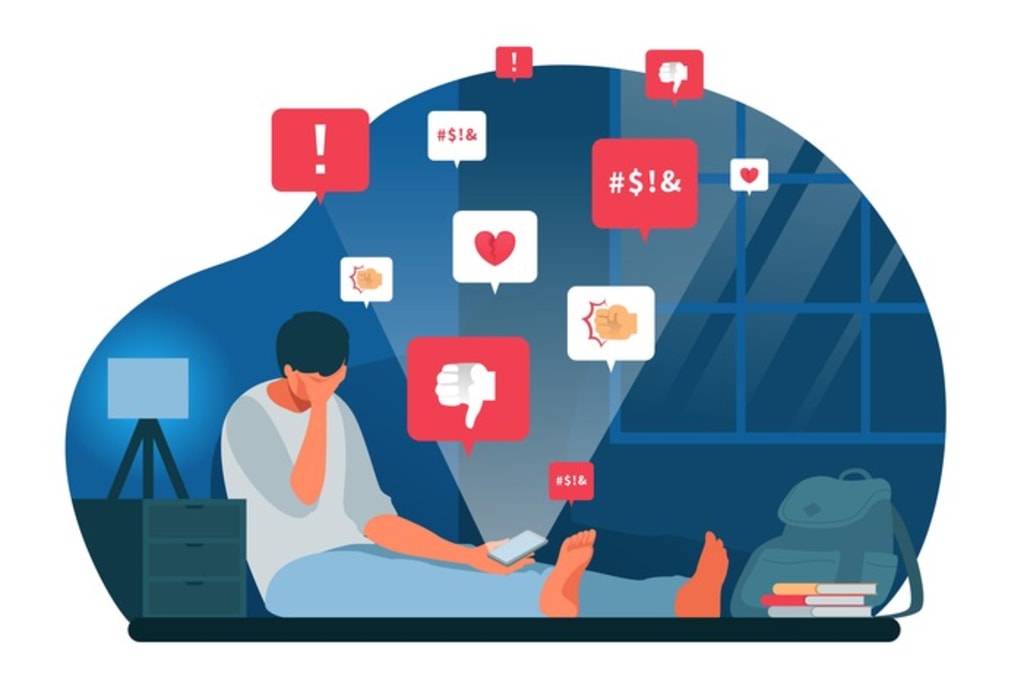
Social media is a part of our lives. From glancing at updates in the morning to swiping late at night, social media sites such as Facebook, Instagram, Twitter (X), TikTok, and LinkedIn influence the way we interact, share, and consume the world around us. While social media has brought unprecedented benefits such as global connectivity, immediate access to information, and more channels for self-expression, its impact on mental health is complex. To most people, social media represents a double-edged sword — providing assistance and harming people, depending on use, the material watched, and individual circumstances.
Throughout this discussion, the positive and negative impacts of social media on mental health shall be addressed while offering practical tips to ensure healthy use of such resources.
Positive Effects of Social Media on Mental Health
Social connections and Community Support
One of the biggest benefits of social media is that it has the ability to unite people regardless of distances. Individuals who experience loneliness, chronic illness, or mental health issues can find support groups online. For example, forums, Facebook communities, and Twitter/X threads allow individuals to share their stories, provide advice, and not feel so isolated. Social media provides a space for marginalized populations where they are able to be heard and understood.
Access to Information and Resources
Mental health campaigns go viral on social media, breaking down stigma and demanding frank talk. People can access educational content, mental health tips, and information on therapy or self-practice techniques at the touch of a button. Such an information democratization makes earlier help-seeking easier.
Creative Expression and Identity Formation
These sites, like Instagram, YouTube, or TikTok, allow individuals to communicate in art, words, video, or sound. For others, artistic expression is therapeutic, and social media offers a global audience that appreciates their voice. This can particularly be important for young people navigating their identities, i.e., gender, sexuality, or cultural heritage.
Motivation and Positive Inspiration
The majority of users subscribe to specialized accounts in fitness, mindfulness, productivity, or self-help. These can create healthier habits, encourage thankfulness, or provide daily affirmations. In other cases, motivational posts remind them to persevere during difficult times.
Professional Networking and Opportunities
LinkedIn and similar career websites give people the platform to showcase skills, connect with professionals, and open themselves up to opportunities that otherwise would not be accessible. The sense of accomplishment and belongingness can increase self-esteem and self-confidence.
Negative Impact of Social Media on Mental Well-being
Comparison and Low Self-Esteem
Perhaps the most widely argued negative effect of social media is comparison to other people. Canny expertly composed posts — featuring holiday extravagance, flawless selfies, or work achievements — have a tendency to raise unrealistic standards. Constant comparison can cause diminished confidence and worsening feelings of inadequacy, especially in young adults and teenagers.
Most sites are designed for addiction, using algorithms that perpetuate infinite scrolling. This habitual use can interfere with sleep, work, school, and even relationships. "Fear of missing out" (FOMO) causes individuals to constantly check notifications, with the ultimate effect being increased anxiety and stress.
Cyberbullying and Online Harassment
Social media also offers opportunities for abusive exchanges. Online bullying, trolling, and cyberbullying can cause serious emotional harm. Victims may develop depression, withdraw from society, or become suicidal from repeated online harassment.
Sleep Disruption
Late-night scrolling or exposure to the blue light of screens can disrupt sleep cycles. Poor sleep is directly linked to worsening anxiety, irritability, and depression. For many people, social media use before bedtime creates a cycle of fatigue and stress.
Distorted Reality and Mental Health Disorders
Continuous exposure to "highlight reels" of others' lives distorts a person's perception of reality. Filtered and influencer culture propagates unrealistic expectations regarding bodies, which tends to lead to body image issues, eating disorders, or depression. Evidence has also been found to prove correlations between overuse of social media and increased anxiety disorder rates.
Reduced Face-to-Face Interaction
Excessive reliance on social media as a basis for social connection can decrease the quality of real-life social interaction. Human well-being depends on face-to-face communication, and substituting it with internet communication can decrease intimacy, empathy, and emotional satisfaction.
Age and Vulnerability Factors
Social media impact on mental well-being also differs according to age, personality, and vulnerability.
Young adults and adolescents are most susceptible to peer pressure, comparison, and bullying online. Their identities are still developing and are more open to external validation.
Adults may experience stress from professional competition on LinkedIn or partisan conflict on Twitter/X.
Older adults can employ social media as a source of connection but can also be a target of misinformation or fraud.
Practical Strategies for Healthy Social Media Use
Since social media is here to stay, the emphasis has to be on cultivating better digital habits. Here are some evidence-based ways to do so:
Set Time Limits – Use built-in screen time tracking to monitor and set daily limits. Even a reduction in usage by 30 minutes a day can improve well-being.
Curate Your Feed – Unfollow and unfollow those who give rise to comparison and negativity and follow those that promote positivity, creativity, and growth.
Practice Digital Detox – Schedule regular breaks from social media, for a few hours a day, a weekend, or even some days.
Be Conscious of Purpose – Stop and think before you launch an app. Are you doing this out of boredom, habit, or actual need for connection? Being aware reduces mindless scrolling.
Emphasize Face-to-Face Interaction – Encourage digital communication to counterbalance with in-person interactions. Fostering offline relationships protects mental health.
Take Care of Your Sleep – Avoid social media at least an hour before bedtime. It enhances your circadian rhythm and reduces night anxiety.
Help Yourself If Needed – If social media consumption is causing distress, therapy or counseling can provide skills to reclaim control and build resilience.
The Balanced Perspective
It is important to mention that social media itself is not necessarily "bad" or "good." It is more like that its impact depends on how we use it. For some, it is a lifeline that brings connection, creativity, and community. For others, it is a cause of tension, jealousy, or harm. By understanding both views and using it mindfully, individuals can benefit from the strengths of social media without compromising their mental health.
As technology evolves, so too must our understanding of its psychological impacts. Encouraging e-literacy, teaching children healthy behavior, and openly discussing online behavior will help society gain a better understanding of this complex relationship.
If you or someone close to you is facing the negative impact of social media on their mental health, there is expert assistance available. There can be a safe environment for therapy to vent out, develop coping strategies, and regain confidence.
To find more information and seek professional guidance, you can go to:
https://www.delhimindclinic.com/
Also, if you are making a Craft CMS website and require changes, improvements, or just want to talk about your project, you can go to:
https://www.craftcmsdeveloper.in/
Don't be afraid to get in touch with me if you'd like to make some changes to your Craft site or just want to chat about your Craft project. I provide a free consultation!
About the Creator
Keep reading
More stories from Naveen Garg and writers in Education and other communities.
What is the role of self-compassion in good mental health?
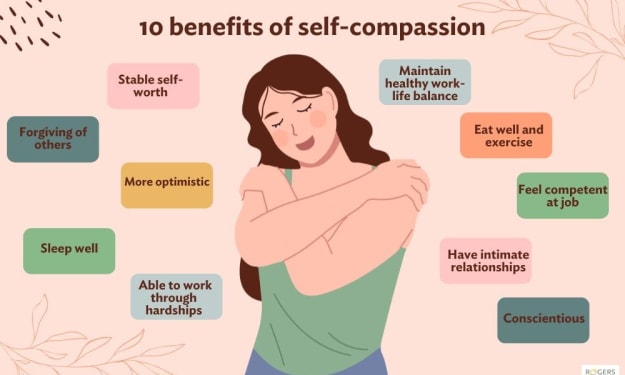
In regard to mental health, most individuals prioritize external measures such as stress reduction, therapy, or changing their lifestyle. These are all necessary, but too often a very influential but underused asset is self-compassion. In a culture that too frequently promotes perfectionism, accomplishment, and comparison, self-compassion helps people to accept their flaws, admit when they are struggling, and be kind to themselves instead of self-critical.
By Naveen Garg5 months ago in Education
A brief history of alcohol
This chimpanzee stumbles across a windfall of overripe plums. Many of them have split open, drawing him to their intoxicating fruity odor. He gorges himself and begins to experience some… strange effects. This unwitting ape has stumbled on a process that humans will eventually harness to create beer, wine, and other alcoholic drinks. The sugars in overripe fruit attract microscopic organisms known as yeasts. As the yeasts feed on the fruit sugars they produce a compound called ethanol— the type of alcohol in alcoholic beverages.
By Munesh Yadavabout 5 hours ago in Education
The Lean Advantage: How Small Improvements Create Massive Business Wins
In today’s fast-moving market, businesses don’t always need massive overhauls to see major growth. The real competitive advantage often comes from Lean process improvement—small, consistent changes that reduce waste, improve speed, and strengthen customer value. With a proactive approach, companies can spot inefficiencies early, prevent recurring problems, and build smarter systems before minor issues become costly setbacks.
By Duke Valentoura day ago in Education


Comments
There are no comments for this story
Be the first to respond and start the conversation.