Naveen Garg
Stories (243)
Filter by community
What are the warning signs of depression, and how can early intervention make a difference?
Answer: Depression is one of the most common mental illnesses worldwide, yet it goes unrecognized and untreated for long periods of time. Depression is more than a temporary mood, unlike the day-to-day sadness that occurs so frequently—it is a serious disease that gets in the way of how a person thinks, feels, and carries out daily functions. The earlier depression is identified and addressed, the greater the likelihood of recovery and the prevention of long-term consequences. Unfortunately, stigma, confusion, and ignorance often lead people to postpone getting help.
By Naveen Garg5 months ago in Education
What is the role of social support in mental health recovery?
Human beings are social creatures. From the day we were born, our sense of safety, identity, and purpose has been defined by relationships. Just as much as trauma, loneliness, or conflict have injured us so deeply, so too do understanding, care, and community heal us deeply. Social support is the most important—and least understood—ingredient in recovery from mental illness. Whether someone is suffering from depression, anxiety, trauma, bipolar disorder, or something else, the people who are close to them have a powerful influence on how they adjust, recover, and thrive.
By Naveen Garg5 months ago in Education
How does trauma affect mental health, and through what mechanisms can healing take place?
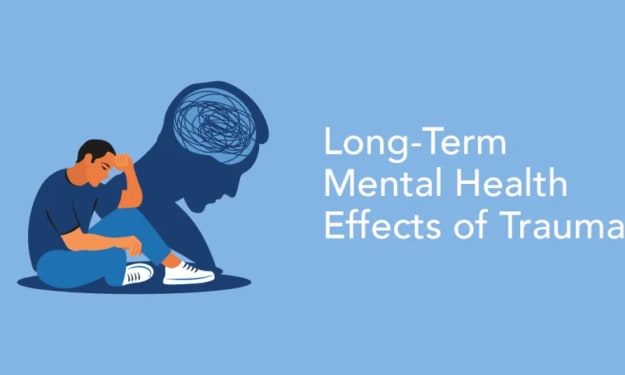
Answer: Trauma is perhaps the most forceful influence affecting a person's emotional and mental well-being. Not only is it limited to those devastating occurrences—e.g., natural disasters, violence, accidents—but to those more insidious, chronic experiences, e.g., repeated exposure to instability, chronic stress, neglect. The effect of trauma is not a one-size-fits-all situation; it is different based on many factors including the nature of the event, the age of the individual, the support network, and available resources. Yet, what unites traumatic events is the way they can overtake our resilience and alter our perception of ourselves, others, and the world. Having an understanding of how trauma impacts mental health, and the way to become on the road to recovery, is essential to foster resilience and healing.
By Naveen Garg5 months ago in Education
What are effective strategies for managing chronic anxiety in daily life?
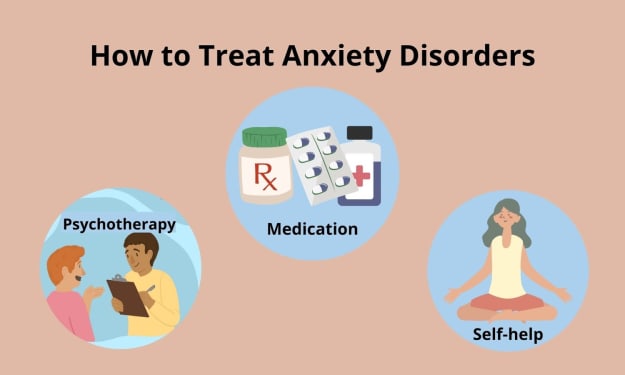
Chronic anxiety can feel like a constant companion—always present, sometimes overwhelming, and often exhausting. Yet, many individuals have found that a combination of tailored strategies can help reduce its hold and restore a sense of balance, control, and peace. Managing chronic anxiety is not about a single “fix” but rather about developing a toolkit of approaches that address mind, body, lifestyle, and support systems. Below, I’ll outline several evidence-informed and compassionate strategies to help navigate and soothe anxiety in daily life.
By Naveen Garg5 months ago in Education
What's the Role of Exercise in Mental Health?
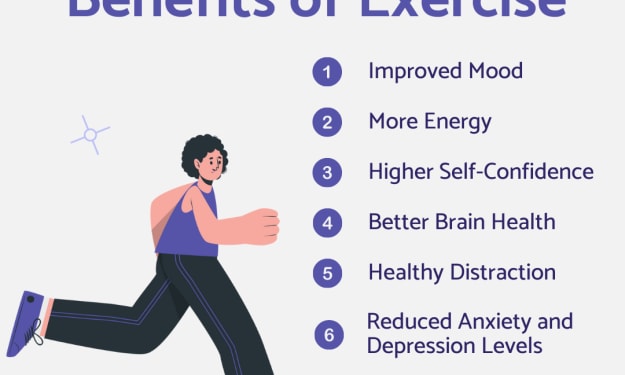
Introduction The majority of individuals who consider exercise tie it to physical improvements like weight, strength, or heart. However, research over the last couple of decades has consistently highlighted that exercise also plays an important role in mental health. Body exercise doesn't just shape the body—it profoundly affects the brain, emotions, and overall psychological health.
By Naveen Garg5 months ago in Education
How Nutrition Affects Mental Health?
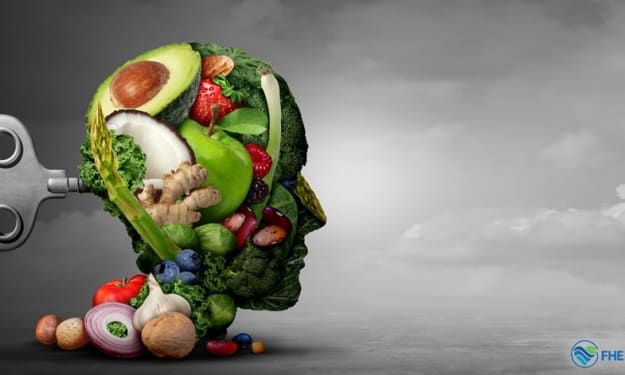
Introduction The old saying "you are what you eat" has never sounded truer than when it comes to mental health. Diet is not generally accorded the importance it ought to have when emotional well-being comes up for consideration, but it plays an enormously important part in the way we feel, think, and behave. Just as food sustains the body, it fuels the brain—the command center for emotions, thinking, and recovery. In recent decades, scientific evidence has increasingly revealed that diet is not only essential in the prevention of physical illnesses like diabetes or heart disease but also in the preservation of healthy brain function and the prevention of psychiatric disorders.
By Naveen Garg5 months ago in Education
How Does Exercise Impact Mental Health?
Introduction Exercise has been found to offer its benefits to physical health in the form of a better cardiovascular system, more muscular muscles, and better control over body weight. But in recent decades, science has increasingly found that exercise is as vital to the mind as it is to the body. Regular exercise is currently a recognized core element in the prevention and management of mental disorders such as depression, anxiety, stress, and even major diseases such as schizophrenia. It is not a substitute for therapy and medication but a very potent supportive agent that enhances emotional resilience, self-esteem, and overall satisfaction in life.
By Naveen Garg5 months ago in Education
How Does Social Media Impact Mental Health?
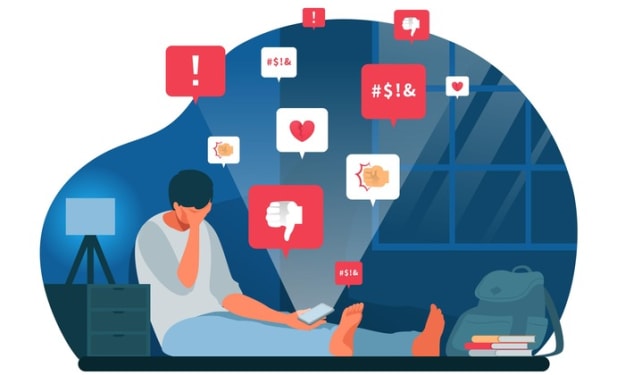
Introduction In the last two decades, social media has revolutionized how people communicate, learn, and form relationships. Platforms like Facebook, Instagram, Twitter (now X), TikTok, and LinkedIn are no longer just tools for networking—they have become integral to identity, community, and even work. While social media holds out the promise of connection, self-expression, and information-sharing, its effects on mental health are complex and not always positive. For some, social media can motivate, inspire, and teach isolation. For others, it can deepen insecurities, amplify loneliness, and even trigger serious mental illness. Such nuances must be grasped in today's digital-first world.
By Naveen Garg5 months ago in Education
What Is the Role of Nutrition in Mental Health?
Introduction Mental health is not just influenced by heredity, environment, and life experience but also by the nutritional value. Food we consume influences brain function, synthesis of neurotransmitters, and psychological well-being. New findings in nutritional psychiatry indicate that an optimally balanced diet with sufficient essential nutrients can prevent or attenuate signs of depression, anxiety, cognitive impairment, and other mental disorders. Understanding the interconnection between nutrition and mental health converts individuals into smart consumers who can make wise choices towards instilling emotional resilience, energy, and mental acuity.
By Naveen Garg5 months ago in Education
How Mindfulness Supports Mental Well-being
Introduction In the last several decades, mindfulness has emerged as a powerful tool supporting mental well-being. Derived from ancient meditative practices, mindfulness is the cultivation of awareness in the here and now without judgment. Functionally speaking, it is the ability to notice thoughts, emotions, and sensations in the body as they arise, rather than acting on autopilot or being swept away by them. Research consistently shows that mindfulness has the ability to reduce stress, improve emotional control, increase focus, and even transform attention and resilience-related brain structures.
By Naveen Garg5 months ago in Education
How Does Sleep Affect Mental Health?
Sleep is a fundamental physiological process that is essential to the physical, cognitive, and emotional well-being. Despite its importance, busy contemporary lifestyles, pressure, and technology have disrupted sleep patterns for hundreds of millions of people worldwide. Sleep and mental health are mutually dependent: poor sleep can cause and worsen mental health disorders, and mental illnesses can disrupt sleep. Appreciation of this connection is fundamental to the maintenance of emotional balance, cognitive function, and overall well-being.
By Naveen Garg5 months ago in Education
How Does Social Media Impact Mental Health?
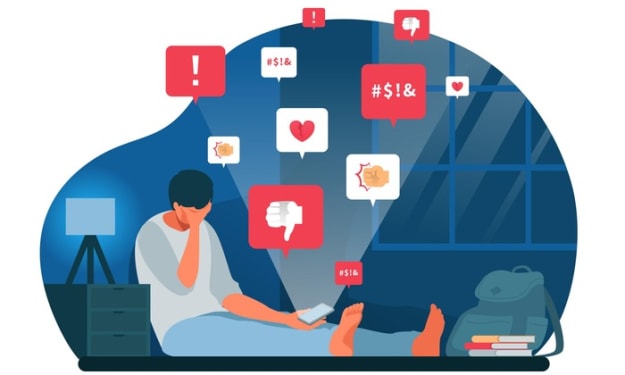
Social media is an ever-present force in modern digital existence. Facebook, Instagram, Twitter (X), and TikTok connect billions of users from all corners of the world, making it simpler than ever to communicate, express oneself, and share information. While social media provides a great many benefits, including building communities and spreading awareness, its impact on mental health is still a concern that continues to grow. Studies now show that excessive use or social media imbalance is the cause of stress, anxiety, depression, loneliness, and self-perception distortion. At the same time, it can be a means of support, learning, and empowerment if used responsibly.
By Naveen Garg5 months ago in Education