
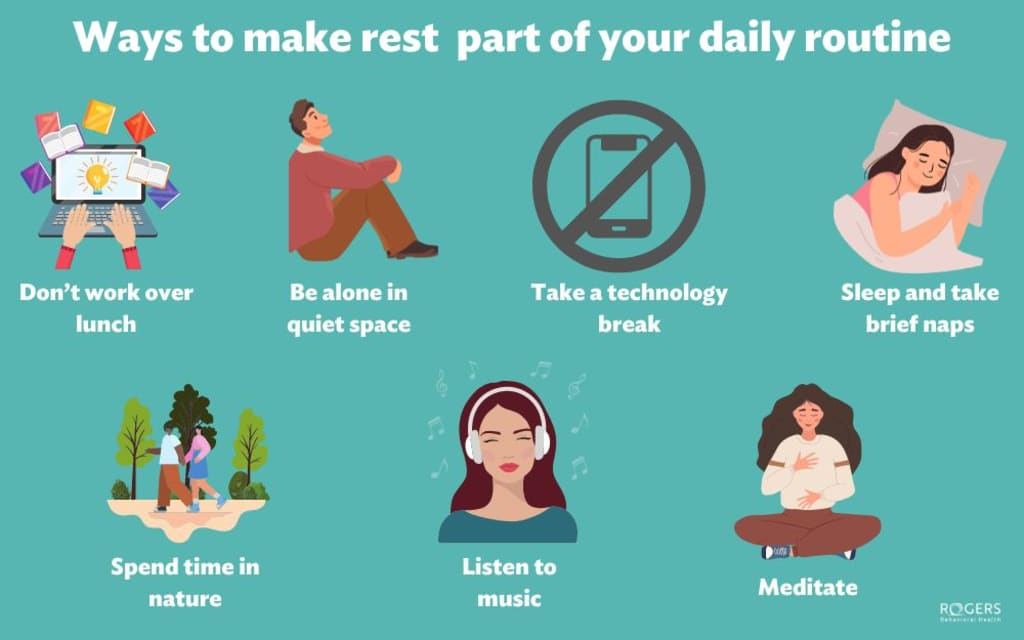
Sleep is a fundamental physiological process that is essential to the physical, cognitive, and emotional well-being. Despite its importance, busy contemporary lifestyles, pressure, and technology have disrupted sleep patterns for hundreds of millions of people worldwide. Sleep and mental health are mutually dependent: poor sleep can cause and worsen mental health disorders, and mental illnesses can disrupt sleep. Appreciation of this connection is fundamental to the maintenance of emotional balance, cognitive function, and overall well-being.
The Role of Sleep in Mental Well-being
Sleep is more than a passive state of rest. During sleep, the brain actively engages in processes critical to life, including:
Memory Consolidation: Information learned during the day is consolidated and stored for long-term memory.
Emotional Regulation: Sleep helps regulate mood through the processing of emotions and stress reduction.
Detoxification: The glymphatic system removes neurotoxic trash from the brain while sleeping deeply.
Hormonal Balance: Sleep controls hormones such as cortisol, melatonin, and serotonin, which are important for stabilizing moods.
Sleep deprivation or poor sleep interferes with these processes, opening doors to anxiety disorders, depression, and other mental health issues.
How Sleep Disturbances Affect Mental Health
1. Anxiety Disorders
Sleep deprivation leads to heightened activity within the amygdala (the brain's emotional center) and reduced regulation by the prefrontal cortex. This yields heightened emotional reactivity, irritability, and anxiety. Extensive sleep deprivation can trigger or exacerbate generalized anxiety disorder (GAD) and panic attacks.
2. Depression
Disrupted sleep or insomnia is both a symptom and a predictor of depression. Bad sleep inhibits serotonin and dopamine activity in the brain, which are essential for mood regulation. The individual might always have low mood, lack of initiative, and hopelessness.
3. Bipolar Disorder
Sleep disturbance is a cause of mood episodes in patients with bipolar disorder. Reduced sleep causes mania, whereas hypersonmia commonly occurs after depressive episodes. Normalization of sleep routines is a key element of management of bipolar disorder.
4. Post-Traumatic Stress Disorder (PTSD)
Survivors of trauma generally have insomnia and nightmares. Disruption of sleep inhibits emotional processing, increasing hyperarousal as well as anxiety. This generates a pattern of trauma distress over time.
5. Cognitive Impairments
Sleep loss of long duration reduces attention, decision-making, problem-solving, and memory. These cognitive impairments increase stress and decrease the ability to cope with life's challenges, with secondary impacts upon mental health.
Causes of Sleep Disruptions
There are several reasons that can disrupt good sleep patterns:
Stress and Anxiety: Thoughts racing around and worry make sleep impossible.
Depression: Changes in circadian rhythms can cause insomnia or hypersomnia.
Lifestyle Factors: Unusual work patterns, excessive screen time, or reliance on alcohol or caffeine disrupt sleep.
Medical Conditions: Chronic pain, sleep apnea, or other illnesses disturb sleep.
Medications: Certain medications for depression, steroids, or other stimulants compromise sleep quality.
The Vicious Cycle of Poor Sleep and Mental Health
Sleep and mental health create a vicious cycle that perpetuates itself endlessly:
Poor sleep → disrupted emotional control → increased stress → worsened symptoms of mental illness → further sleep disturbance.
Breaking this cycle is crucial in order to improve both psychological well-being as well as overall health.
Methods to Improve Sleep and Foster Mental Well-being
1. Sleep Hygiene Practices
Create a consistent sleeping routine.
Create an appropriate sleeping environment: dark, quiet, and cool.
Limit exposure to screens at least one hour before bedtime.
Prevent heavy meals, caffeine, and alcohol close to bed.
2. Relaxation and Mindfulness
Deep breathing, progressive muscle relaxation, and meditation calm the nervous system before sleeping.
Pre-sleep journaling might lower runaway thoughts and work through worries.
3. Cognitive Behavioral Therapy for Insomnia (CBT-I)
CBT-I addresses altering unhealthy sleep habits and thinking.
Techniques employed are stimulus control, sleep restriction, and cognitive restructuring.
Research suggests CBT-I is highly effective for chronic insomnia and secondary mental illness conditions.
4. Physical Activity
Regular exercise improves sleep quality, reduces stress, and improves mood.
Do not exercise vigorously close to bedtime because it can interfere with sleep.
5. Professional Help
Chronic sleep disruptions may be indicative of underlying mental illnesses or sleep disorders.
Psychologists, psychiatrists, or sleep specialists can provide evaluation and targeted therapy.
Special Considerations
Adolescents: Teenagers experience spontaneous variations in circadian rhythms, which makes early school hours challenging. Lack of sleep increases the risk for depression, anxiety, and lack of academic achievement.
Adults: Work stress, parenting, and lifestyle pressures lead to chronic sleep loss. Prevention of these causes can prevent long-term psychological effects.
Older Adults: Aging has been found to affect sleep structure, which results in lighter, more fragmented sleep. Detection and intervention can improve quality of life and cognitive functioning.
Final Thoughts
Sleep is not a privilege, but a mandate for emotional, mental, and physical well-being. Disrupted sleep has far-reaching effects on mood, cognitive function, and overall mental health. Fortunately, through habitual sleep hygiene, mindfulness, therapy, and professional assistance, individuals can reverse counterproductive sleep habits and develop mental resilience. Sleeping first is a critical first step toward achieving emotional balance, stress resistance, and better overall quality of life.
For professional guidance and counseling for mental health, visit:
About the Creator
Keep reading
More stories from Naveen Garg and writers in Education and other communities.
How Does Social Media Impact Mental Health?
Social media is an ever-present force in modern digital existence. Facebook, Instagram, Twitter (X), and TikTok connect billions of users from all corners of the world, making it simpler than ever to communicate, express oneself, and share information. While social media provides a great many benefits, including building communities and spreading awareness, its impact on mental health is still a concern that continues to grow. Studies now show that excessive use or social media imbalance is the cause of stress, anxiety, depression, loneliness, and self-perception distortion. At the same time, it can be a means of support, learning, and empowerment if used responsibly.
By Naveen Garg5 months ago in Education
Common Online Money
Introduction: The Dark Side of Online Earning The internet has created countless opportunities to earn money online. From freelancing and blogging to online teaching and affiliate marketing, many people now make a living from the digital world. However, along with real opportunities, the internet is also full of scams. Every year, millions of people lose money, time, and personal information because of online money-making frauds. Understanding these scams is the first step to staying safe. This article explains the most common online money-making scams and how you can avoid them.
By Bilal Mohammadi4 days ago in Education
Casie Hynes and the Future of Math Education Reform
Mathematics has always been a cornerstone of formal education. It strengthens reasoning, supports problem solving, and underpins critical fields such as science, technology, engineering, and economics. Yet despite its importance, math remains one of the most challenging subjects for students across the globe. Many learners struggle not because they lack ability, but because the way math is taught no longer aligns with how students learn or how the world now functions.
By Casie Hynesabout 9 hours ago in Education



Comments
There are no comments for this story
Be the first to respond and start the conversation.