
What is the role of social support in mental health recovery?
social support
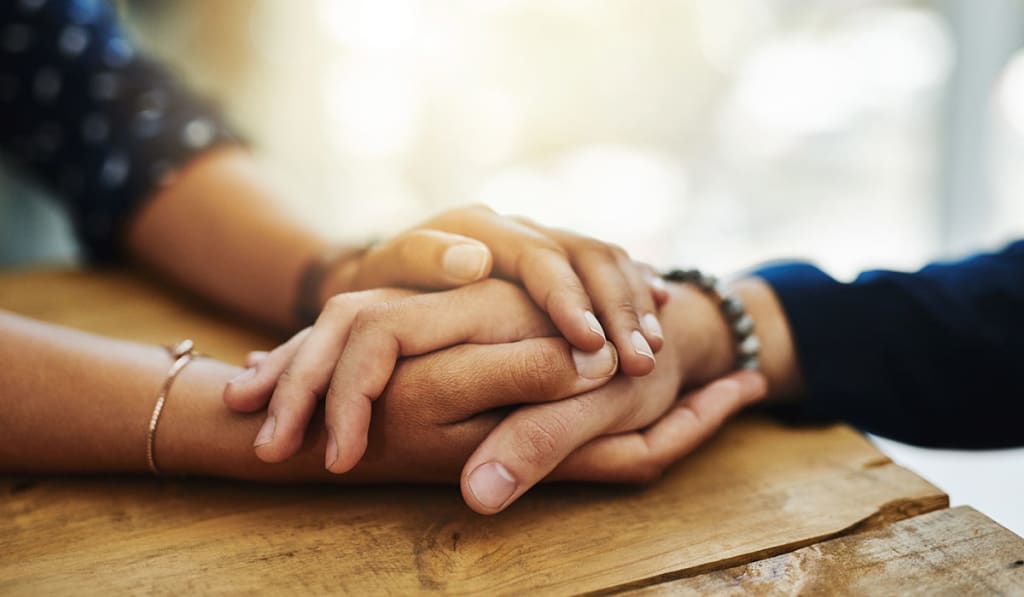
Human beings are social creatures. From the day we were born, our sense of safety, identity, and purpose has been defined by relationships. Just as much as trauma, loneliness, or conflict have injured us so deeply, so too do understanding, care, and community heal us deeply. Social support is the most important—and least understood—ingredient in recovery from mental illness. Whether someone is suffering from depression, anxiety, trauma, bipolar disorder, or something else, the people who are close to them have a powerful influence on how they adjust, recover, and thrive.
This article explores how social support impacts recovery, different forms in which it is manifested, what barriers people face in forming support systems, and how we can promote supportive relationships to foster resilience and maintain well-being.
The Power of Social Connection
Research consistently shows that healthy social relationships are linked to better physical and mental well-being. Those who are connected feel less likely to develop severe depression, have lower rates of relapse of illnesses like schizophrenia or substance abuse, and exhibit greater general resilience to stress. Social connection fulfills three basic psychological needs: belonging, validation, and hope.
Belonging gives a sense that we're not alone in our distress, and reduces isolation.
Validation assures us that what we're experiencing and feeling actually exists, challenging self-doubt and stigma so prevalent in mental illness.
Hope is encouraged when others believe in our healing when we can't see it for ourselves.
These are the blocks on which we can construct recovery.
Types of Social Support
Social support isn't singular; it's plural, and it does many things, each with various purposes. Becoming accustomed to these variations can help individuals and those who care about them build an effective network of support.
1. Emotional Support
This is the most fundamental type: empathy, compassion, and care. When someone listens without judgment, offers comfort in moments of despair, or simply says, “I’m here for you,” it meets the deep human need for connection. Emotional support helps reduce feelings of loneliness and provides safety for honest expression.
2. Informational Support
Guidance, counseling, or information may be vital in the management of recovery. For example, a friend may share information on therapy, or a peer support group may offer coping skills for anxiety. Information educates individuals and enables them to make sound decisions about treatment and care for themselves.
3. Instrumental Support
Hands-on assistance, for example, taking someone to an appointment, helping with groceries, or helping daily tasks, can turn the incredibly heavy stress caused by mental illness manageable. Not only do these acts of service reduce stress, but they also remind one that they are loved and cared for.
4. Peer Support
Support from others in whom they have had lived experience of mental illness is even more powerful. Peer-led groups or mentors may provide not just empathy but also credibility: "I've been where you are, and things can get better." Shared knowledge in this way provides hope in a way that professional knowledge occasionally cannot.
5. Professional Support
While not always part of "social" support, therapeutic relationships are deeply social. Psychologists, psychiatrists, social workers, and counselors establish ordered worlds of trust where patients may seek out problems, acquire coping mechanisms, and create a plan for recovery. Clinics like https://www.delhimindclinic.com/
offer access to trained professionals who can augment casual support with evidence-based treatment.
Why Social Support is Important in Recovery
The process of recovery from mental illness is never linear. There are setbacks and breakthroughs, ups and downs. Social support is the padding that catches the downs and celebrates the victories. Here's why it matters so much:
1. Reducing Stigma and Isolation
Mental illness tends to be stigmatized, and this can lead individuals to withdraw from others. Isolation increases distress. When families, friends, and communities respond with compassion rather than judgment, they<link> reduce shame and foster candor. The message changes from "something is wrong with you" to "you are a human being deserving of care."
2. Facilitating Treatment Engagement
They are more likely to access and stay in treatment when they feel cared for. A family member might encourage getting a therapy appointment, or a peer group might make taking medication seem normal. Support systems hold people accountable in supportive, positive ways, increasing consistency of care.
3. Giving Perspective During Crisis
In moments of extreme distress, such as suicidal thoughts or panic attacks, supportive relationships can ground the person. Having a soothing friend over or merely a phone call can interrupt cycles of hopelessness, letting the person know that assistance and hope exist. In some cases, this prompt intervention is literally life or death.
4. Establishing Resilience and Growth
Recovery is not merely symptom reduction—it's life rebuilding. Supportive relationships remind the individual to return to meaningful activities, to work toward goals, and to become confident again. Social networks remind the individual of strengths, and that sustains resilience.
Challenges to Building Support Systems
Although it is critical, many individuals are hindered from achieving social support. The difficulties can be:
Stigma: Individuals fear judgment and thus don't want to disclose issues.
Lack of Awareness: Relatives and friends do not understand mental illness, and therefore they may have unproductive or rejecting responses.
Cycles of Isolation: Withdrawal brought on by depression or trauma keeps opportunities for connecting low.
Toxic Relationships: Enabling social relationships are not all healthy; some become committed to reinforcing shame, dependence, or even abuse.
Structural Barriers: Inadequate access to inexpensive care or community resources prevents the possibility of building supportive relationships.
Understanding these barriers is critical, as recovery not only requires effort on an individual basis but also a system of support that facilitates connection.
Strategies for Establishing Stronger Social Support
Luckily, there are many ways to establish and develop supportive relationships:
1. Open Communication
Encourage open communication about mental health. Sharing personal challenges can feel risky, but it will make relationships more resilient. Similarly, asking loved ones what they need in the way of support reduces misunderstandings.
2. Education and Awareness
Families and communities can become educated about mental illness. The understanding that depression is not laziness, or anxiety is not weakness, alters the method of support. Education fosters empathy.
3. Peer Support Groups
Connecting with groups—face-to-face or online—offers opportunities to meet others who understand. These spaces normalize the challenges, reduce isolation, and provide beneficial coping strategies.
4. Boundaries and Balance
Healthy support systems do not cross boundaries. It's important that the supporters don't exhaust themselves and the ones recovering aren't suffocated. Mutual respect ensures long-term relationships.
5. Professional Integration
Development of professional help ensures informal care is balanced by systematic care. Clinics like https://www.delhimindclinic.com/
integrate therapy, psychiatry, and community services to strengthen the foundation of recovery.
The Role of Community and Society
Although individual relationships are important, broader community trends also shape recovery. Communities that pay for public awareness campaigns on mental illness, offer decent services, and have broad-based policies create an environment where support increases. Schools, the workplace, and religious or cultural communities all can participate in decreasing stigma and creating a sense of belonging. For example, workplace health programs with mental health incorporate feeling valued and cared about among employees, while schools that incorporate counseling services give children safe spaces to work through challenges.
Supporting a Loved One in Recovery
If you're caring for someone you love, here are some specific steps:
Listen without judgment: Let them talk freely without leaping to solutions.
Check in regularly: Even a random "thinking of you" text can go a long way.
Encourage treatment: Help with research or provide rides if needed.
Celebrate progress: Celebrate small steps—any effort counts.
Respect boundaries: Give space when needed, while being present.
Your task is not to fix them, but to walk with them in compassion.
Conclusion
Social support is not just an "added nicety" to mental health care—it's one of the most powerful predictors of recovery. It combats isolation, counters stigma, encourages treatment, and fosters resilience. Support manifests itself in many forms—emotional, practical, informational, peer, and professional—and all have a specific function in developing recovery.
Despite the challenges to creating supportive networks, certain efforts to facilitate communication, education, boundaries, and integration with professional care can transform lives. On a broader scale, communities and societies must keep building contexts where mental health is given the same respect as physical health.
If you or your loved one is facing mental health problems, remember: you are not meant to undergo it alone. There are places such as https://www.delhimindclinic.com/
can refer you to professionals and services, but family, peers, and friends can provide the everyday lifeline of care and connection. Recovery is not just about the individual—it is a process that occurs with others, one based on the strength of relationships reminding us, repeatedly, that we matter.
About the Creator
Keep reading
More stories from Naveen Garg and writers in Education and other communities.
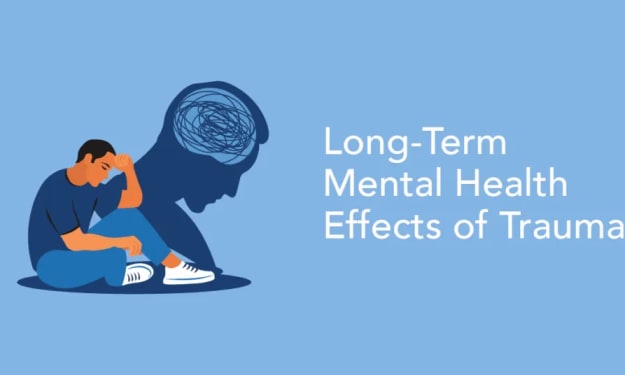
How does trauma affect mental health, and through what mechanisms can healing take place?
Answer: Trauma is perhaps the most forceful influence affecting a person's emotional and mental well-being. Not only is it limited to those devastating occurrences—e.g., natural disasters, violence, accidents—but to those more insidious, chronic experiences, e.g., repeated exposure to instability, chronic stress, neglect. The effect of trauma is not a one-size-fits-all situation; it is different based on many factors including the nature of the event, the age of the individual, the support network, and available resources. Yet, what unites traumatic events is the way they can overtake our resilience and alter our perception of ourselves, others, and the world. Having an understanding of how trauma impacts mental health, and the way to become on the road to recovery, is essential to foster resilience and healing.
By Naveen Garg5 months ago in Education
Was Alexander the great really that great?
Order, order! Who do we have on the stand today? Alexander... the Great, eh? Well, what’s so great about him? Your honor, the better question is, what's not great about him? He was the King of Macedon and considered a living demigod by Egyptians and Greeks alike. He conquered Persia when it was one of Earth's largest empires. And he was a thoughtful student of Aristotle, creative enough to untie the impossibly tight Gordian knot by cutting it in half. The Gordian knot is a myth— just like the countless other stories invented to enhance Alexander’s legend!
By Munesh Yadavabout 12 hours ago in Education
Taher Saifuddin: Transforming Toronto’s Classrooms with Inclusive and Future-Focused Education
In the heart of Canada’s most diverse city, Toronto educator Taher Saifuddin is quietly leading a transformation in the way learning is delivered, measured, and experienced. With over two decades of experience, Taher is recognized for his dynamic role in teaching, academic leadership, and digital innovation across Toronto’s private and independent schools.
By Dena Falken Esq6 days ago in Education
Silver Screen Magic with Mae West
American actress and singer Mae West became a popular film actress during the Great Depression. She started entertaining in vaudeville, then performed on Broadway, and finally went to Hollywood. She signed up with Paramount Pictures and made her debut in the 1932 film “Night After Night.” She also starred in musicals, comedies, and crime dramas. The American Film Institute named her one of the best classic Hollywood actresses.
By Rasma Raisters6 days ago in Geeks


Comments
There are no comments for this story
Be the first to respond and start the conversation.